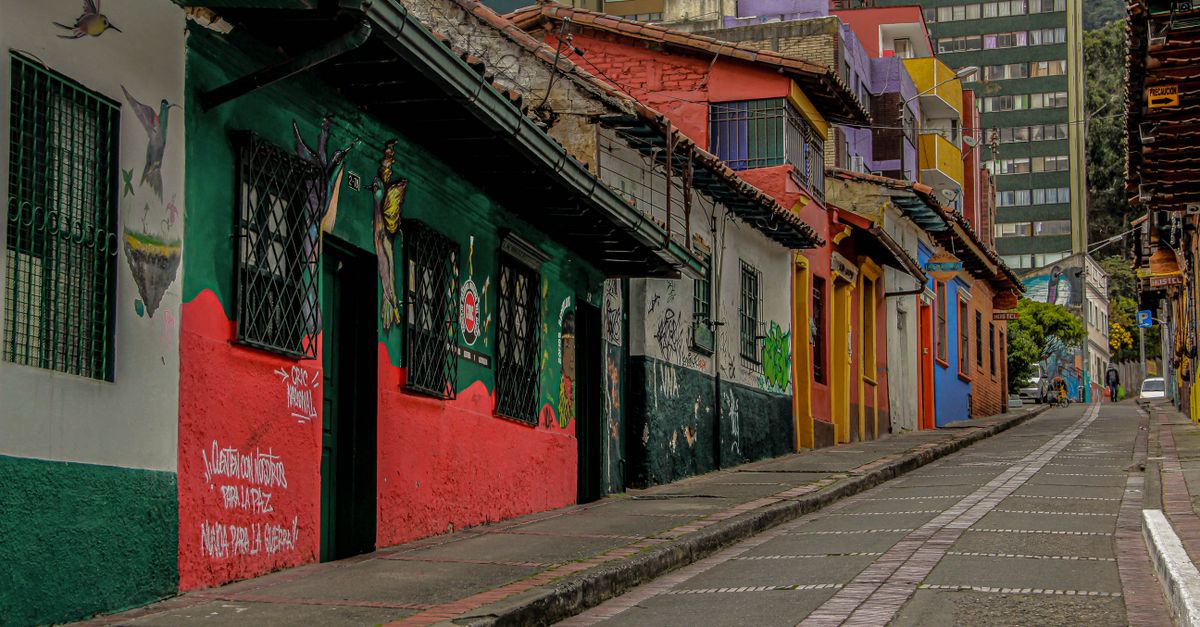
Photo: by Rodolfo Torres Bermudez on Pexels
How the earthquake in Colombia affected Russian travelers
After a strong tremor in Colombia in August, Russian tourists were unharmed and didn’t reach out to tour operators. The reason is the country’s modest popularity among Russian travelers and the independent style of their trips.
Earthquake in Colombia: what happened?
On 10 August a powerful seismic event was recorded in central Colombia. International seismological services reported a magnitude of about 7.4 on the Richter scale. The epicenter lay a few dozen kilometres from a coastal city, and the hypocenter was roughly a hundred metres deep. The shaking was felt in several large metropolises, including the capital and major southern cities.
Russian tourists in the midst of the event
Even though the tremor was noticeable in a number of settlements, Russian visitors who were in the country reported no injuries or other issues. Tour operators serving Russian‑speaking clients received no calls for assistance or emergency support. That’s because Colombia remains a niche destination for Russian tourists.
Why so few Russians travel to Colombia?
- No direct flights – getting from Russia to Colombia requires at least one transfer, often in Europe or the United States. The extra leg lengthens the journey and pushes the price up.
- Scarce organized tours – Russian tour operators hardly put together group programmes for this country. Most travelers plan the trip themselves, picking routes, accommodation and transport.
- Low visibility – Colombia appears less often in promotional materials and guidebooks than more popular Latin‑American spots.
Photo: by Hany Nafady on Pexels
These factors keep the flow of Russian visitors relatively small, which in turn means few calls to tour operators when emergencies arise.
Comparison with other seismic events
A similar pattern was observed after the June earthquake in neighboring Venezuela and the July tremors on Japan’s Kyushu island. In both cases Russian tour operators also recorded no client requests. The reason is the same: the affected regions are not part of the routes Russian travelers usually choose.
What travelers planning a trip to Colombia should know
- Follow the news – after a strong quake local authorities typically publish information about the impacted areas and give safety advice.
- Insurance – even if you head to a lesser‑known spot, a medical policy that covers natural disasters is worth having.
- Contact details – write down the numbers of local emergency services and the Russian embassy in Brazil (the accredited mission that serves Colombia).
- Flexible itinerary – be ready to tweak your plans if restrictions appear in the regions you intended to visit.
How the local authorities responded
Colombian officials acted quickly: they reported building damage and the number of casualties. Damage assessment and the next steps for restoring infrastructure are still underway. In the larger cities where the quake was felt, inspections of structures and evacuation recommendations were carried out.
Take‑aways for Russian travelers
There is currently no evidence that the Colombian earthquake caused any problems for Russian tourists. The country’s low profile among Russian‑speaking audiences and the independent nature of most trips explain the lack of operator inquiries. Still, anyone heading to Colombia should keep basic precautions in mind: monitor official sources, have insurance, and stay ready to adjust the route if needed.
Practical tip
If you’re already on the ground, keep a copy of your passport, insurance policy and embassy contacts handy. Should an emergency arise, let the local services know where you are and, if necessary, get in touch with your insurance agent. These simple steps can cut the risk and make the journey safer.
Based on materials from: trn-news.ru.
Ready to go to Colombia?
Sign up and find cheap flights right in the chat with our bot.