Fontainebleau Forest on Fire: How the Blaze Is Changing Tourists' Plans Near Paris
In July 2024 a massive fire broke out in the famous Fontainebleau forest, scorching almost 800 hectares. Find out how the situation has affected transport routes, what measures are being taken and what travelers in the Île‑de‑France region should keep in mind.
Fire in the Heart of the French Forest
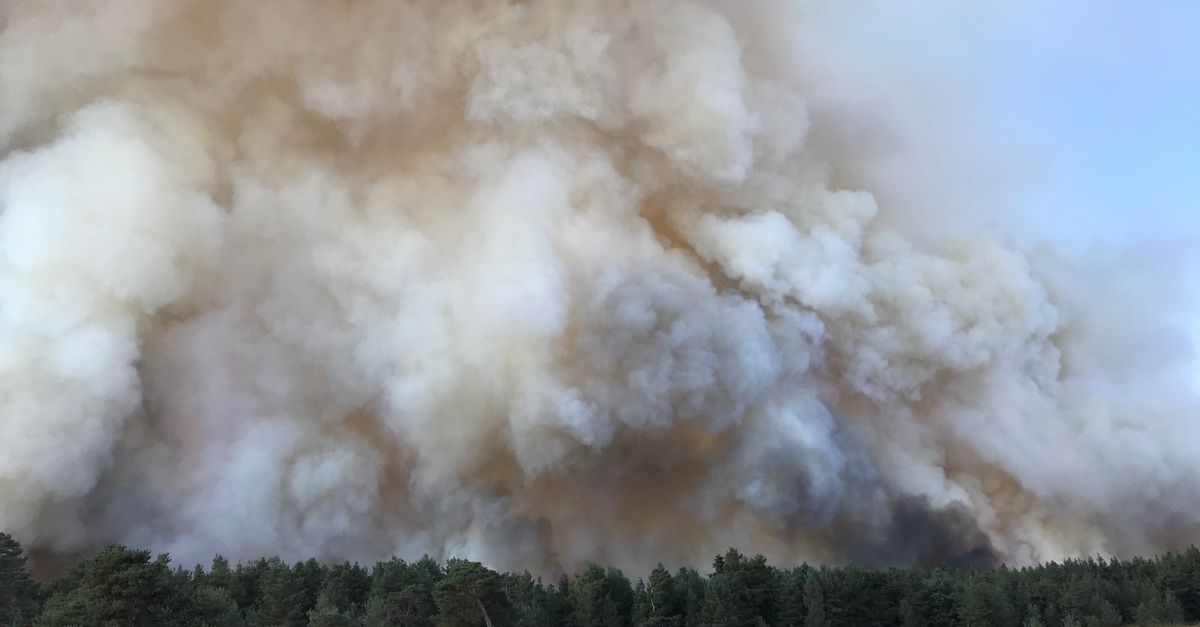
12 July in the Fontainebleau massif, located in the shadow of Paris, the biggest forest fire of the summer ignited. Within a few hours the blaze spread to almost 800 hectares, and a column of smoke rose above the canopy, visible from a distance. The mayor called the event unprecedented: fires of this scale have not been recorded in the area's history.
How the Situation Unfolded
Hundreds of specialists and dozens of machines were deployed to fight the fire. For the first time in the Paris region two Canadair aircraft were called in, planes usually reserved for the hotter, drier southern provinces. At night, when the aircraft stopped flying, the fire's area doubled, showing how quickly the flames spread through peat soil that can keep smoldering even after the visible flames die down.
Impact on Local Residents
Official figures say about nine hundred homes were evacuated, yet, fortunately, no one was injured and the buildings escaped the flames. In one village of roughly seven hundred inhabitants, half the population had to be relocated. Experts warn that fully containing the fire could take weeks.
Possible Causes
The interior minister noted that within a kilometre of the hotspots roughly ten separate ignitions were found. That opens two scenarios: deliberate arson or careless handling of fire. According to the official, this summer has seen a rise in intentional burnings – more than forty suspects have been detained over the past few months.
How the Fire Affected Travel
The incident coincided with the start of the upcoming summer holidays and the approach of Bastille Day (14 July). The country's main artery – the A6 motorway linking north and south – was partially closed. Trains departing from Paris's Gare de Lyon were delayed up to eight hours, although by the next morning traffic began to recover. Drivers are advised to check current road conditions, as restrictions can change throughout the day.
What Tourists Should Know in Île‑de‑France
The Château de Fontainebleau, a UNESCO World Heritage site, remains untouched – the fire stayed within the forest. Still, forest access is closed and some tourist trails may be unavailable. When planning a trip, keep in mind:
- Check updates to transport schedules on the official SNCF website; delays and cancellations from Gare de Lyon may persist.
- Monitor road conditions via traffic‑monitoring services, especially if you intend to travel on the A6.
- Take possible entry restrictions around Fontainebleau into account; temporary checkpoints are sometimes set up.
- Stay informed of official fire bulletins, as the situation can change quickly.
How to Prepare for Your Trip
If Fontainebleau is on your itinerary, consider alternative sights. There are other historic sites nearby that remain open and pose no access risk. When traveling by public transport, aim for early departures to reduce the chance of delays.
Final Thoughts
The Fontainebleau fire is a stark reminder that natural disasters can affect daily life even close to a megacity. Despite the scale of the blaze, French services mobilised quickly, and the main tourist attractions stay open. For travelers, the key is flexibility and constant monitoring of official sources. That way you can enjoy Île‑de‑France without falling into the trap of sudden road or route closures.
Based on materials from: trn-news.ru.
Ready to go to France?
Sign up and find cheap flights right in the chat with our bot.