
Photo: by ROMAN ODINTSOV on Pexels
Georgia launches criminal case over fake accusations of mistreating Russian tourists
Georgia's State Security Service opened a sabotage‑related investigation after social‑media posts alleged mistreatment of Russian guests. The probe is looking into the sources, organizers and funding of the campaign.
What sparked the investigation
In early August the State Security Service (SSS) of Georgia announced the start of a criminal proceeding linked to social‑media posts that supposedly described poor treatment of visitors from Russia. According to official data, a handful of X accounts claimed that Russian guests were left alone in the forest and that their restaurant orders were deliberately ruined. Such messages could hurt the country’s reputation, especially given how much it relies on tourism revenue.
How the dubious posts appeared
The SSS says the posts were spread through fake profiles, then “amplified” by a large foreign online outlet with a multi‑million audience. The outlet’s name wasn’t disclosed. Observers note that the fake accounts were registered from within Russia, yet their bios used Georgian names written in Cyrillic – an odd mix for local users. Screenshots with the accusations had earlier surfaced on a Telegram channel that is linked to Russian security services.
What the SSS is checking
The case is filed under article 318 of Georgia’s Criminal Code, which allows up to four years in prison for sabotage. As part of the probe, specialists plan to determine:
- who created and ran the fake profiles;
- which individuals or organisations financed the information campaign;
- which channels were used to spread it. It’s a typical anti‑disinformation move, with the state trying to trace both the technical and financial sides of the operation.
Different points of view
Georgian observers point out that registering accounts in Russia and using Cyrillic‑written Georgian names isn’t normal for local users, suggesting outside involvement. The SSS, for its part, stresses that the campaign was coordinated abroad and received support inside the country, deliberately harming state interests.
From the Russian side, diplomatic representative Mikhail Kalugin said incidents like this are often used as a pressure tool by the West against Georgia. He declined to comment on the investigation’s details, but underlined that claims of “Western” manipulation frequently pop up in similar contexts.
What’s next?
The official investigation has only just begun, and an independent verification of both sides’ statements is difficult. Still, opening a criminal case signals that Georgian authorities take the disinformation threat seriously and are ready to hold accountable anyone trying to tarnish the nation’s image.
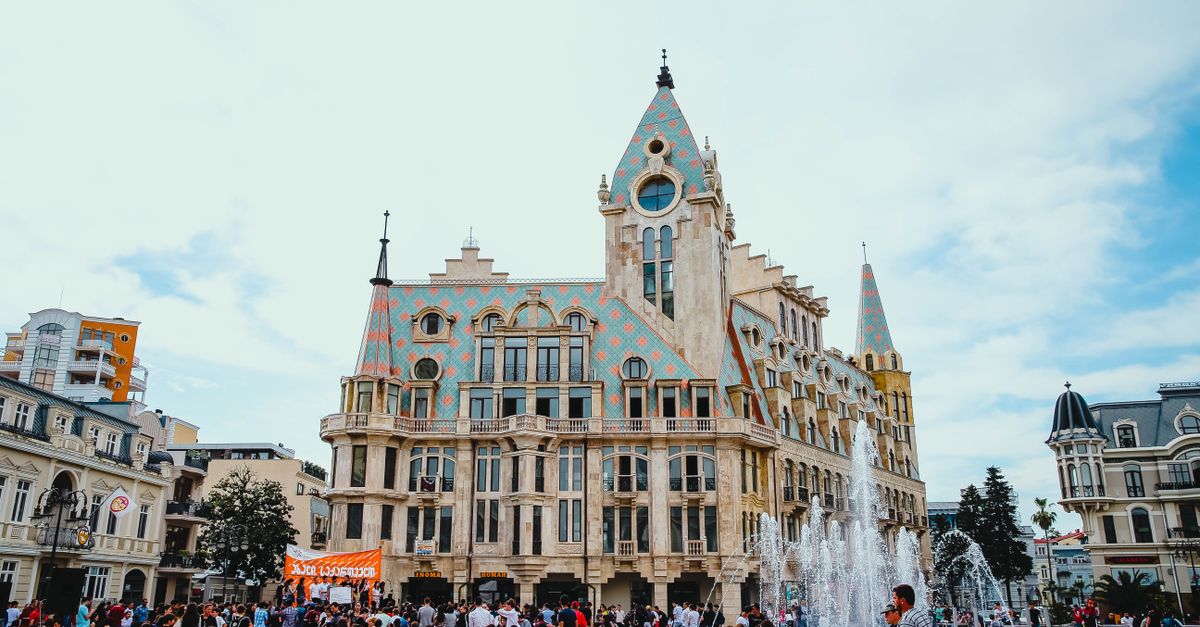
For travelers, this means that if a dispute arises it’s wiser to turn to official sources and trusted information channels rather than rely on anonymous social‑media posts. Georgia remains a popular destination, and its tourism infrastructure continues to operate normally despite the rumors.
How to avoid such traps
- Check where a news item originates; official government websites usually publish clarifications;
- Pay attention to the language and style of accounts: an odd mix of names and alphabets can hint at a fake;
- Cross‑compare information from multiple sources, especially when serious accusations are involved.
By watching how information spreads, you can not only protect yourself from misunderstandings but also help limit the impact of fake campaigns that can actually damage a country’s reputation.
Based on materials from: trn-news.ru.
Ready to go to Georgia?
Sign up and find cheap flights right in the chat with our bot.