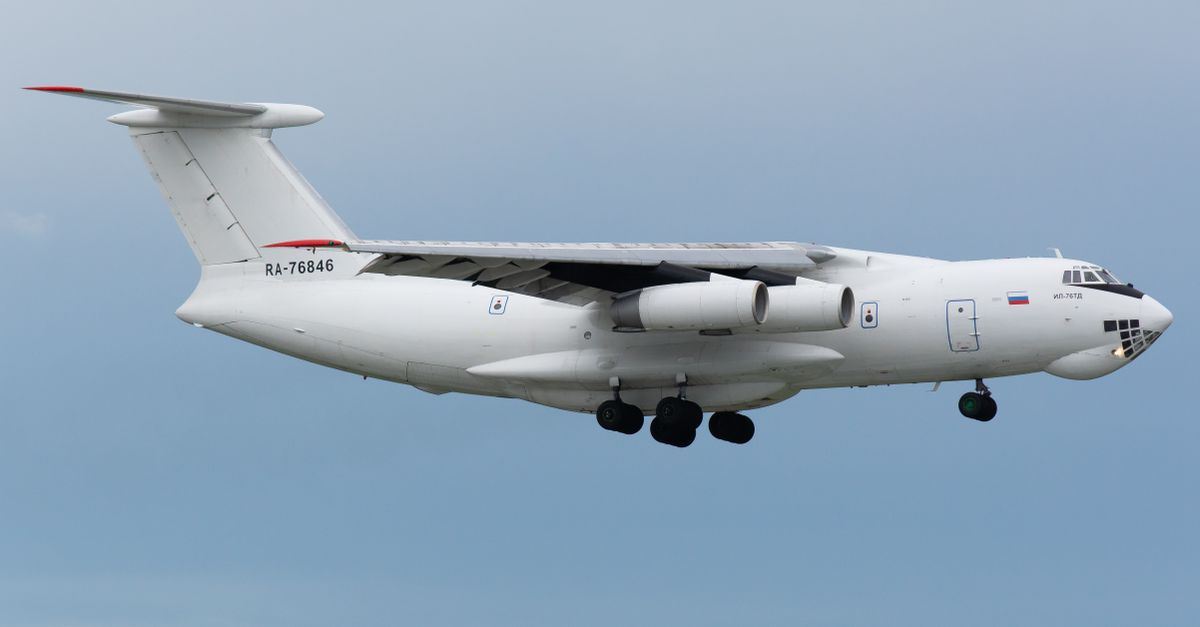
Photo: by Go Journal on Pexels
India expands regional flights: new turboprop Il‑114s
At the INNOPROM India exhibition in New Delhi, the Russian manufacturer announced a delivery of 85 Il‑114‑300 turboprop aircraft to Indian airlines, a move that could reshape the country’s domestic flight map.
Why regional aviation matters for India
India spans a huge area and its terrain varies wildly. Mountains, deserts, thick jungles and remote islands often make road travel slow and pricey. In that setting, small planes that can take off and land on short strips become the key to linking far‑flung regions. For travelers it means reaching places where a bus ride would take hours and a train would take days.
Il‑114‑300: what kind of aircraft is it?
The Il‑114 is a Soviet‑era design that has been modernised in recent years. The latest version, called the Il‑114‑300, carries more powerful turboprop engines, upgraded avionics and higher reliability. It seats only a handful of passengers, which keeps operating costs low on short routes with modest demand. Its ability to work with limited infrastructure – short runways, minimal ground support – is especially valuable in India’s remote corners.
How the deal was struck
At the international INNOPROM India show in New Delhi, representatives of United Aircraft Corporation (UAC) signed two documents with Indian partners. The first, a letter of intent, covers the delivery of fifty aircraft to Pinnacle Air. The second, a memorandum of understanding, provides for thirty‑five aircraft for Sleek Aviation. In total, eighty‑five new turboprop airliners are slated for delivery in the coming years.
What this means for travel inside the country?
For most tourists planning trips across India, trains and buses remain the mainstay. Yet they run on fixed schedules and serve only the major corridors. New regional flights will open up lesser‑known but equally interesting spots: mountain villages, coastal fishing hamlets, cultural hubs that sit off the beaten path.
Benefits of the new routes
- Shorter travel times. A hop on a small plane between two modest airports can take half an hour to an hour, whereas ground transport may require several hours.
- More flexibility. Because the Il‑114‑300 can use short runways, airlines will be able to launch services from airports that were previously out of reach.
- Tourism boost for remote areas. Locals will reach big cities faster, and visitors will discover new places without long overland journeys.
How to prepare for a regional flight?
Since these routes are brand‑new, keep a few practical points in mind:
- Book early. In the first phase the number of flights will be limited, so plan ahead and purchase tickets sooner rather than later.
- Stay flexible with timing. Small carriers may shift departure times according to weather, especially in mountainous zones.
- Watch baggage limits. Turboprop airliners often enforce stricter weight and size rules than the larger carriers.
- Check airport facilities. Some tiny airports may only offer basic services – no restaurants, limited ground transport to the town.
How does this fit into the broader picture of Indian aviation?
India’s aviation market is growing fast, but the focus on large international hubs leaves “white spots” in the regional network. The government has been backing programmes to upgrade small airports and encourage regional carriers for several years now. Supplying Il‑114‑300s fits neatly into that strategy: the new planes will help fill the gaps, and local airlines get modern equipment without having to buy expensive wide‑body jets.
What’s next?
The signed papers only capture the parties’ intentions. Actual deliveries and entry into service will depend on certification, crew training and infrastructure tweaks. Still, you can already see Indian airlines gearing up their fleets and travelers anticipating fresh options.
Things to watch in the near future
- Announcements of new routes. Keep an eye on airline news – schedules often appear as soon as the aircraft are received.
- Airport upgrades. Some small fields may undergo renovation to accommodate turboprop jets.
- Seasonal factors. During the monsoon season certain regions become harder to reach, so plan trips with the weather in mind.
Bottom line: the arrival of 85 Il‑114‑300s promises to redraw India’s internal flight map, making it more flexible and accessible. For tourists it offers a chance to see the country from a new angle, bypassing long road trips, and for residents it means quicker links to economic and cultural centres. Details are still being ironed out, but regional aviation in India is clearly on the brink of a new phase.

Based on materials from: frequentflyers.ru.
Ready to go to India?
Sign up and find cheap flights right in the chat with our bot.