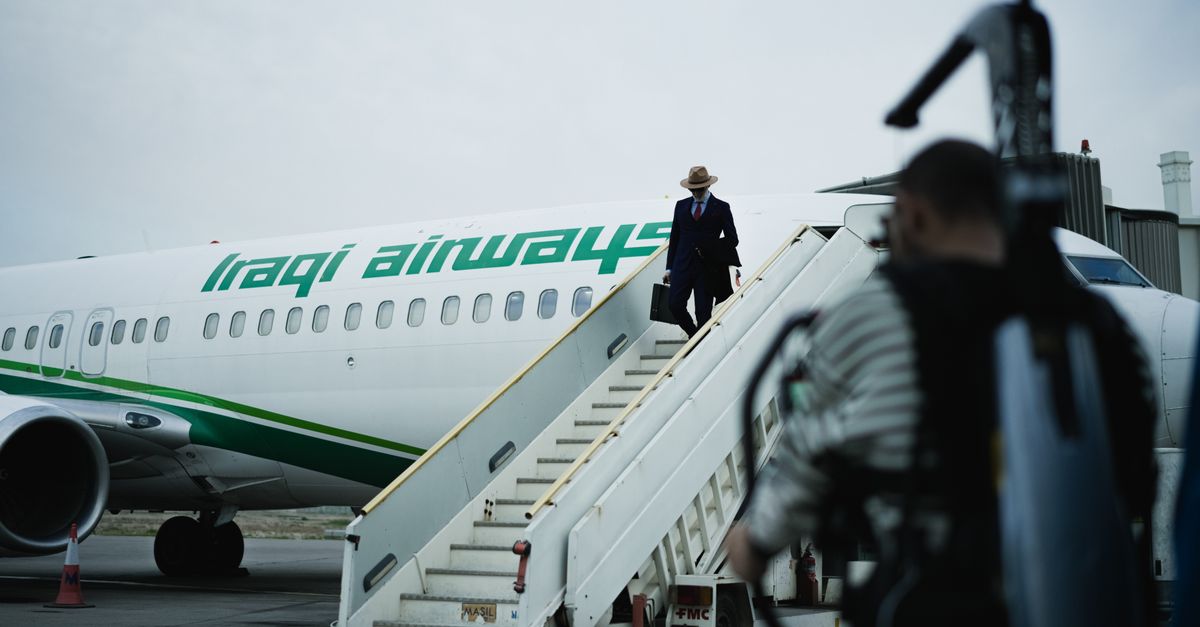
Photo: by AMORIE SAM on Pexels
Iraq Opens Western Airspace to Civil Aviation After Decade-Long Ban
After almost ten years of the western part of Iraq being reserved for military use, the country has handed those zones over to civil aviation. This creates new routes, shortens flights and changes the rules for flying over Iraq.
Why the western part of Iraq was closed to civilian flights?
Since 2016‑2017 a large swath of airspace over Iraq’s west has been used exclusively for military operations. The restrictions were put in place as the conflict lingered and authorities needed to keep a tight grip on strategically sensitive areas. As a result, most commercial airlines steered clear of Iraq, and transit flights over the country were reduced to a bare minimum.
What has changed?
At the start of 2024 the Iraqi Ministry of Transport announced that the reserved zones would be transferred to the civil aviation authorities. According to Ihab Saad Karim, director of the State Company for Airport and Air Navigation Management, the airspace stretching north‑south from the province that borders Iran down to the Anbar desert will no longer serve military purposes. It is now under civilian control, allowing air traffic controllers to plot new routes through western Iraq.
How will this affect flights?
- Shorter distances – the new corridors let airlines fly more direct lines, avoiding the long detours that used to skirt Iraq.
- More transit flights – the reduced mileage makes Iraq attractive to carriers looking to save fuel and time.
- Higher navigation fees – every flight that uses Iraqi airspace generates revenue for the state, a welcome boost as the economy rebuilds.
Photo: by Mark Stebnicki on Pexels
Economists quoted in international outlets note that lower operating costs from shorter routes could become a tangible advantage for airlines that serve the region.
What still needs to be done?
Before the zones disappear completely from aeronautical charts, a series of technical and regulatory steps must be finished. The Ministry of Transport is working with the relevant agencies to formally erase the military areas from official maps and databases. The process includes:
- Updating aeronautical charts.
- Retraining controllers and ground staff.
- Coordinating new procedures with the international bodies that oversee flight safety.
Timing with the withdrawal of international forces
The opening of the western corridors comes as the multinational coalition plans to finish its presence in Iraq by the end of September 2026. Security expert Fadel Abu Ragif sees the timing as a signal that Iraq is ready to manage its own airspace and keep it safe.
Remaining challenges for Iraqi aviation
Even with the new possibilities, Iraq’s flag carrier, Iraqi Airways, still faces hurdles. Since 2015 the airline has been banned from European Union airspace over safety concerns. The western opening does not solve all the sector’s problems. The country continues to work on infrastructure upgrades, service quality improvements and meeting international standards.
What this means for travelers?
For passengers whose itineraries cross Iraq, the new corridors could mean shorter travel times and, potentially, cheaper tickets. However, most international airlines have not yet added Iraq to their regular schedules, so direct flights will remain scarce. Still, the rise in transit traffic raises the odds of seeing Iraq appear on major carriers’ timetables in the near future.
How to prepare for a flight over Iraq?
- Stay updated – the Ministry of Transport publishes new route information and chart changes on its official channels.
- Check airline status – some carriers may already offer flights with a stopover in Iraq, but schedules can shift.
- Keep the geopolitical picture in mind – while airspace safety is improving, it’s wise to follow current news about the region.
In short, the opening of Iraq’s western airspace is a significant step toward integrating the country into the global aviation network. It promises economic gains, more efficient routes and fresh opportunities for the national fleet. Security questions and compliance issues remain, but the overall trend points toward growth and modernization.
Based on materials from: trn-news.ru.
Ready to go to Iraq?
Sign up and find cheap flights right in the chat with our bot.