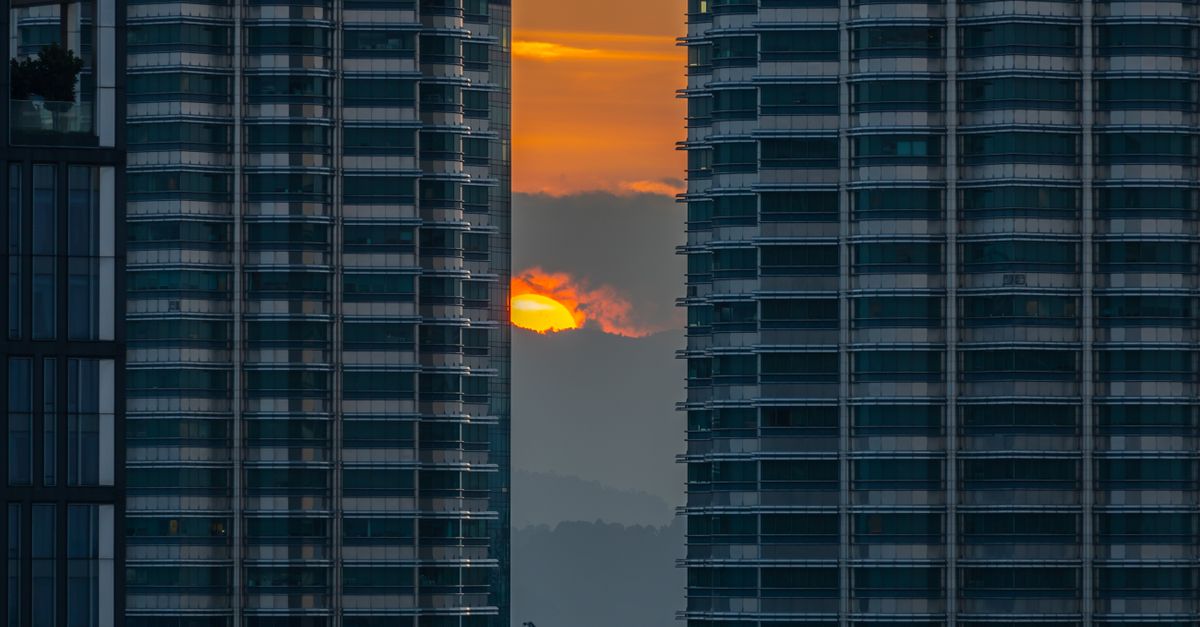
Photo: by Sergey Guk on Pexels
Kuala Lumpur: What to See and How to Travel Comfortably in Malaysia’s Capital
Kuala Lumpur blends modern architecture, a multicultural vibe and convenient transport, making it an ideal base for exploring Malaysia.
Overview
Kuala Lumpur is a vibrant megacity where skyscrapers sit alongside traditional markets and cultural diversity can be felt in every neighbourhood. The city is the political, economic and cultural hub of the country, as well as a major transport gateway for Southeast Asia. Thanks to its well‑developed infrastructure and a relatively compact centre, it’s easy to get your bearings even on the first day.
Getting There
By Plane
Kuala Lumpur International Airport (KLIA) receives flights from most major world cities. After landing you can take the airport express train, which links the terminal with the central railway station in about half an hour.
By Train and Bus
International and regional trains, as well as intercity buses, run regularly from neighbouring countries and regions into Kuala Lumpur. The main bus terminals are located within the city, providing easy connections to any part of the metropolis.
Getting Around the City
MRT and LRT
The metro system covers most central districts, including the key tourist zones. Trains run frequently and tickets can be bought at machines or via mobile apps.
Buses and Taxis
The bus network reaches both the city centre and outlying districts. Pay attention to the colour coding of the lines so you don’t get confused. Taxis and ride‑sharing services operate 24/7, but it’s advisable to use official stands or apps to avoid misunderstandings.
Bicycles and Walking
In recent years several bike lanes have appeared, especially in park areas and along the river. Walking through the main streets lets you feel the city’s rhythm and discover hidden corners.
What to See
Modern Attractions
- Petronas Twin Towers – the city’s iconic twin skyscrapers linked by a sky bridge, offering panoramic views of the metropolis.
- Kuala Lumpur Tower – a complex that includes an observation deck and an arts centre, often hosting exhibitions by local artists.
Cultural and Historical Sites
- Colonial Quarter – a district with well‑preserved British‑era buildings showcasing Victorian architectural styles.
- Museums – Kuala Lumpur boasts several large museums dedicated to the nation’s history, art and natural heritage, giving insight into Malaysia’s centuries‑old legacy.
- Temples and Mosques – Buddhist, Hindu and Islamic places of worship coexist in the city, reflecting its multicultural character.
Natural Areas
- City Parks – large green spaces in the centre and on the outskirts where you can escape the urban hustle, stroll around lakes and enjoy shaded avenues.
- Nearby Natural Attractions – within an hour’s drive you’ll find famous limestone caves that house Hindu shrines, as well as protected reserves with tropical rainforests.
Food Experience
Kuala Lumpur is famous for its street food and restaurants offering Malay, Chinese, Indian and Western cuisines. At markets and small eateries you can try:
- Fragrant chicken rice served with chili sauce;
- Fried noodles with seafood;
- Sweet desserts made from coconut and sticky rice. If you prefer a more formal setting, the central business districts host several international chains and hotel restaurants serving dishes from a variety of cuisines.
Practical Tips
- Visa and documents: most tourists can obtain a visa on arrival or apply for an e‑visa in advance. Check the latest requirements before you travel.
- Season: Kuala Lumpur has a tropical climate with high humidity and temperatures around 27‑32 °C year‑round. The rainy season usually runs from May to October, but showers are often brief.
- Clothing: lightweight, breathable cotton or linen will keep you comfortable. When visiting religious sites, cover shoulders and knees.
- Connectivity: local SIM cards are widely available and can be purchased at the airport or major electronics stores.
- Safety: crime levels in tourist areas are relatively low, but, as in any big city, use common sense, especially at night.
Day Trips from the City
If you have time, consider short excursions beyond Kuala Lumpur:
- Highland Areas: a few hours’ drive brings you to scenic hills where traditional villages and fresh mountain air await.
- Coastal Areas: although Kuala Lumpur isn’t on the sea, several popular beach resorts are reachable within a reasonable travel time for a relaxing break.
- Historic Towns: nearby small towns feature colonial architecture and museums that tell the early story of Malaysia’s development.
Summary
Kuala Lumpur is a city where modernity intertwines with tradition, and its cultural diversity makes every visit unique. A well‑developed transport network, a wealth of attractions and a vibrant food scene allow you to enjoy a quick stopover or a longer stay, getting the most out of Malaysia’s capital.
Ready to go to Malaysia?
Sign up and find cheap flights right in the chat with our bot.