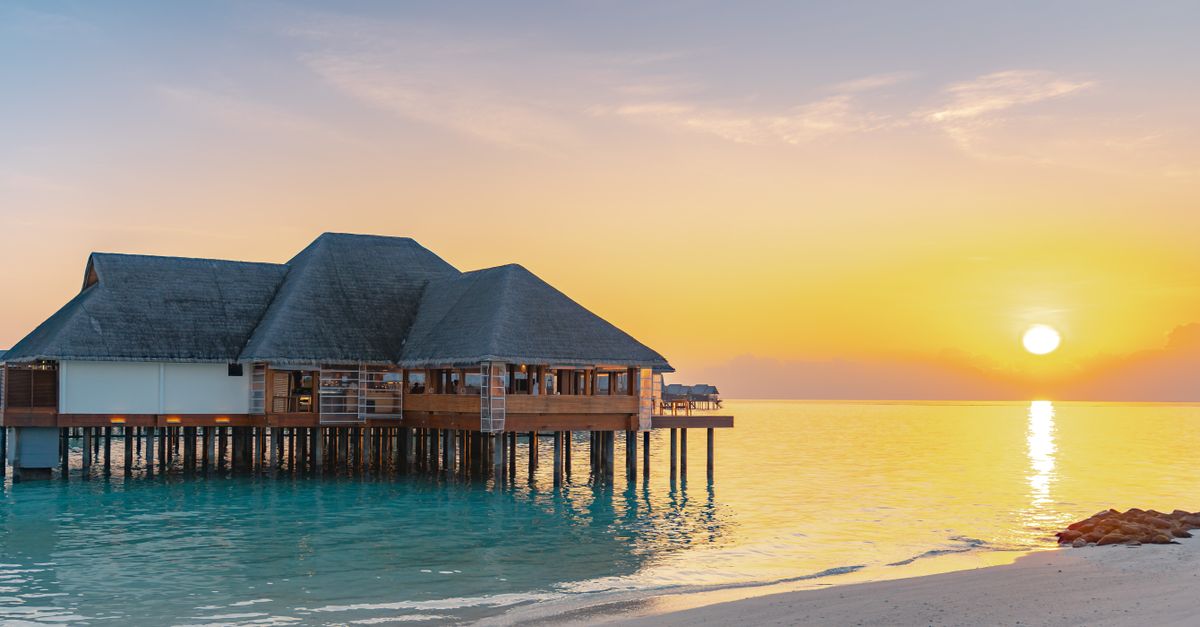
Photo: by Asad Photo Maldives on Pexels
Maldives: Growing Russian Tourist Flow and How to Guard Against Dengue Fever
Russian tourists are choosing the Maldives more often, but in this tropical paradise the risk of dengue‑carrying mosquito bites is rising. Find out why the visitor numbers are climbing and what simple steps can keep the illness at bay.
Why the Maldives Is Becoming a Favourite Spot for Russians
In recent years the archipelago has turned into one of the top destinations for Russian travellers. Official figures show that in 2025 almost three hundred thousand Russians set foot on the islands, and this year looks set to beat that record. The surge comes from a mix of affordable prices, a well‑developed infrastructure and marketing campaigns aimed squarely at the Russian market. Add to that a long beach‑season: while Europe shivers, the Indian Ocean stays warm and sunny almost year‑round.
What You Need to Know About Dengue Fever
More guests in the tropics naturally means a higher chance of running into local mosquitoes. The Maldives is home to two Aedes species – aegypti and albopictus – both capable of passing the dengue virus. The illness shows up with high fever, pounding headache, nausea, vomiting, muscle aches and a distinctive rash. The incubation period can stretch from a few days up to two weeks, so symptoms often appear after you’ve already flown home.
It’s easy to mistake dengue for a regular cold or flu, which is why you should tell any doctor about recent trips to endemic areas as soon as the first signs appear. That tip speeds up a correct diagnosis and gets treatment started on time.
How to Lower the Risk of Mosquito Bites
- Avoid standing water. Mosquitoes lay eggs in puddles, reservoirs and even tiny cups on balconies. Keep such spots dry whenever you can.
- Wear covered clothing. Light trousers and long‑sleeved shirts, especially during early mornings and evenings when mosquitoes are most active, cut the bite risk dramatically.
- Use repellents. Products containing DEET, picaridin or certain essential oils work well. Apply them to exposed skin and to clothing.
- Mosquito nets and screens. Hotels and guesthouses often fit nets over beds and windows. If you’re heading for a more secluded spot, bring your own net.
- Mind the activity hours. In the Maldives the disease‑carrying mosquitoes are busiest at dusk and in the early dawn. During those windows stay indoors or rely on repellents.
These straightforward steps keep the chance of infection to a minimum, even if the number of mosquitoes around hotels and terraces seems high.
What to Do If Symptoms Appear
If you develop a high temperature, severe headache, nausea or a rash, see a doctor right away. In severe cases – intense abdominal pain, persistent vomiting, bleeding or altered consciousness – emergency medical care is required, possibly even hospitalization. The Maldives has a handful of clinics that can provide the needed treatment, but if your condition worsens it’s best to call an ambulance.
Pros and Cons of Traveling Now
Pros
- Wide range of tours. The influx of tourists has spurred more varied offers, including package tours at attractive prices.
- Developed infrastructure. Growing popularity has pushed hotels and services to raise their standards, making the stay comfortable for families with children.
- Seasonal climate. Warm weather and crystal‑clear sea are available almost all year, a real plus for those chasing sunshine during cold months.
Cons
- Higher mosquito activity. More visitors mean larger mosquito populations, especially near hotels and tourist zones.
- Seasonal disease spikes. While there’s no full‑blown epidemic, isolated dengue cases are recorded each year, and numbers can creep up during the summer.
Practical Pre‑Trip Checklist
- Pack repellents. Buy a proven formula a few days before you leave.
- Bring light, covered clothing. Thin long‑leg pants and shirts won’t weigh you down but will shield you from bites.
- Confirm mosquito nets at your accommodation. If they’re missing, ask the host whether they can be installed.
- Save local medical contacts. Write down the emergency number and the address of the nearest clinic.
- Tell your doctor about the upcoming trip. If you develop cold‑like symptoms after you return, mention your recent stay in the tropics right away.
Bottom Line
The Maldives continues to draw more and more Russian tourists, and the record‑breaking visitor numbers confirm the trend. At the same time, the risk of dengue remains real but fully manageable. Simple preventive measures – from repellents to covered clothing – let you enjoy beach relaxation without unnecessary worry. So if a tropical holiday is on your agenda, the Maldives still makes a solid choice: bright sun, crystal water and, most importantly, a sensible approach to mosquito protection keeps illness at bay.
Based on materials from: trn-news.ru, atorus.ru.
Ready to fly to Maldives?
Sign up and find cheap flights right in the chat with our bot.