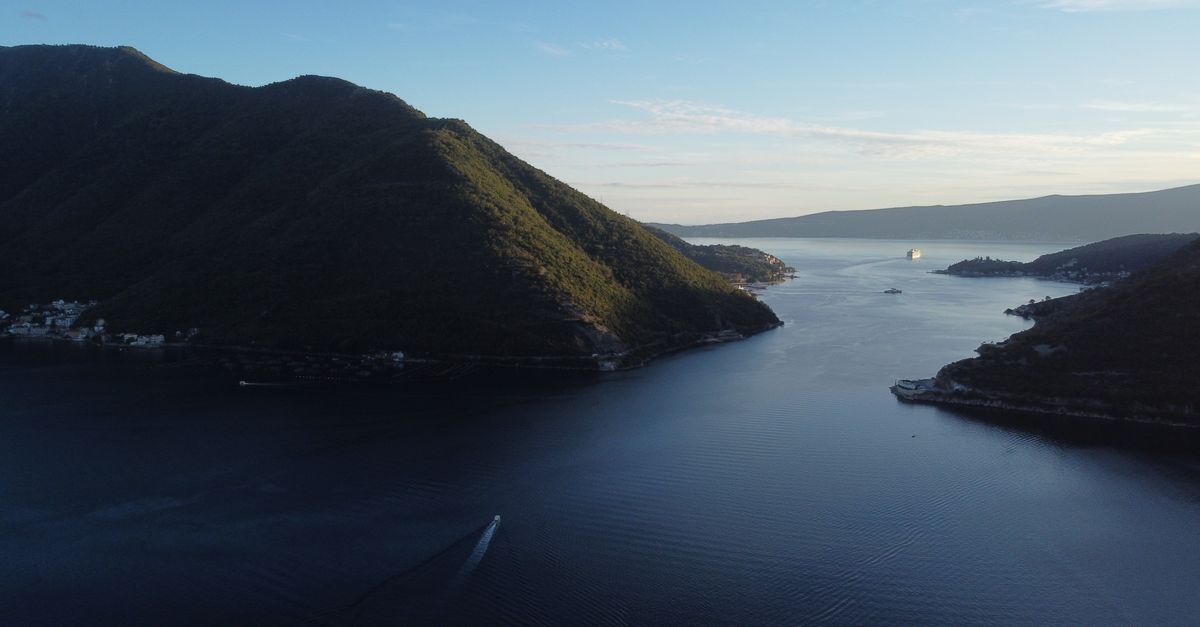
Photo: by Julien Goettelmann on Pexels
Montenegro prepares visa regime for Russians and Belarusians: what tourists can expect
Montenegro, aiming for EU membership, plans to introduce visas for Russian and Belarusian citizens as early as this autumn. How entry rules will change, where to apply for a visa and what the impact on tourism will be – read the article.
Why visa‑free rules are changing
Since 2008, citizens of Russia and Belarus could visit Montenegro without a visa, just by showing a passport. That agreement made the country one of the few in Europe you could fly to without paperwork, and it helped the Russian tourist flow grow for almost two decades.
But Montenegro has officially said it wants to align its visa policy with EU requirements. The country is negotiating accession to the EU, and Brussels demands that the list of visa‑free states meet European standards. The plan is to finish full harmonisation by the end of 2027, and each yearly round will drop at least one existing visa‑free agreement. Russia and Belarus are first on the list.
What the visa‑application process will look like
If the decision takes effect, visas will be issued through the international operator VFS Global, which already handles most Schengen countries. In early summer, visa centres opened in eight Russian cities – from Moscow to Arkhangelsk. At the moment they mainly process applications from Central Asian nationals and Russians planning longer stays (30 to 90 days). When the new rules start, these centres will probably become the main point of submission for Russian tourists.
The fee is set at about 35 euros and is the same for every category. Formal requirements stay the same: a valid passport, no invitation or booking confirmation needed yet. The big change is that a visa will be required even for stays up to thirty days.
What will change for tourists and businesses
Tourism accounts for a sizable share of Montenegro’s GDP – roughly a quarter. According to the national statistics office, in 2025 Russian guests provided more than fifteen percent of all foreign‑tourist overnight stays, second only to Serbian visitors. Over twenty years, Russians have poured about two billion euros into the country, mainly into real estate and tourism infrastructure, creating more than nineteen thousand projects.
Introducing a visa regime will hit the private accommodation sector – apartments and villas – where Russian tourists traditionally supplied most of the occupancy. The flow of new guests may shrink, especially if the visa process proves cumbersome or slow. For property owners who already have a steady clientele, the visa hurdle will be a new reality that they’ll have to adapt to.
How it will affect the country’s accessibility
Until now the main obstacle for most visitors was logistics: there are no direct flights to Montenegro, so travellers had to connect through neighboring countries. According to the vice‑president of the tourism association, this factor already limited mass arrivals. Therefore, even without visas, the tourist flow stayed moderate.
Nevertheless, Montenegro enjoys a loyal base of repeat visitors, many of whom own property along the coast. For them the visa application will be an extra step, but it is unlikely to completely deter them from coming.
What to do if you’re planning a trip now
While the changes are not yet in force, Russians and Belarusians can still enter visa‑free for stays up to thirty days. That “window” stays open until autumn, so anyone who has been postponing a trip should take advantage of it. When planning, check the latest visa‑requirement information and, if needed, gather the documents for the nearest visa centre.
If a visa regime is introduced, the procedure will resemble a Schengen application: fill an online form, provide biometric data and pay the fee. It’s wise to book an appointment at the visa centre early, as demand could rise.
Outlook for tourism development in Montenegro
The country keeps pushing for EU membership, targeting accession in 2028. As part of that process it is ready to make compromises, even if they temporarily reduce the flow of Russian and Belarusian tourists. Experts say that in the long run, harmonising visa policy could open new markets that meet EU standards and strengthen Montenegro’s position as a European tourist destination.
For travellers who can handle a bit of bureaucracy, Montenegro remains attractive: scenic mountains, crystal‑clear Adriatic waters and a unique blend of Eastern European and Mediterranean culture. The key is to follow official announcements and plan with possible visa changes in mind.
Information is current at the time of writing; details may change depending on government and international decisions.
Based on materials from: trn-news.ru.
Ready to fly to Montenegro?
Sign up and find cheap flights right in the chat with our bot.