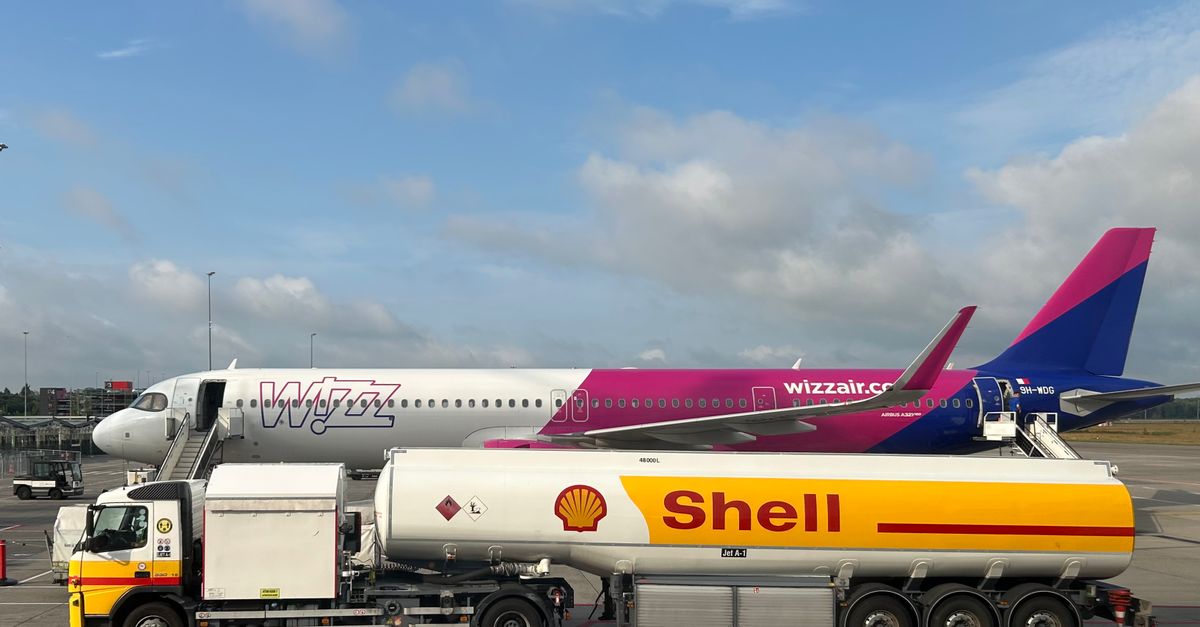
Photo: by Joe Ambrogio on Pexels
Eco-friendly fuel in Russian aviation: what will change for travelers
Aeroflot and Gazprom Neft have announced a joint project to produce sustainable aviation fuel in Russia. We'll look at how the new fuels could affect flight comfort and the environment.
Why aviation is hunting for cleaner fuel
Aircraft have long been one of the most energy‑hungry modes of transport. CO₂ emissions from flights are often likened to driving a car for thousands of kilometres, so the industry is looking for ways to trim its carbon footprint. One of the most talked‑about solutions is swapping conventional kerosene for sustainable alternatives – SAF (Sustainable Aviation Fuel) and LCAF (Low‑Carbon Aviation Fuel). They keep the familiar performance of jet fuel while cutting greenhouse‑gas output dramatically.
What SAF and LCAF actually are
SAF is made from biomass, waste streams or synthetic routes that are considered carbon‑neutral because the CO₂ released on combustion was previously captured by plants. LCAF covers a broader toolbox: carbon capture and storage, use of “green” gas, and other low‑carbon technologies. Both fit into existing engines, which makes rollout relatively painless.
Aeroflot‑Gazprom Neft agreement
Photo: by Stanislav Kondratiev on Pexels
On 30 September, during the RuCORS international aviation‑fuel forum in St Petersburg, Aeroflot and Gazprom Neft signed a pact to develop and use SAF and LCAF in Russia. The scheme will involve all three airlines of the Aeroflot Group – Aeroflot, Rossiya and Pobeda. The partners intend to push forward both the fuel‑production technology and its supply to airline fleets, aiming to make the greener option available on regular routes.
How this will affect passengers
For most travellers the top concerns are safety, punctuality and ticket price. Yet a growing slice of flyers is also watching the environmental impact of their trips. Introducing SAF and LCAF lets airlines claim lower carbon emissions without tinkering with schedules or service levels. Passengers can expect:
- More transparent information about the share of eco‑fuel on each flight;
- Options to offset the remaining emissions through programmes that big carriers are already rolling out;
- Possible ticket‑price rise if green fuel stays pricier than conventional jet fuel, although large‑scale production should eventually stabilise costs.
Development outlook in Russia
The Aeroflot‑Gazprom Neft project is one of the first big steps in the country toward low‑carbon aviation fuel. Its rollout could spark new production facilities, attract investment and create training programmes for specialists. Moreover, a domestic SAF supply would cut reliance on imports – a point that feels especially acute under current geopolitical constraints.
If the state backs the scheme, we could see tax breaks or subsidies similar to those already in place across Europe. Those incentives would speed up output volumes and make green fuel more price‑competitive.
What to keep in mind when planning a trip
- Choose airlines that are part of the project. At the moment those are Aeroflot, Rossiya and Pobeda. Their flights may already contain a share of SAF.
- Watch for environmental labels. Some tickets are marked “carbon‑neutral” – a sign that part of the fuel has been swapped for a cleaner alternative.
- Compare prices and schedules. If a fare is a bit higher but lets you shrink your carbon footprint, it can be a sensible trade‑off.
- Take part in offset programmes. Many carriers let you add a modest amount to your ticket price to fund tree‑planting or renewable‑energy projects.
What changes to expect in the coming years
Green fuel is still in a development phase, but the trend is clear: worldwide airlines are targeting up to 50 % SAF use by mid‑decade. Russia, as a major aviation player, can’t stay on the sidelines. Over the next few years the SAF share in Russian flight‑fuel blends should creep upward, and new airports and terminals will start offering storage and distribution infrastructure.
For travellers this means the menu of “green” options will soon include not just ground transport but also cleaner air routes. You’ll be able to plan trips with both travel time and carbon impact in mind, making holidays a bit more responsible.
Bottom line
The Aeroflot‑Gazprom Neft deal opens a path toward cleaner aviation in Russia. SAF and LCAF will let airlines cut emissions without sacrificing comfort, and passengers will gain the chance to pick more eco‑friendly flights. The rollout is just beginning, but you can already start looking for fuel‑labels, joining offset schemes and supporting initiatives that lower carbon output. Travel becomes not only easier but also cleaner – and that’s worth factoring into your next flight plan.
Based on materials from: frequentflyers.ru.
Ready to go to Russia?
Sign up and find cheap flights right in the chat with our bot.