Ethnographic Tourism in Russia: Khanty‑Mansi and the Sami of Murmansk Oblast
Get to know the traditions of the Khants, Mansi and Sami: from the sacred Ural peaks to the tundra villages of Murmansk region. Practical tips will help you plan a trip to Russia’s indigenous peoples.
Khanty and Mansi: life on the Urals
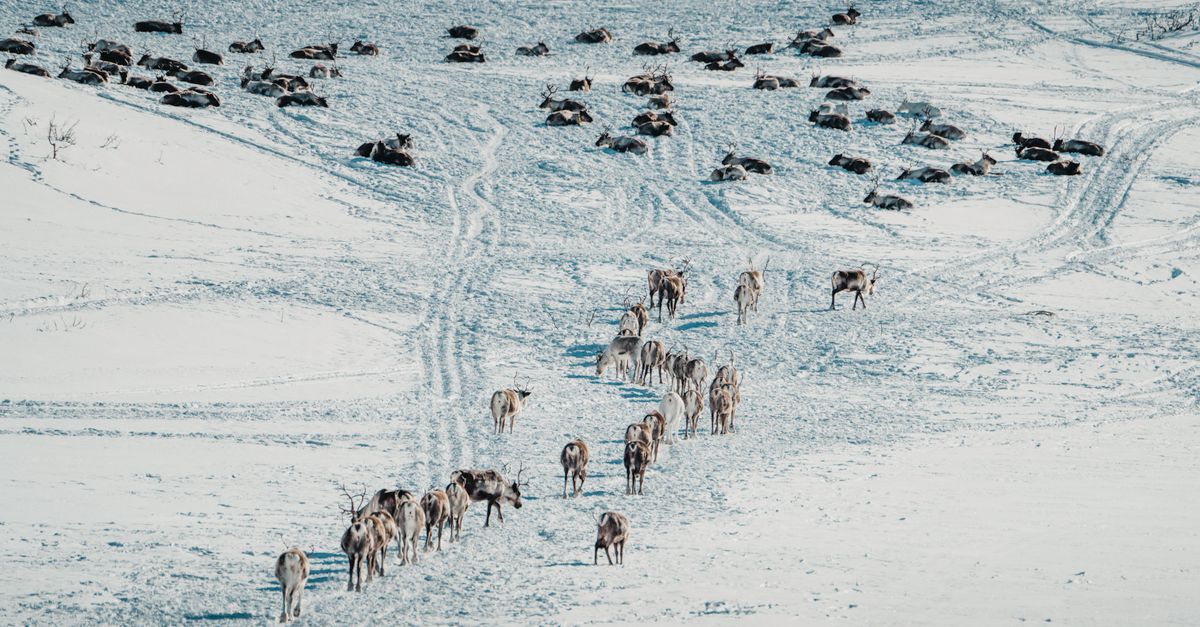
These two related peoples, once called Ostyaks and Voguls, have traditionally lived across the vast stretches of Western Siberia and the Urals. Their daily life is tied to hunting, fishing and reindeer herding, and many families still pass down the crafts of their ancestors. In their worldview the world is split into a sacred and a earthly part, so in certain spots people are expected to stay quiet so as not to disturb the spirits that guard the taiga.
The sacred mountain Neroyka
One of the most revered places for the Mansi is the summit of Neroyka, about 1,645 m high, located in the Polar Urals. Locally the mountain is seen as a living god who looks after the reindeer. Tourists usually reach it by helicopter, spend two to three days there, and manage to see the Shaitanka waterfall, the icy "Dodo" cave (named for its unusual snow crystals), and quartz deposits where crystals sparkle underfoot.
Urban ethnographic centers
-
Khanty‑Mansiysk – the city hosts the open‑air museum‑park "Torum Maa" ("Sacred Land"). Visitors can walk among traditional wooden houses, pole‑mounted hunting hides, winter smokehouses and a small shrine. Local festivals serve dishes such as sugudai – raw fish with salt and onion – and a thick reindeer‑meat soup. Souvenir stalls sell beaded jewelry with geometric patterns and boots made from reindeer hide.
-
Surgut – in the historic quarter "Old Surgut" stands the House of the Indigenous Peoples of the North, a launch point for hikes to Khanty clan lands, for example the village of Russkinskaya.
-
Tyumen – half an hour from the city, in the village of Kyshyturla, an interactive ethnic camp "Uvas mir hot" ("House of Northern People") lets guests try traditional activities and crafts.
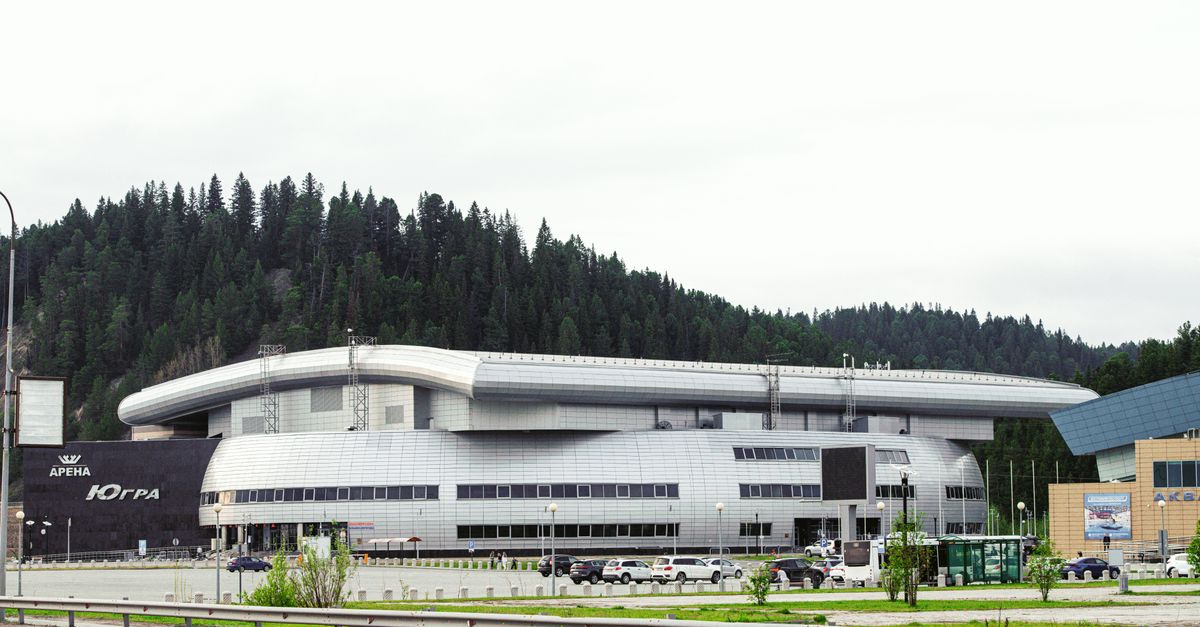
Photo: by Konstantin Mishchenko on Pexels
Flights from Moscow to Khanty‑Mansiysk take about three hours. As of November, round‑trip tickets started at 16 500 ruble, baggage included. Operators such as "Alean" and "Delfin" run tours to the region.
Sami of Murmansk Oblast: tundra traditions
The Sami (also called Lapp or Lappi) are a small people living in the northern parts of Russia, Finland, Norway and Sweden. The latest Russian census puts their number at roughly 1,500, most of them residing in Murmansk Oblast.
Ethnographic complexes and hospitality
-
Tuloma – this settlement hosts a Sami ethnographic complex where you can see traditional teepee‑like dwellings covered with reindeer skins and learn about local crafts.
-
Poaz (Deer) – guest cabins have been built here. Polina, a young resident, welcomes visitors in the "Deer Yard", serving herbal tea brewed over an open fire and sharing everyday Sami life. Guests may feed the reindeer and discover that the Sami word "yagel" means "lichen".
-
Lovozero – the village, whose name translates as "settlement of the strong by the lake", holds an annual "Reindeer Herder's Day" festival. Nearby is a museum dedicated to the history and culture of the Kola Sami, where you can view traditional clothing and even try it on.
-
Loparskaya Station – close by is a museum of Sami daily life; tourists can try on traditional costumes and see items made of bone and silver.
Sami culture is inseparable from the tundra: lightweight teepee‑style homes, warm garments of reindeer fur, bone and silver ornaments, and the distinctive "yoik" singing that once was considered sacred and meant to echo natural sounds.
Symbols and traditions
The Sami flag bears four colours – red, blue, green and yellow – taken from traditional garments. A red circle in the centre stands for the sun, while the blue represents the moon.
How to plan the trip
- Pick a region – decide whether you want to see the mountain sanctuaries of the Urals or immerse yourself in the tundra life of the Sami.
- Transport – the Urals often require a helicopter ride to the Neroyka base; Murmansk Oblast is most easily reached by plane to Murmansk, then by road.
- Length of stay – typical Urals itineraries run 2–3 days; in Murmansk you can linger for several days to visit multiple villages.
- Booking – work with reputable tour operators that have experience with indigenous communities to ensure respectful interaction.
- Etiquette – keep quiet in sacred spots and respect bans on noise; in Sami settlements be ready for warm hospitality, but also remember the central role of reindeer in their culture.
These journeys let you witness a living slice of Russian history, where customs pass from one generation to the next and the landscape stays largely untouched. Map out your route, respect local customs, and your visit will become a vivid encounter with the unique cultures of this vast country.
Based on materials from: atorus.ru.
Ready to go to Russia?
Sign up and find cheap flights right in the chat with our bot.