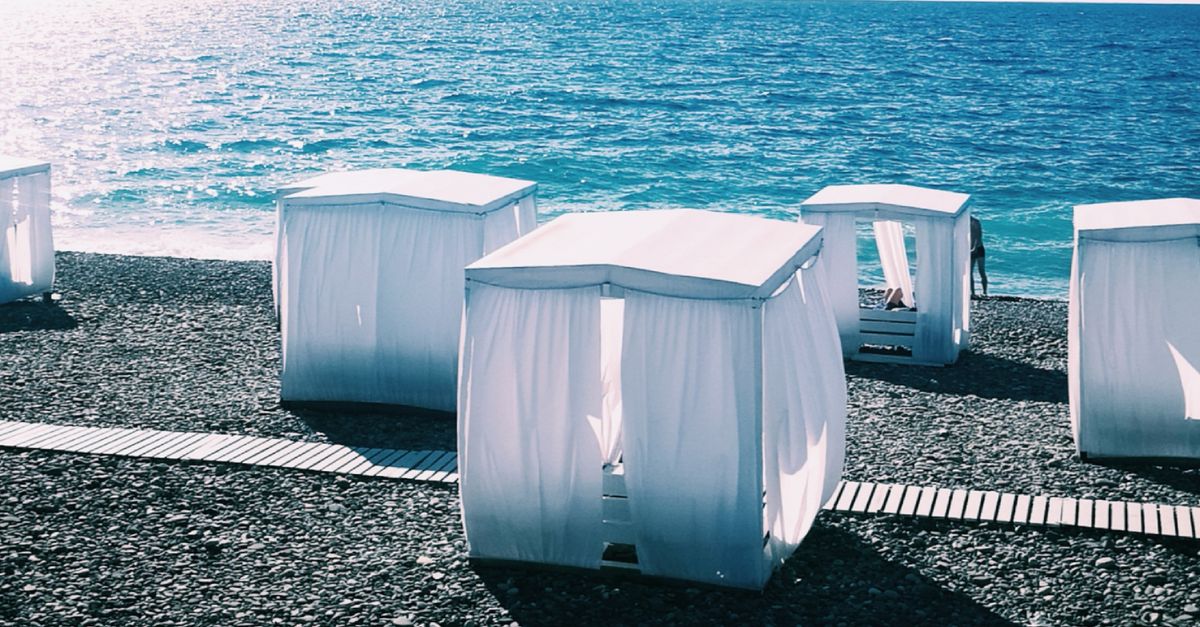
Photo: by Татьяна Чернышова🍒 on Pexels
Guest houses in Kuban: why legalization got stuck in bureaucracy
The experiment to officially recognize guest houses in the Krasnodar region ran into low registration, tax uncertainty and complaints from resort businesses, forcing the State Duma to amend the bill.
Why the experiment was conceived
In Russia there is a huge segment of small accommodations – guest houses that operate like mini‑hotels but live in a legal gray zone. Their owners paid taxes without a clear definition, and advertising their services without official status was prohibited. The idea was simple: pull these objects out of the “grey” area, list them in a single register and set understandable tax rules.
How the process started
In autumn 2025 a pilot project was launched in the Krasnodar region, covering 18 Russian regions right away. From 1 September 2025 applications were accepted into the Unified Register, and from 1 January 2026 a ban on advertising unregistered objects took effect. The plan was to roll the mechanism out nationwide by 2027. More than thirty regions said they were ready to join the experiment, hoping to legalise their markets.
What went wrong in practice
Low registration
Official data show that by the end of 2025 only about three thousand four hundred houses had entered the register – a tiny fraction of the real number, which is estimated in the tens of thousands.
Unclear tax rates
Owners still haven’t received an answer about which taxes they should pay – commercial rates or residential ones. While the classification of guest houses is still being refined, the registration process is effectively blocked.
Legal trap
Since January 2026 advertising and operating without official status can bring sanctions, but legalising is hard because of gaps in the regulations. As a result many owners find themselves between a rock and a hard place: either risk fines or wait for lawmakers to “fine‑tune” the rules.
Reaction of regions and federal bodies
Mayors of resort towns, especially Sochi, were hit with a wave of complaints from local businesses and had to raise the issue at the federal level. Federation Council speaker Valentina Matvienko publicly criticised the experiment, calling for an end to “unnecessary” trials.
In December 2025 the State Duma passed a law expanding the project: from 1 September 2026 the Adygea, Buryatia, Astrakhan and Nizhny Novgorod regions joined it. According to official figures, more than seven thousand objects have already received official status, and another thirty‑plus regions are considering participation.
Outlook and timeline
A bill on full nationwide rollout of the new regime is now being prepared. It is expected that by the end of 2027 the experiment will be concluded and a decision on a federal law will be taken. Meanwhile guest‑house owners on the Black Sea coast have to operate under legal uncertainty, hoping the regulatory framework will be sorted out.
What travelers should keep in mind
- When choosing a guest house in the Krasnodar region, check whether it has official registration. That will help avoid possible service problems.
- Look for licences and permits – they show the owner has already gone through the registration process.
- If you plan a long stay, ask which taxes are included in the price so you don’t face unexpected extra charges.
Bottom line
The attempt to legalise guest houses in Russia turned out to be more complicated than expected. Low registration, lack of clear tax rules and pressure from regional authorities created a situation where lawmakers have to keep tweaking the project on the fly. A final decision is expected by 2027, but for now owners and guests continue to live in legal limbo.
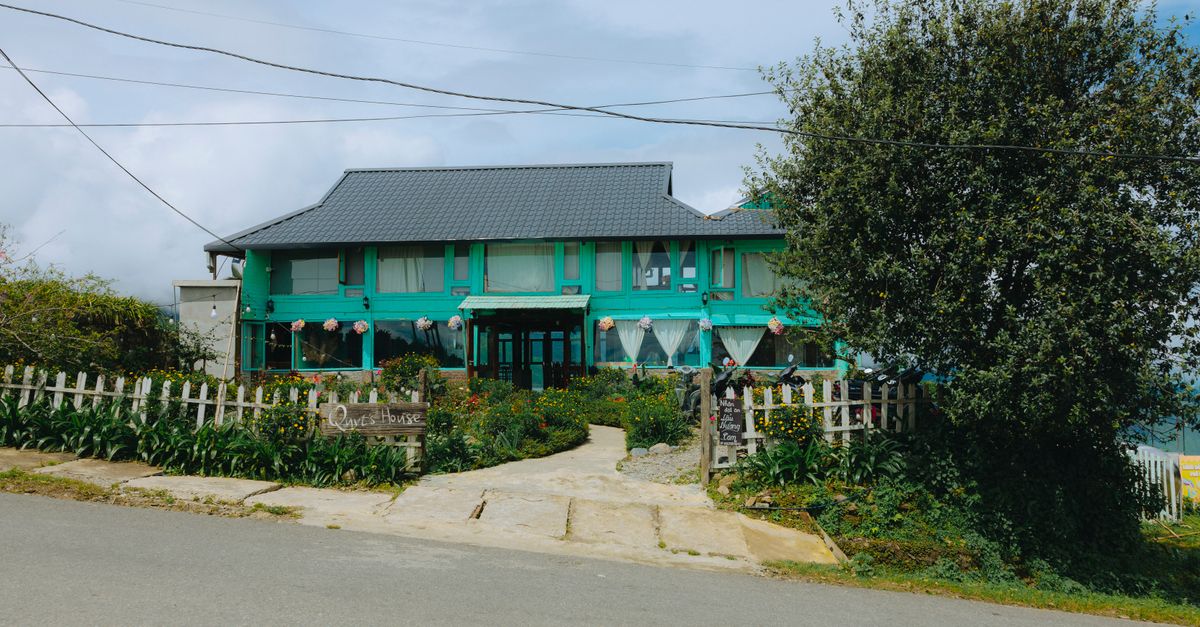
Based on materials from: trn-news.ru.
Ready to go to Russia?
Sign up and find cheap flights right in the chat with our bot.