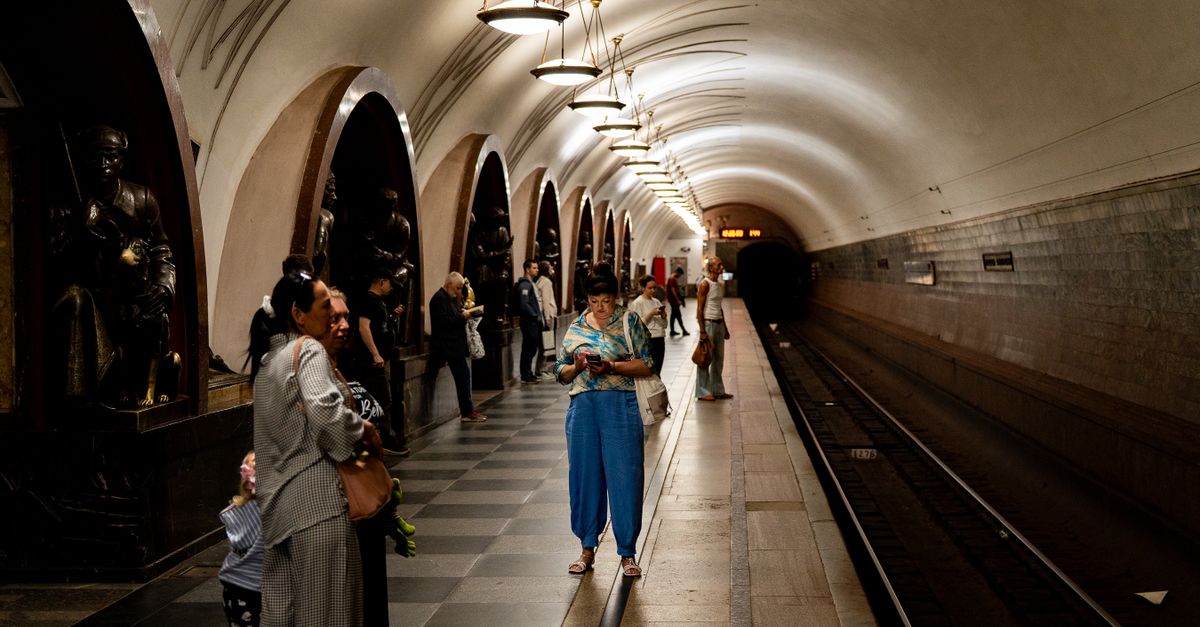
Photo: by omerovic cetinkaya on Pexels
How to Avoid the 10% Refund Fee on Train Tickets: Passengers' Proposals
A passengers' union proposes a flexible fee scheme instead of a flat 10‑percent charge, arguing it is excessive and harms long‑distance travel.
Why the idea of a new fee appeared
At the start of this year Russia began debating a mandatory withholding on train‑ticket refunds. The draft called for the operator to keep roughly ten percent of the ticket price if the passenger cancelled the trip. The proposal came at a time when refunds had already swelled to massive levels – millions of tickets are returned to the system each year.
What passengers say
The Union of Passengers (UOP) opposed the single‑percentage charge, calling it “unjustified and excessive”. According to them, the average withholding could balloon into dozens of rubles: from a few rubles up to several hundred, and for expensive tickets the hold could reach one‑and‑a‑half to three hundred rubles. For frequent long‑distance travelers those sums become a noticeable barrier.
Scope of the problem
UOP data show that operations linked to ticket resale make up only a microscopic slice of all refunds – about a few hundredths of a percent. Yet in June a fine of up to half a million rubles was introduced for illegal resale, which the union says is already enough to curb speculators.
What they propose instead of a flat commission
Differentiated fee
The core suggestion is to set different rates depending on how far in advance the passenger decides to return the ticket. The farther the departure date, the lower the hold; on the day before travel the rate rises; and if the refund is requested less than 24 hours before departure, the hold becomes the highest. This way people who plan ahead aren’t penalised, while last‑minute speculative refunds are discouraged.
Protecting family and group trips
The union also wants to scrap higher fees for tickets bought for children and for organised groups – school, sports, excursion parties. That would keep trips affordable for families and collectives that often rely on discounts and special tariffs.
Alternative refund options
- Shifting the travel date instead of a refund – lets the passenger keep the seat without losing money.
- Crediting part of the hold to a bonus account – the passenger can spend those funds on future purchases.
- Expanding the fare range to include fully non‑refundable tickets, following the airline model.
- Strengthening algorithmic monitoring of speculative activity, but without adding extra hurdles for honest travellers.
How the railways and regulators react
Russian Railways (RZD) and the Federal Antimonopoly Service (FAS) defend the fee, arguing it fights artificial seat shortages. Their figures show a large share of refunds happen in the last 24 hours before departure, and re‑issuing those tickets only fills a small percentage of empty seats. The remaining spots often stay half‑empty, which they say hurts economic efficiency.
Comparison with other countries
In response to criticism, railway officials cite aviation examples where refunds can be charged up to a quarter of the price, and mention China, where a last‑minute fee may be around twenty percent. Those numbers look disproportionate for Russian railways, given lower ticket prices and a different demand pattern.
What this means for travellers
Put together, passengers would get a more flexible system where the cost of a refund depends on their behaviour, not a fixed percentage. That could ease financial stress when plans change while still leaving room to tackle dishonest sellers.
Practical tip
Since the law isn’t final yet, keep an eye on the news and try to request refunds as early as possible. The earlier you are from the departure date, the smaller the hold – even if a differentiated fee is eventually introduced. If a trip is cancelled at the last minute, consider shifting the date instead of asking for a refund to avoid extra costs.
Outlook
With the illegal‑resale fine already in place and public pressure from passenger organisations growing, it’s likely the government will look for a compromise between railway interests and affordable travel for citizens. A differentiated fee approach appears the most balanced solution, allowing authorities to curb speculators without overburdening ordinary travellers.
Bottom line: if you travel by train often, watch the refund deadlines and think about alternatives like date changes. That will help you dodge an unexpected financial hit and make your journeys more predictable.
Based on materials from: trn-news.ru.
Ready to go to Russia?
Sign up and find cheap flights right in the chat with our bot.