Photo: by Евгения Егорова on Pexels
How children's camps and their transport regulations are changing in Russia: prices, formats and new opportunities
In 2026, prices for children's camps have risen, and parents are increasingly opting for short stays near home. At the same time, new rules allowing group composition changes before departure have come into force, simplifying trip organization.
Rise in Prices and Changing Demand for Children’s Camps
In the first half of 2026, the volume of state procurement of vouchers for children’s camps exceeded last year’s figures, indicating a continued growth in demand. At the same time, the average cost of accommodation in camps increased by a margin of 10% to 25% depending on the type of institution. In municipal camps the price rise was about 8‑12%, in commercial camps 15‑20%, and in some regions prices reached the upper limit of 25%.
The main drivers of the price increase were higher operating costs and more expensive food. Despite the higher prices, parents are not abandoning camp holidays, but are changing their format. Programs located within the child’s home region, where you can travel quickly, drop the child off yourself and pick them up early if needed, are becoming increasingly popular.
Short Stays Instead of Traditional Three‑Week Programs
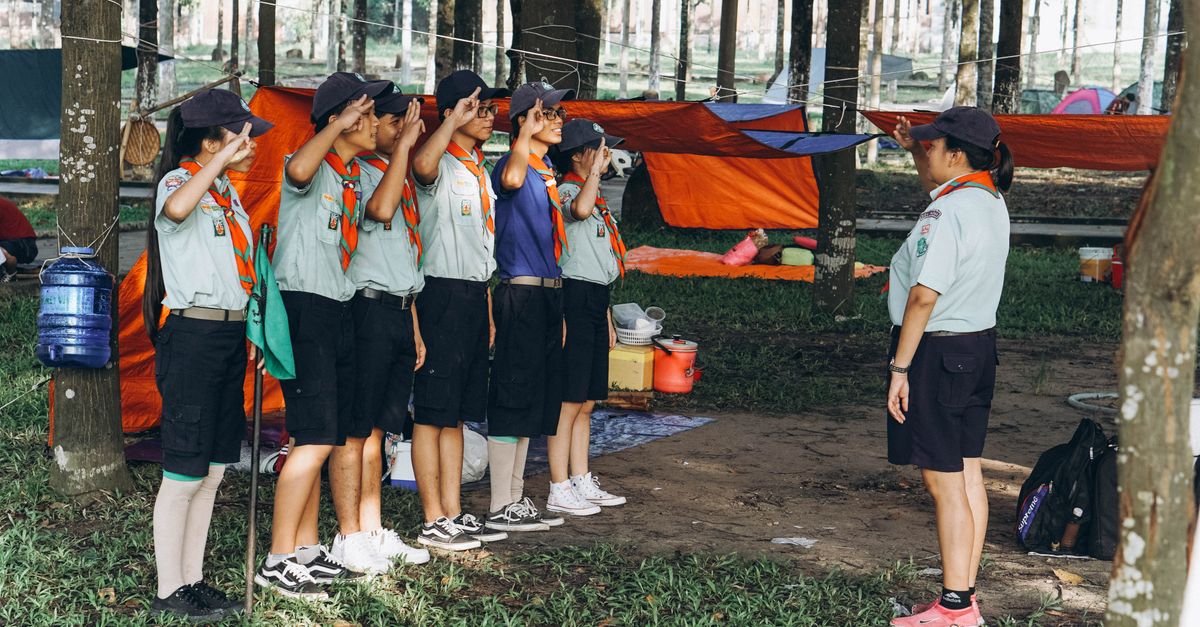
Photo: by Sóc Năng Động on Pexels
The traditional three‑week stay is gradually giving way to more flexible options: 10‑18‑day trips, day camps, weekend programs, and specialized two‑week courses. These formats are easier to fit into a family budget and to combine with parents’ vacations, visits to relatives, or other summer plans.
For organizers this creates new challenges: frequent arrivals and departures require more paperwork, increased communication with parents, and more careful logistics. Nevertheless, flexible programs attract families who are not ready to pay for a long‑term stay right away.
What Parents Look for in Modern Camps
Besides price, important criteria remain safety, food quality, counsellor qualifications and the presence of educational components. In demand are language learning, sports, creative activities, career guidance, and IT courses. Parents are willing to pay for a clearly defined program that combines fun and development.
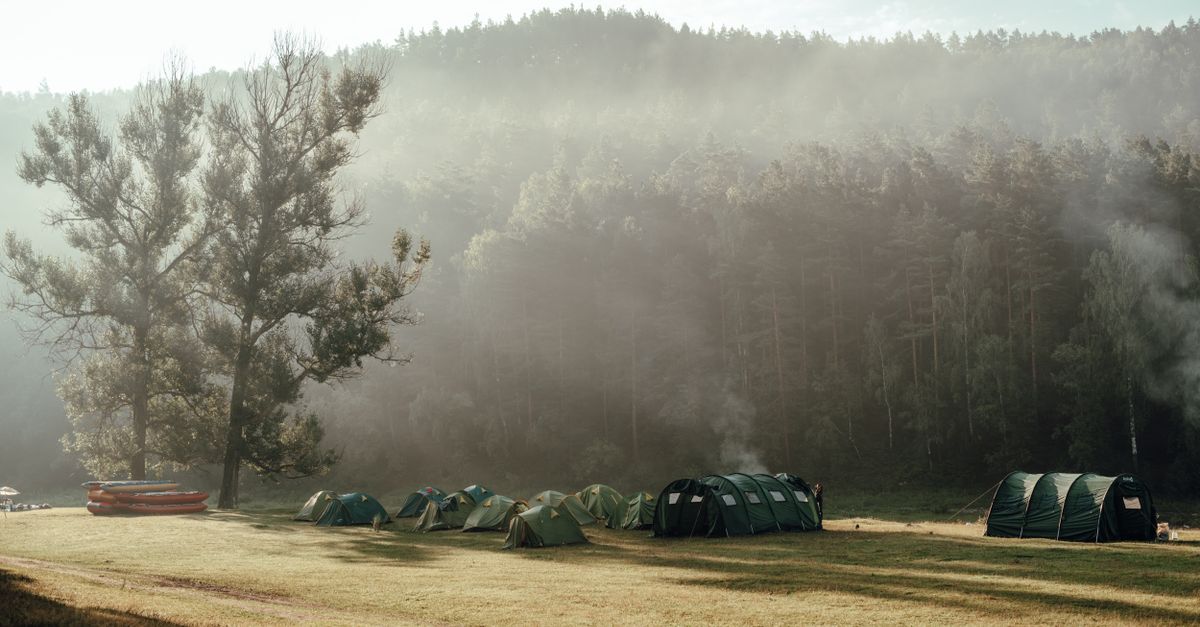
Demand for “camps nearby but not at home” is growing: these can be countryside sites within the region that are easy to reach by private car. After several years when logistics and distance became problematic, proximity has become as important to families as cost.
State Support and Its Limits
The rise in state procurement shows that regions continue to fund children’s recreation, especially for disadvantaged groups. However, budget vouchers often do not cover all family needs: some look for more comfortable conditions, others for specialized programs. Therefore the commercial segment remains in demand despite price increases.
New Rules for Transporting Children’s Groups by Bus
On 1 September 2026, Russia enacted Decree No. 680, which replaced the 2020 rules. The key innovation is the ability to officially change the composition of a children’s group before the trip starts. The organizer can add or replace a child, having the changes certified by the responsible person, and the data will be taken into account during the traffic police inspection.
This solves a long‑standing problem where last‑minute changes caused conflicts with authorities even when all other requirements were met. Now, if a child falls ill, parents cancel, or a spot opens from the waiting list, the organizer can promptly reflect the change in the roster.
Practical Recommendations for Parents
- Plan flexibly. When choosing a camp, consider the possibility of a short stay and proximity to home – this reduces both financial and logistical burdens.
- Watch for changes in transport regulations. The new rules allow adjustments to the participant list before departure, so unexpected circumstances can be dealt with quickly without risking trip cancellation.
- Compare programs. Look not only at price but also at educational modules, food quality and staff qualifications.
- Clarify refund and transfer conditions. When opting for a short stay, check how the organizer handles changes in group composition and possible date shifts.
Industry Outlook
For camps, 2026 was a turning point: the product “three weeks away from home” is no longer the only option. Success will belong to those who offer diverse formats that combine affordability, safety and high‑quality content. At the same time, the flexibility in transport organization codified by the new rules will lower administrative barriers and make planning more predictable.
Thus, rising prices are accompanied by a shift in demand toward shorter, more local programs, and legislative changes in the transportation of children’s groups create more convenient conditions for all participants. Parents gain more choices, and camps get a chance to retain clients by offering services adapted to the new reality.
Based on materials from: trn-news.ru.
Ready to go to Russia?
Sign up and find cheap flights right in the chat with our bot.