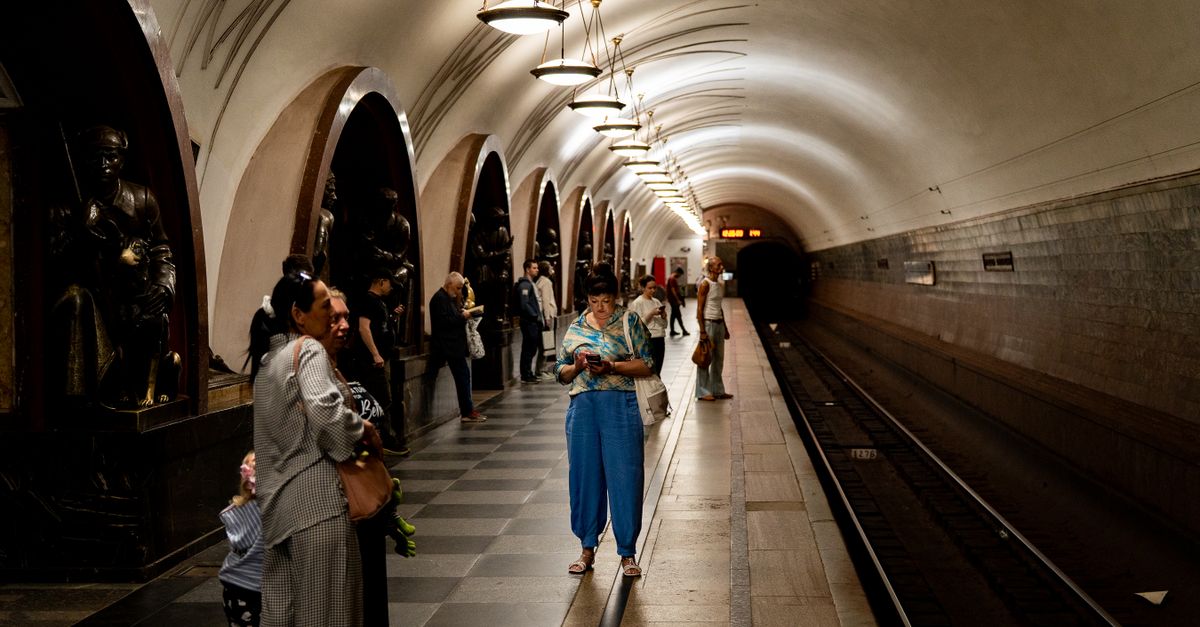
Photo: by omerovic cetinkaya on Pexels
How New Rail Lines Will Change Trips from Moscow to the Regions
Moscow’s mayor announced a massive project to develop rail connections with ten regions. Shorter travel times and a clock‑face timetable will make weekend getaways easier and more attractive.
What they plan to build
In 2026 a programme co‑designed by Russian Railways and regional authorities will kick off, aimed at building a resilient inter‑regional rail network around the capital. Unlike the usual extension of the Moscow Central Diameter, this effort moves its services – clock‑face scheduling, new fare structures and modern rolling stock – onto lines that link Moscow with neighbouring oblasts.
Two development stages
The project is split into two parts. The first stage, slated for completion by 2030, will cover five oblasts: Yaroslavl, Vladimir, Smolensk, Kaluga and Tula. The second stage will bring in Tver, Kostroma, Ivanovo and Ryazan. In addition, extra trains will be added to cities such as Kaluga, Tula, Ivanovo, Smolensk and Yaroslavl.
How trips will change
By cutting out unnecessary stops, journey times will shrink to almost half of what they are today. Calculations show the capacity of the routes will triple, and intervals between trains could become hourly. That will be possible after stations like Kaluga‑1 and Tula are upgraded and a clock‑face timetable is introduced.
Who benefits
Tourists
The Golden Ring towns – Yaroslavl, Vladimir, Tula, Kostroma and Ryazan – have long been popular with Muscovites looking for short weekend escapes. Faster trips and regular services will make such getaways more spontaneous: you could now fit a day trip into a single day without spending hours on the road.
Car‑travelers
When fuel prices climb, the railway becomes a predictable alternative to driving. Regular trains let you avoid traffic jams and the fatigue of long‑haul driving, and they give you a chance to relax while you move.
Residents of the regions
More than 30 million people living in the covered oblasts will be able to commute to the capital every day without needing a private car. That could ease access to jobs and education, but it also raises the risk of talent draining out of the regions if people start moving to Moscow for convenience.
What’s already done
The programme has received federal status and government approval, so its implementation will be overseen at the national level. Work started this year, and the first timetable tweaks and infrastructure upgrades will appear over the next few years.
Practical tips for travelers
- Plan ahead: even though intervals will shorten, popular routes can fill up quickly, especially on weekends.
- Watch the schedule: clock‑face operation means fixed departure times, so double‑check the current timetable before you set off.
- Pick flexible fares: the new pricing schemes let you save if you travel outside peak hours.
- Mind transfer stations: upgrades at major hubs like Kaluga‑1 will improve comfort and cut transfer times.
A look to the future
If the project reaches full scale, rail links from Moscow will serve almost a quarter of the country’s population. That would lay the groundwork for more active domestic tourism, ease pressure on highways and, with the right support, help regional economies grow. The key will be to balance easier mobility with preserving jobs in the provincial centres.
Information is based on official statements by Moscow mayor Sergei Sobyanin and material from trn‑news.ru.
Based on materials from: trn-news.ru.
Ready to go to Russia?
Sign up and find cheap flights right in the chat with our bot.