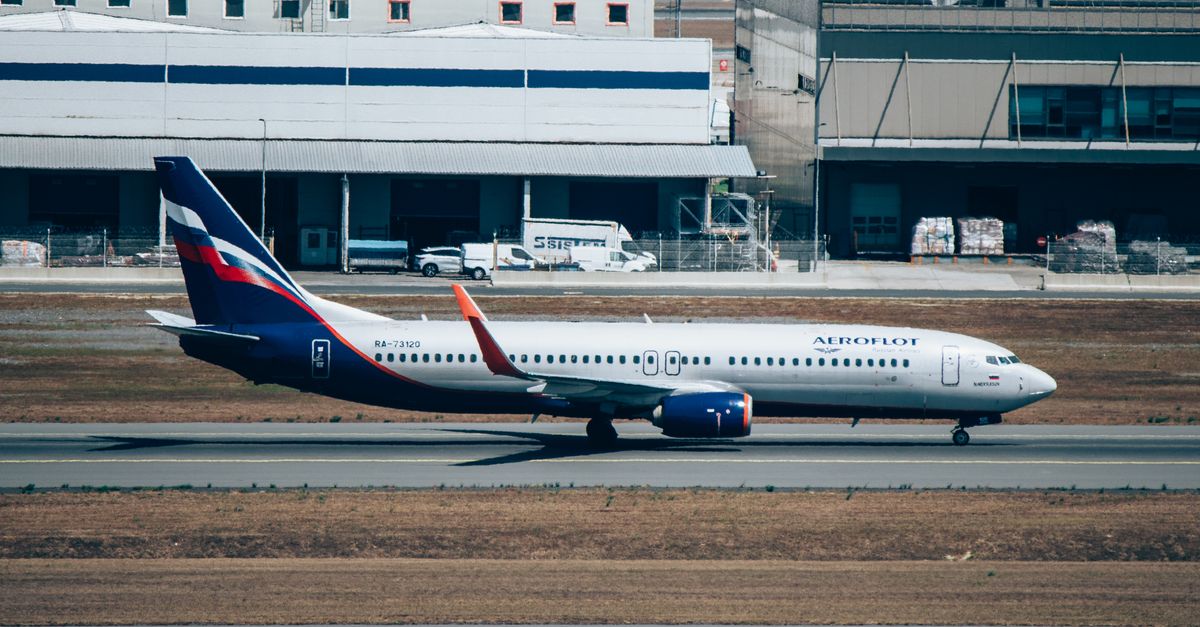
Photo: by Cihat Dede on Pexels
How Amur Tigers Are Transported in the Sky: Details of the Flight from Vladivostok to Sheremetyevo
On July 21, flight SU1703 carried two Amur tiger cubs from the Far East to the capital. Find out how Aeroflot and the Amur Tiger Center prepared the transport cages and ensured a safe flight.
Unusual cargo: two Amur tiger cubs in the sky
On July 21, flight SU1703, operating from Vladivostok to Sheremetyevo, became the stage for a rare sight: two Amur tiger cubs were in the aircraft cabin. The transport was handled by a joint team from Aeroflot and the Amur Tiger Center, which prepared everything needed for a safe flight of the predators.
How did they prepare for the transport?
Step‑by‑step plan
- Sending empty cages – before the tigers arrived, Aeroflot shipped special transport cages from Moscow to Vladivostok. This let them confirm the cages met airline and international standards.
- Preparing the animals – at the Amur Tiger Center the tigers were examined, calmed, and placed in the ready cages under veterinary supervision.
- Loading on board – the cages were moved into the cargo hold, taking weight distribution into account and securing them to prevent shifting during the flight.
- Return flight – after landing at Sheremetyevo the same cages were sent back to Vladivostok on the same route, this time empty.
Why this order?
Transporting a large predator demands strict rule‑following: cages must be certified, ventilated, and allow quick evacuation. Sending the empty cages ahead lets the crew verify fit in the cargo hold and avoid delays at the destination.
What happens during the flight?
During the trip two veterinarians keep watch over the tigers. They sit in the cargo‑control cabin, where they can see the animals through special windows. If needed, medical aid is ready, and equipment to maintain an optimal micro‑climate inside the cage is provided.
How does Aeroflot view the transport of rare animals?
The airline has experience moving exotic and protected species. For each such flight an individual plan is drawn up, covering:
- coordination with state wildlife authorities;
- training of staff who will handle the cargo;
- preparation of all paperwork proving the transport is legal.
Why is this logistics important?
The Amur tiger is one of the rarest tiger subspecies and is protected. Moving individuals between reserves and research centers is often needed for genetic exchange, treatment, or breeding programmes. Without reliable air links such operations would be impossible, especially given the huge distance between the Far East and western Russia.
What should travelers know?
If you fly the same route, you might spot an unusual cargo pallet – large cages in the hold. These shipments usually don’t affect passenger comfort, but they can spark interesting conversations with the crew. Remember, animal and passenger safety are top priorities, so any attempt to approach the cargo without permission is strictly prohibited.
Flight summary
Flight SU1703 successfully delivered the two Amur tiger cubs to Sheremetyevo, and the empty cages returned to Vladivostok on the same route. The case shows how major airlines can adapt their operations to the specific demands of wildlife conservation, blending strict safety standards with flexible logistics.
Handy tips for those interested in similar transports
- Follow airline news – they sometimes announce unusual cargoes.
- When planning a trip to regions with reserves, ask whether you can watch animal transports (occasionally such flights are open for public viewing).
- Direct any questions about moving protected species to the organization that cares for them.
Transporting Amur tigers is a rare event, but it demonstrates how modern transport can become part of efforts to save endangered species. And if you ever see those cages at an airport, know that a lot of careful work by specialists is behind them, all aimed at preserving Russia’s wild inhabitants.
Based on materials from: frequentflyers.ru.
Ready to fly to Russia?
Sign up and find cheap flights right in the chat with our bot.