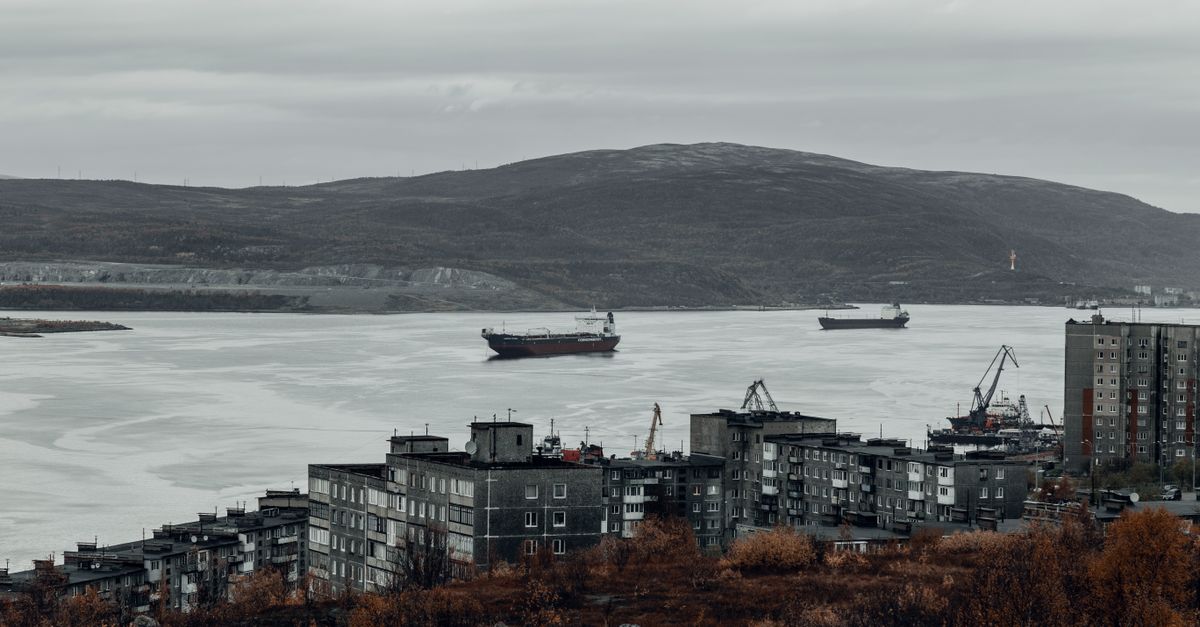
Photo: by Mike Klokov on Pexels
Chinese tourists discover new sides of Russia: from the Arctic to the Far East
Chinese travelers are increasingly choosing Russian regions beyond Moscow and St. Petersburg – Murmansk, Primorsky Krai, and the Far Eastern territories. Visa‑free travel and growing air links are making these destinations more reachable.
New direction of interest among Chinese tourists
In recent years we have seen a clear shift in what Chinese travelers look for. The classic routes – the capital and the cultural capital – are no longer the only options. According to the Russian Tour Operators Association, Murmansk and Primorsky Krai now rank among the top‑picked spots. Interest is also rising for Khabarovsk and Amur regions, as well as Lake Baikal. This broader demand shows that Chinese visitors are ready to venture into the country’s more remote corners.
Why Murmansk and Primorsky Krai have become "hits"
Murmansk Oblast markets itself as the gateway to the Arctic. The region leans heavily on social media and emotive storytelling, highlighting polar phenomena and the northern atmosphere. Primorsky Krai, on the other hand, has been building a systematic tourism product for several years: regular flights connect the area with more than a dozen Chinese cities, making a trip to Vladivostok and its surroundings smoother and more predictable.
Far‑Eastern "gate to Asia"

Amur Oblast is slowly turning into a kind of "entry to Asia" for border tourism. In 2025 about a hundred thousand Chinese tourists visited the region. With the visa‑free regime extended, further growth is expected. Khabarovsk Krai and Lake Baikal also draw attention, offering a mix of wild nature and cultural traits typical of Siberia and the Far East.
Visa‑free experiment – the main growth driver
September 2025 marked the launch of a 30‑day visa‑free stay for Chinese citizens. Initially framed as a trial, the measure has been prolonged until the end of 2027. Industry experts say this policy has allowed tour operators to design longer itineraries that go beyond the usual capital‑centric routes. In the first half of 2026 the flow of Chinese tourists to Russia rose roughly twenty percent, while the outbound flow grew by more than half.
Air links as the "glue" of new routes
Primorsky Krai has already built a dense network of flights to China: about seventy flights a week serve eleven destinations, including major hubs such as Beijing, Shanghai and Harbin. This volume of traffic makes trip planning much easier and lowers entry barriers for group tours. Since August 2023 the region also runs a visa‑free group regime for Chinese visitors, a step that anticipated the nationwide initiative.
What to expect by 2027
Tour operators note that a sudden surge in the organized segment has not yet materialised. They expect the main impact of the visa‑free policy to appear closer to 2027, when infrastructure, logistics and tourism offerings will have fully adapted to the higher demand. New itineraries that include Arctic and Far‑Eastern stops should become more varied, and services more polished.
Practical tips for planning a trip
- Pick the right season – in the Arctic zones aim for summer, when days are long; in Primorsky Krai autumn offers mild weather and fewer crowds.
- Watch visa news – the visa‑free regime runs until 2027, but dates can change, so keep an eye on the latest updates.
- Check air connections – direct flights from major Chinese cities simplify logistics and save time.
- Choose a tour operator familiar with regional specifics – local expertise matters especially in remote Arctic and Far‑Eastern areas.
Bottom line
Chinese tourists are no longer confined to Moscow and St. Petersburg. They now cover the Arctic expanses of Murmansk Oblast, the scenic coasts of Primorsky Krai, and the unique landscapes of the Far East. Visa‑free travel, improved air links and focused regional branding are making these places increasingly accessible. By the end of the current experiment the market is expected to be reshaped, with new routes becoming a regular part of Chinese tour programs and opening even wider horizons of Russia to them.
Based on materials from: trn-news.ru.
Ready to go to Russia?
Sign up and find cheap flights right in the chat with our bot.