Photo: by Pexels User on Pexels
Cruise conference in Moscow and industry forum in Kazan: how Russian river tourism is changing
In September 2026 tour operators will gather on the fully chartered vessel “Princess Anabella”, and in October in Kazan they will discuss river routes, infrastructure and staffing. What these events promise and why they matter for the sector?
A new format for business meetings: the TURSLIVKI cruise‑conference
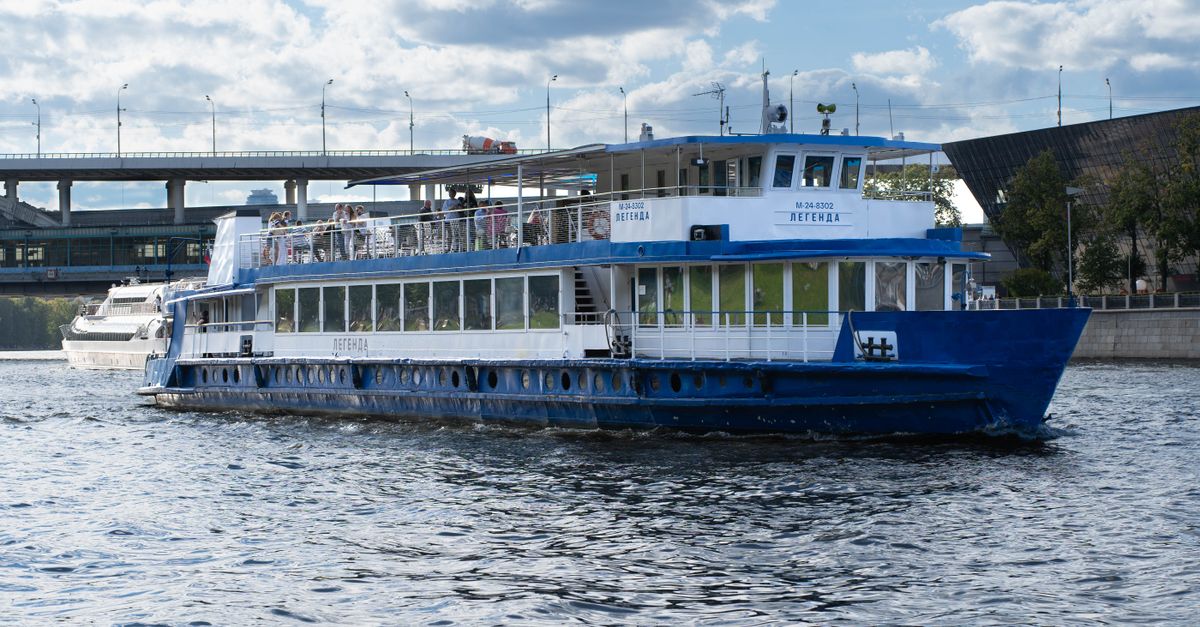
September 2026 turned into an experiment for the TURSLIVKI agency network, turning a regular conference into a floating business retreat. From the 17th to the 19th, participants set off from Moscow aboard the premium liner Princess Anabella, owned by Sputnik‑Hermes. The ship was chartered in its entirety, allowing more than a hundred travel‑agency representatives to stay in comfortable cabins.
Programme on the water
- Thursday evening – departure from the North River Station, where guests were welcomed with a captain’s cocktail, a short briefing and a dinner in red attire.
- Friday, Dubna – after docking in the town, where the vessel lingered for about seven and a half hours, the main business segment unfolded: registration, a welcome glass of champagne, then a conference featuring suppliers and partners (Space Travel, Planeta Travel, Inturist, Solvex, One Touch&Travel and others). After lunch participants could choose an excursion or a beach break. Evening brought a gala dinner and a disco with a white dress code.
- Saturday, return – breakfast followed by arrival back in Moscow at the North Station, where participants checked out before noon.
The “round‑table on water” format has become a TURSLIVKI tradition, mixing training, winter‑season preparation and entertainment. Interest exceeded expectations: every berth sold out a month before sailing, a clear sign that demand for unconventional professional gatherings is rising.
All‑Russian conference “Rivers. Cruises. Routes” in Kazan
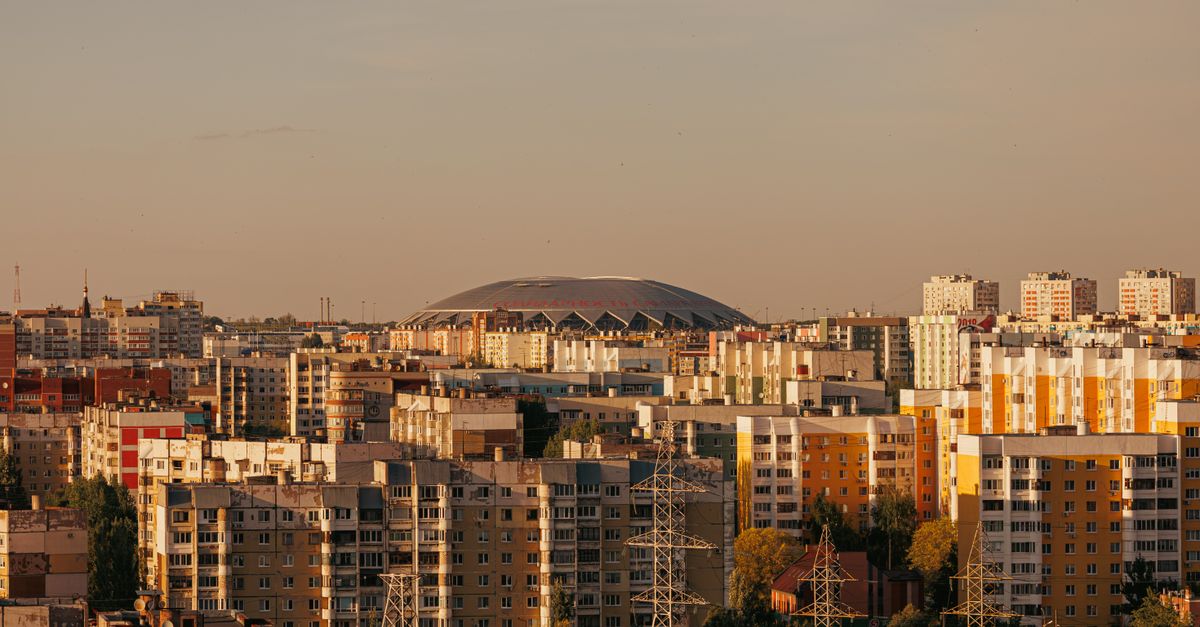
Photo: by Daniil Kondrashin on Pexels
In October 2026, on the 8th‑9th, the capital of Tatarstan hosted the fourth annual forum devoted to the development of river tourism in Russia. Organisers received backing from the Federal Agency for Sea and River Transport, the Ministry of Transport of Tatarstan and the regional tourism committee.
Geography and topics
The programme spanned six cities representing different river basins: Yelabuga, Kazan, Moscow, Nizhny Novgorod, Perm and Yakutsk. This inter‑regional spread allowed discussion not only of individual routes but also of broader issues affecting territories along the rivers.
Key topics included:
- Domestic water transport – state and business perspectives on inland shipping.
- New cruise cities and routes – plans for 2026‑2027, including concepts still in the drawing stage.
- Coastal‑zone infrastructure – which solutions are considered cutting‑edge, how they attract tourists and boost local communities.
- Staffing – cooperation between universities and companies, training specialists for a growing river‑travel market.
- Fast passenger‑service models – successful examples and possibilities for adaptation across regions.
Attendees exchanged experience, examined investment potential of river cities and drafted recommendations that go beyond routine industry talks.
What ties the two events together?
- Practice‑oriented focus – both in Moscow and Kazan the programmes revolve around real cases, not just theory. Participants get to see new routes in action and discuss them with service providers.
- Blend of entertainment and learning – the cruise‑conference mixes business sessions with evening programmes, while the Kazan forum adds excursions and panel discussions, creating a lively atmosphere.
- Support from public authorities – both initiatives enjoy official backing, underscoring the strategic importance of river tourism for the national economy.
- Regional diversity – Kazan’s agenda covered cities from European Russia to Yakutsk, and Moscow’s attendees could witness how the Volga links different regions, including Dubna.
Why does this matter for tourists and businesses?
- Infrastructure development – talks about new ports, moorings and service hubs promise smoother river journeys.
- Investment opportunities – fresh projects may attract large tour operators as well as local entrepreneurs.
- Human‑resource growth – emphasis on education and university collaboration builds a professional base for the sector.
- Higher visibility – events draw media attention and potential clients, making river tourism more recognizable.
How to get ready for participation?
If you plan to attend similar gatherings, consider these steps ahead of time:
- Register early – spots often sell out well before the start, as the Princess Anabella example showed.
- Study the agenda – highlight sessions that match your interests (routes, infrastructure, staffing).
- Prepare questions – specific queries for suppliers and partners make networking more effective.
- Mind the dress code – themed evenings (red, white) call for appropriate attire in advance.
Looking ahead
Both events demonstrate that Russian river tourism is moving out of a niche and aiming to become a solid component of the national tourism product. The mix of practical cases, state support and infrastructure focus promises more routes, better service quality and new jobs.
For travelers this translates into a wider selection of scenic river trips across the country; for businesses it means fresh avenues for investment and cooperation. Keep an eye on announcements for upcoming conferences – they are where the trends shaping the future of Russian river tourism are forged.
Based on materials from: trn-news.ru.
Ready to go to Russia?
Sign up and find cheap flights right in the chat with our bot.