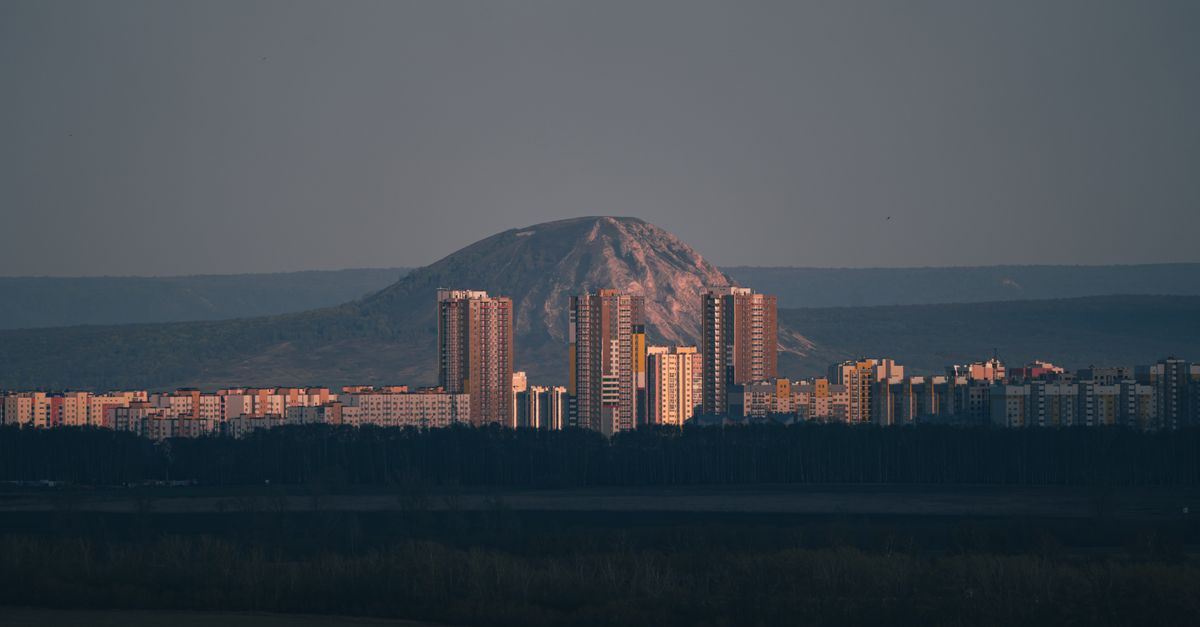
Photo: by Эдуард Галеев on Pexels
Summer boom in business trips in Russia: rising costs, shift to rail and new leaders
Summer 2026 turned into a period of more business trips, higher prices and a noticeable swing toward railway routes. Ufa, Moscow and Surgut led the list of the most popular domestic destinations.
Overall picture of business tourism in summer 2026
Comparing the summer season of 2026 with the same period last year, IBC Corporate Travel notes a modest but tangible rise in the number of business trips – about one percent. The figure looks small at first glance, yet it masks a whole set of accompanying changes: the average cost of a trip jumped by almost a quarter, and the expense structure shifted toward more flexible arrangements.
How costs are changing
Since the start of the year the average bill for a business trip has surged by nearly 40 %. The increase wasn’t uniform: the summer months showed the sharpest jump, disproving the stereotype of a “low” demand in warm weather. Over the three‑month stretch (June‑August) corporate clients spent almost a quarter more on tourism services than in the same season of 2025.
Transport expenses
- Air travel – prices rose by roughly 10 %.
- Railways – ticket costs went up about 8 %.
- Hotels – accommodation rates climbed close to 24 %.
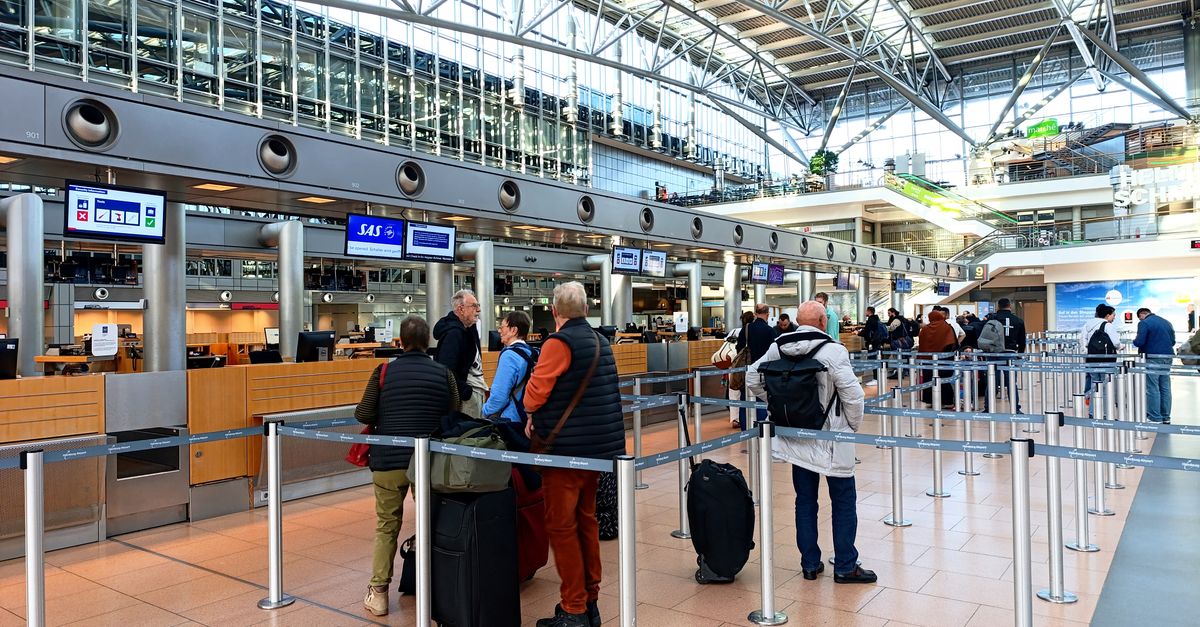
Interestingly, despite higher prices, business travellers have been using ancillary services less often: transfer requests dropped by almost two‑thirds, and extra‑baggage handling at airports fell by more than ten percent.
Railways gaining momentum
Summer 2026 marked a clear upswing in demand for railway routes among business tourists. By the end of July the number of train‑based trips was up 13 % compared with the same month a year earlier, while June saw a modest one‑percent rise.
The shift to rail first affected the major transport hubs: Moscow, St Petersburg, Kazan, Yekaterinburg, Perm and Chelyabinsk. Growth was especially noticeable on these corridors, and in a few regions that traditionally relied on air travel a move toward the cheaper, greener option became evident.
Regional leaders inside Russia
The top‑5 domestic destinations for business trips in the summer of 2026 look like this:
- Ufa – the capital of Bashkortostan, which topped the ranking for the first time, overtaking Tyumen and Novy Urengoy.
- Novy Urengoy – an important centre in the Yamalo‑Nenets Autonomous Okrug.
- Tyumen – a long‑standing oil‑and‑gas hub.
- Moscow – the capital, where railway business trips grew by almost a third.
- Irkutsk – a major Siberian city.
Ufa recorded a 20 % rise in railway‑based trips, and Tobolsk saw a similar increase. The biggest absolute jump was logged in Yuzhno‑Sakhalinsk – close to ninety percent.
St Petersburg became the record holder for railway business‑trip growth: the number of services rose one and a half times compared with last July.
International business trips
Besides domestic movement, the summer of 2026 saw the number of outbound trips double compared with the same period in 2025. At the same time the average cost of an overseas business trip slipped slightly, indicating more competitive offers from international operators.
The most popular foreign destinations were:
- Minsk and Gomel (Belarus) – leading in the volume of business trips.
- Istanbul (Turkey) – a major transport hub that attracts corporate travellers.
- Beijing and Shanghai (China) – rounding out the top five, reflecting growing interest in Asian markets.
What to consider when planning a business trip this summer
- Budget: factor in higher air‑fare and hotel prices, but remember railway tickets have risen less sharply.
- Transport: if your itinerary allows, think about the train as a cheaper and greener alternative.
- Ancillary services: transfers and extra baggage are being used less, which can trim overall costs.
- Region: in emerging leaders like Ufa and Yuzhno‑Sakhalinsk the infrastructure for business travellers is expanding fast, making them attractive for meetings and conferences.
Outlook
The shift from classic seasonality toward a more flexible demand model shows that business tourism in Russia is becoming less tied to the traditional “peak” months. Rising expenses are accompanied by a reorientation toward more affordable transport modes and a widening geography of international trips.
For companies this opens up room to optimise budgets by tapping railway routes where sensible, and to plan visits to regions where the infrastructure has already adapted to business flows. In short, the summer of 2026 can be called a period of transformation for corporate travel: prices climb, new levers for control appear, and the map of trips expands both inside the country and beyond its borders.
Based on materials from: trn-news.ru.
Ready to go to Russia?
Sign up and find cheap flights right in the chat with our bot.