Photo: by Siarhei Nester on Pexels
Summer Decline in Demand for Sightseeing Tours in Russia: Causes and Outlook
In the summer of 2026 Russians bought sightseeing tours about 10 % less than a year earlier. The drop is linked to fuel shortages, changes in guide certification, and a general fatigue with long trips.
Falling sales: numbers and the big picture
By the end of the summer of 2026 the Russian Union of the Tourism Industry recorded a drop of roughly ten percent in the number of sightseeing tours sold across the country compared with the previous year. Prices stayed at last season’s level, and the aggregator "Sputnik8", which lists about thirty‑thousand excursions, reported that total sales volume didn’t change, but the number of orders inside Russia fell by roughly the same percentage.
Where tourists went most often
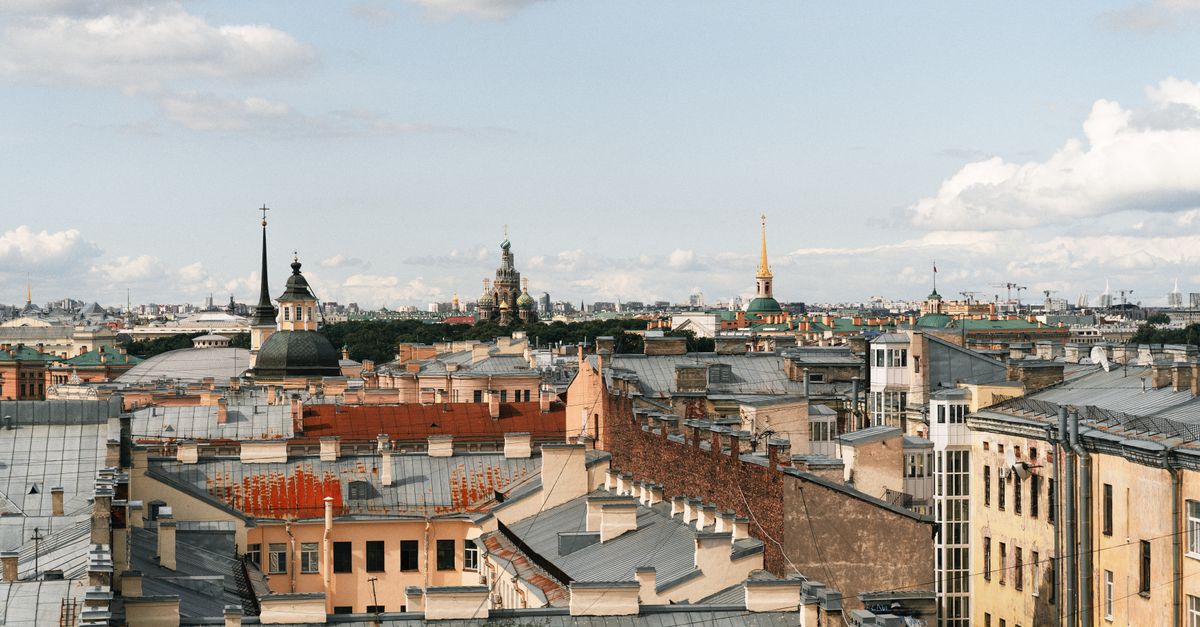
Even with the overall dip, demand for trips to major cities and popular regions stayed strong. The bulk of bookings went to St Petersburg, Moscow, the Kaliningrad region, as well as the central part of the country and the Volga region, where Nizhny Novgorod was especially popular. These destinations traditionally attract both city dwellers and people looking for short get‑aways from their hometown.
Fuel shortage and its impact
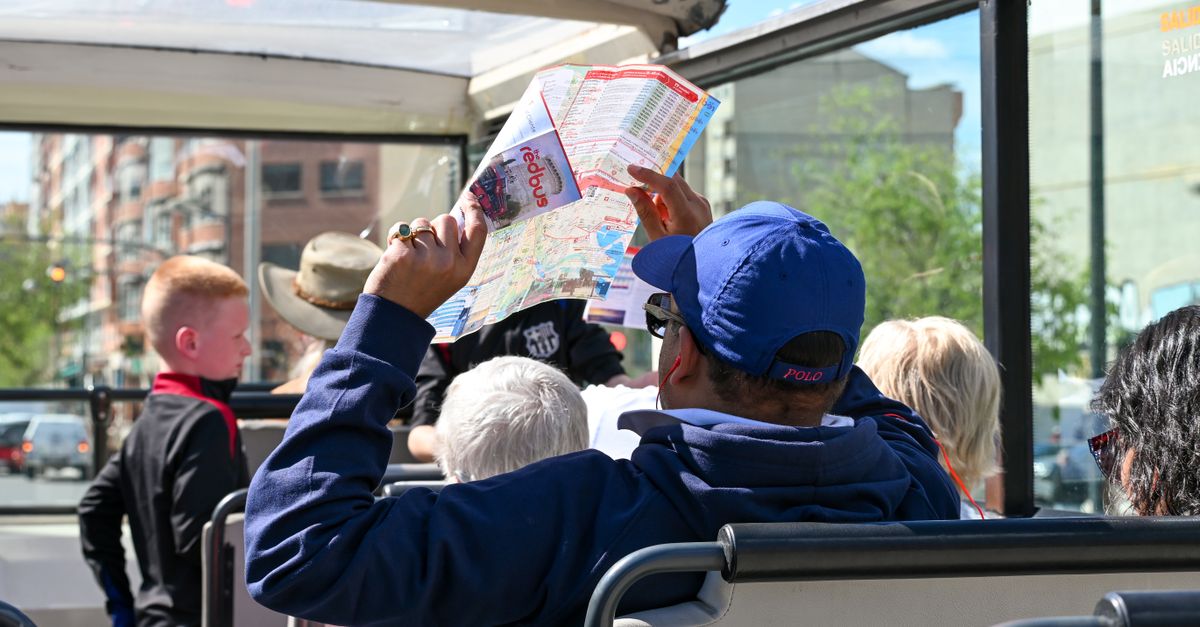
Photo: by Lorna Pauli on Pexels
During the summer many regions faced a gasoline shortage, yet this barely affected the work of bus tour operators. According to Igor Petrov, director of "Sputnik8", the large bus companies managed to keep their schedules, and prices and the number of available excursions stayed the same. The trouble showed up for private guides who drive their own cars: orders were often cancelled and some of them temporarily halted operations.
Why people started avoiding long trips
Vladimir Lutosh, CEO of "Travel Workshop", ties the demand drop to a growing weariness of lengthy journeys. He notes that August – usually the peak month – fell short of expectations. Many travellers, hearing about new tech such as unmanned aerial vehicles, chose to stay home or limit themselves to trips within their own region. That shift hit both visitor numbers and companies’ revenues.
Guide certification: a new market barrier
Another factor that squeezed supply is the overhaul of the guide‑certification system. Previously experienced guides could lead groups in several regions; now each guide is certified for only one area. Consequently the pool of available guides shrank and their fees rose. The effect is most noticeable in remote destinations where demand was already thin.
Regional differences in the demand drop
Not every region suffered equally. Operators of "Turtans‑Voyage", a bus‑transport specialist, said their season ran at last year’s level, and the dip was seen only on routes that require long and expensive flights – the Caucasus, Baikal and Altai. Tourism director Roman Rudenkо attributes this to high air‑ticket prices and disruptions in air connections.
How tourist behaviour is changing
According to the Russian Tour Operators Association (ATOR), demand for summer trips in August fell anywhere from seven to nineteen percent. The average tour length shortened from seven nights to six, and the booking window shifted: travellers now book roughly five weeks before departure, which is 2.2 times later than in previous years.
Signs of demand recovery
By the end of summer the first inquiries for New‑Year holidays appeared, hinting at a gradual revival of travel interest. "Multitour" operators didn’t notice a major impact of fuel problems on their sales, and some companies are already gearing up advertising campaigns for the upcoming holiday season.
What to keep in mind when planning a summer vacation
- Choosing a destination: if you aim for big cities and central regions, the chance of finding free spots is higher than in remote corners of the country.
- Transport: bus tours are less vulnerable to fuel‑related hiccups than private car tours. When heading to distant areas, factor in possible air‑travel restrictions.
- Guides: in some regions the number of certified guides may be limited, so it’s wise to book their services early.
- Booking timing: since travellers now book later, keep an eye on new offers and promotions that appear closer to the departure date.
Looking ahead
Despite the current slump, the sector shows signs of adaptation: companies are scouting alternative routes, boosting online sales and preparing for a surge in demand around the New‑Year period. If the trend toward later bookings persists, tour operators will need to manage seat inventory and pricing more flexibly.
In short, the summer of 2026 turned out to be a test for Russia’s sightseeing‑tour market. Reduced demand, changes in guide certification and the impact of the fuel shortage created fresh challenges, but they also opened up opportunities to rethink how trips are organized. Travellers should factor these nuances into their plans, and companies should tweak their offers to match shifting customer preferences.
Based on materials from: trn-news.ru.
Ready to go to Russia?
Sign up and find cheap flights right in the chat with our bot.