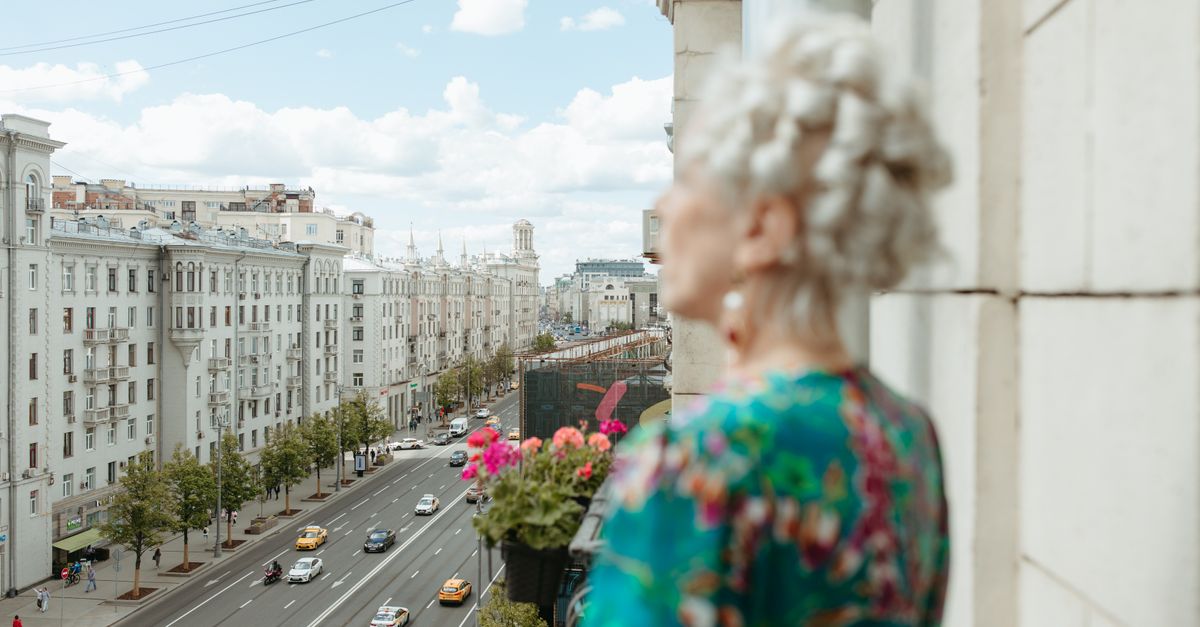
Photo: by Yaroslav Shuraev on Pexels
Summer demand for hotels in Russia: why bookings drop while prices barely change
In June 2024 the number of hotel bookings in Russia fell by 16 %, but the average room rate dropped only 1 %. Discover which destinations stay popular and how tourist behaviour is shifting.
Decline in bookings and price stability
According to data from the TravelLine service, between 9 and 23 June 2024 the total number of hotel bookings across Russia was 16 % lower than the same period a year earlier. At the same time the average price of a double room was about 10 000 roubles, which hardly changed – the drop was only 1 %. This combination of “fewer sales – almost unchanged prices” characterises the current summer season.
The top‑three most sought‑after regions remain the same
Despite the overall dip in demand, the leaders by booking volume are still:
- Moscow – more than 20 % of all orders;
- St Petersburg – around 13 %;
- Krasnodar Krai – roughly 13 %.

Photo: by Ono Kosuki on Pexels
These destinations keep their market share thanks to business trips, short weekend getaways and good transport accessibility.
Why are tourists becoming more cautious?
Analysts note that the decline is not so much about abandoning travel as about a more thoughtful approach to planning. The main signs of the changed behaviour are:
- Booking closer to the check‑in date. Travelers postpone the final decision, waiting for clearer information on weather, transport links and the news environment.
- Lengthier comparison process. Guests spend more time studying options, comparing prices, conditions and reviews.
- Waiting for the situation to evolve. The state of transport, weather and external factors influences the readiness to purchase.
These trends are confirmed by data from Kommersant, which showed a reduction in booking depth in June, especially for key resort destinations.
Impact of a strong ruble and competition from abroad
A strong ruble makes trips abroad more affordable, which has affected demand for traditional Russian resorts. Tourists compare southern Russian cities (Sochi, Anapa, Gelendzhik) not only with each other but also with popular overseas spots – Turkey, Egypt, the UAE, Thailand and Vietnam. When the price gap narrows, part of the audience prefers the familiar logistics and “sea abroad”, putting additional pressure on Russian beach resorts.
How can hoteliers survive a “nervous” season?
Shallower booking pipelines make it harder to plan occupancy, procurement and staffing. In these conditions hoteliers look for a balance between attracting guests and preserving margins:
- Targeted promotions on weak dates help fill rooms without causing a sharp revenue drop.
- Flexible rates allow prices to be adjusted to current demand without massive discounts.
- Special offers for families, short trips and business clients become an important tool for retaining demand.
It is worth noting that we are not facing a total collapse of the summer season. The market is shifting toward a more cautious model where tourists decide closer to departure, focus on practicality and compare alternatives.
Who benefits in the new environment?
In a climate of heightened uncertainty, the winners are destinations where:
- Logistics are simple. Direct flights, convenient rail connections and accessible roads lower the barriers for quick purchases.
- Prices are transparent. Clear tariffs without hidden surcharges increase traveller confidence.
- Booking confirmation is instant. The ability to receive immediate confirmation without long waits makes an offer more attractive.
For large cities such as Moscow and St Petersburg, demand is sustained by business travel, cultural events and short weekend outings. Southern regions keep their positions but feel competition both domestically and from foreign resorts.
What to expect in July–August?
Experts believe the market will try to compensate for the cautious June with stronger demand in July and August. However, the final outcome will depend on how quickly tourists make travel decisions, as well as on external factors – weather conditions, transport restrictions and the news backdrop.
Practical tips for travelers
- Plan flexibly. Allow date changes without penalties – this lets you take advantage of last‑minute deals.
- Compare options. Use aggregators to see price and condition differences both inside Russia and abroad.
- Pay attention to logistics. Choose destinations with good transport links to minimise travel time and costs.
- Watch for promotions. Spot‑on discounts may appear during low‑occupancy periods – subscribing to hotel newsletters helps you catch them.
In short, the 2024 Russian summer tourism season is characterised by more prudent traveller behaviour, a modest drop in booking numbers and almost unchanged prices. The market is expected to adapt in the coming months, offering flexible conditions and focusing on simple, transparent logistics.
Based on materials from: trn-news.ru.
Ready to go to Russia?
Sign up and find cheap flights right in the chat with our bot.