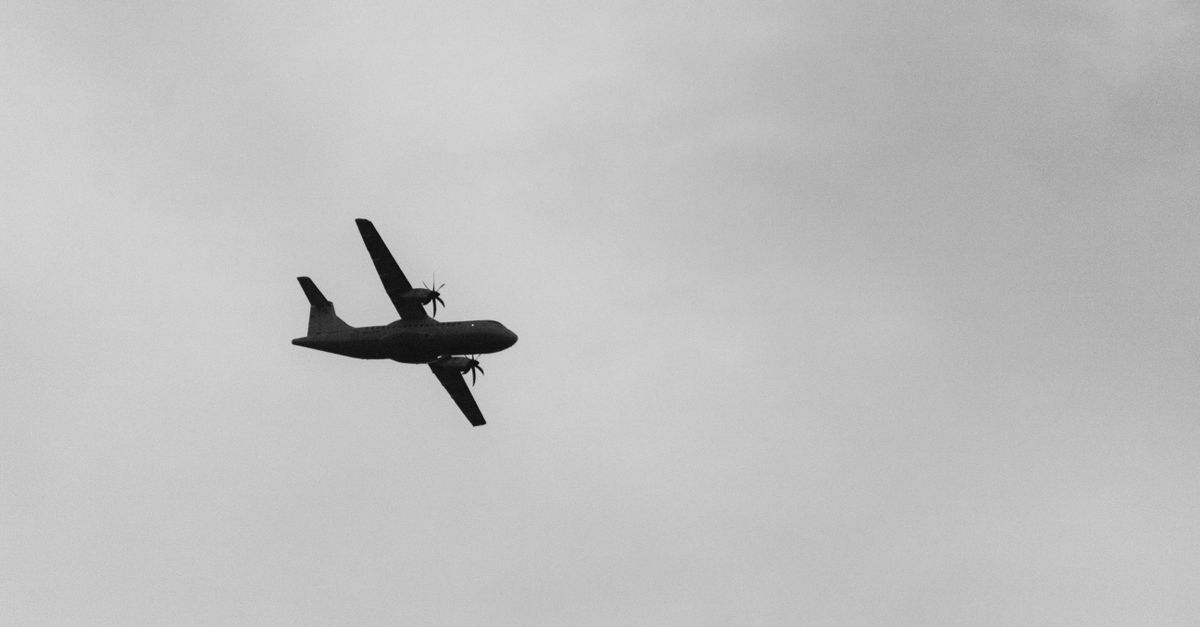
Photo: by Nicolás Rueda on Pexels
New flight restrictions over Moscow: what changed for passengers and airlines
Since mid‑July a ceiling of 4,900 m and a ban on transit flights have been imposed over the capital’s airspace. How this has affected schedules, fuel consumption and flight safety – see the article.
What exactly changed in the flight rules
From July 11, in the zone covering Sheremetyevo, Vnukovo and Domodedovo, Rosaviatsiya lowered the maximum allowed altitude for civil aircraft to 4,900 m (about 16,000 ft). At the same time a ban on transit flights through this area was introduced. The restrictions are officially in force until August 12, but an extension is expected.
Why the measures were taken
The Ministry of Defence pushed for the limits, citing a rise in threats in the airspace since spring. Dropping the flight level and banning transits lets authorities react faster if needed and reduces the number of aircraft flying over the capital.
How the previous rule looked
Earlier pilots entered the Moscow zone at altitudes between 8,250 m and 8,550 m, breaking the flight into several levels depending on direction. In practice, aircraft from the south and southeast descended to 5,500 m, while those from the east and north went down to 6,700 m. Now the ceiling is the same for everyone – 4,900 m.
Consequences for airlines
Flight time
The lower altitude forces planes to stay longer in the high‑load zone. Experts estimate the extra time over the capital can be from 20 to 30 minutes, and in some cases more than half an hour.
Fuel consumption
At lower heights engines are less efficient: fuel burn rises and true airspeed drops. Estimates vary – some say a 5‑10‑minute delay could be just measurement error, others record an addition of 15 minutes or more, and a third group notes a cost increase that will only become clear after the month’s data are compiled.
Ticket prices
Big airlines can still absorb the extra costs into the fare without a sharp jump. Dropping transit flights if the restriction lasts a long time is seen as unlikely, because losses can be offset by a modest fare rise.
How the restrictions affect safety
Bird strikes
Lowering the flight level to 4,900 m raises the chance of encountering large birds, which often fly above 2,000 m. Pilots note the risk climbs, especially on prolonged low‑altitude legs. Still, most strikes happen during take‑off and landing, and their frequency depends on season and how close residential areas are to the airports.
Altitude management
A limit of 160 flight levels (about 4,900 m) doesn’t mean every flight will cruise exactly at that height. Controllers pick a specific level, taking into account traffic density, noise restrictions and current conditions.
What passengers should know
- Flight time – a modest increase in the segment over Moscow may add 20–30 minutes to the overall journey.
- Comfort – flying lower can feel a bit noisier, but it doesn’t compromise safety.
- Tickets – major carriers aren’t planning big price changes yet, though small surcharges are possible.
- Planning – if your flight is scheduled to transit the Moscow zone without landing, check whether it will be rerouted around it.
How airlines are adapting
Shifting most flights to a more economical cruise level is already being done outside the Moscow control area. That cuts fuel waste, but it requires tighter route and time calculations. Some airlines are already seeing higher expenses, yet final numbers will only appear after the restriction period ends.
Outlook for further regulation
Since the limits were initially set to run until the end of August and an extension is being discussed, it’s likely the rules will stay in place through the fall. If the airspace situation stabilises, the limits could be eased. For now airlines and pilots are getting used to the new regime, and passengers are adjusting to the slight delays.
Information is based on official Rosaviatsiya statements and analysis from industry experts.
Based on materials from: trn-news.ru, frequentflyers.ru.
Ready to fly to Russia?
Sign up and find cheap flights right in the chat with our bot.