Photo: by Go Journal on Pexels
Why Aeroflot Cut Domestic Flights Amid Peak Summer Demand
In July 2026 Aeroflot reduced the number of domestic flights while boosting its international routes. The reasons are airport restrictions caused by drone activity and a shift of aircraft to more profitable long‑haul services.
Cutting domestic flights at the height of the season: what’s happening?
In July 2026 the largest Russian carrier noticeably trimmed its domestic schedule. Official figures show that the number of passengers traveling within the country fell by roughly six percent, ending up just over four million people. At the same time, the international flow rose by almost twenty percent, reaching about one and a half million passengers. The total passenger count for the month slipped a little, but it still stayed high – around five and a half million.
Why did the airline make this move?
Airport operating restrictions
The main driver was a set of limits imposed at several major airports. On various days in July, flights were temporarily halted or curtailed at hubs such as Moscow’s Vnukovo, Domodedovo and Sheremetyevo, St. Petersburg’s Pulkovo, as well as the airports of Sochi, Krasnodar, Gelendzhik, Kazan, Samara and a few others. The restrictions stemmed from a surge in unmanned aerial vehicle activity, which required extra safety measures and forced timetable adjustments.
Shifting capacity toward international routes
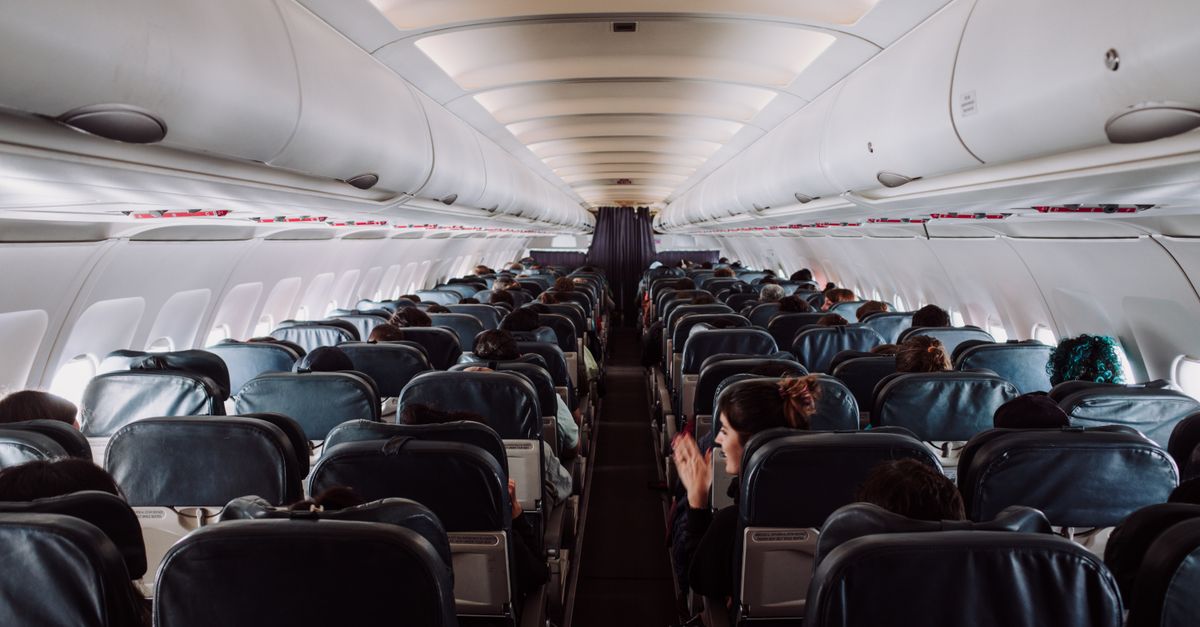
The second, economic motive was a reshuffle of the carrier’s traffic mix. Aeroflot is gradually moving aircraft from short domestic legs to longer international ones. Long‑haul flights generate more revenue per aircraft, so the airline is keen to fill them as tightly as possible. In July the seat‑load factor topped ninety‑one percent, a clear sign of packed cabins.
How does the picture look over the half‑year?
Looking at a longer stretch – January through July – the domestic network has already trimmed its volume by almost four percent, while international routes have grown by nearly twelve percent. June saw a sharp drop in domestic flights, down fifteen percent, and July’s decline eased to about six percent, which can be read as a modest softening.
What does this mean for travelers?
Higher fares and limited availability
Fewer domestic flights during a period of traditionally strong demand can push ticket prices up. With reduced flight frequency, passengers are forced to pick pricier options or rearrange their plans. The effect is felt most by those who had hoped to vacation in Russia’s popular resort regions.
Logistical headaches
The cutback adds extra friction for tourists who rely on air travel as their main mode of transport. When connections are needed, the choice of flights narrows and delays become more likely, making itinerary planning tougher. This is especially relevant now that road trips are already suffering from rising fuel costs.
Turning eyes abroad
On the flip side, the surge in international traffic opens new possibilities for anyone willing to look beyond Russia’s borders. More tightly booked overseas flights mean they run more often, even if prices stay elevated because of the higher demand.
How to prepare for a trip under the current conditions?
- Watch the schedule – with frequent timetable tweaks, check the latest flight information right before you buy a ticket.
- Consider alternative airports – if your usual departure point is constrained, it can be cheaper to fly out of a nearby airport with looser restrictions.
- Book early – limited flight numbers can drive prices up, so securing a seat in advance often saves money.
- Stay flexible – if your route allows several options, pick the one with the lowest chance of changes.
Bottom line
Aeroflot’s reduction of domestic flights in July 2026 is the result of a mix of operational airport limits and a strategic shift of resources toward more profitable international routes. For travelers, this translates into a need for tighter planning, possible fare hikes and the necessity to weigh alternative ways of getting around. At the same time, international routes become denser, offering fresh opportunities for those ready to fly farther.
Based on materials from: trn-news.ru.
Ready to go to Russia?
Sign up and find cheap flights right in the chat with our bot.