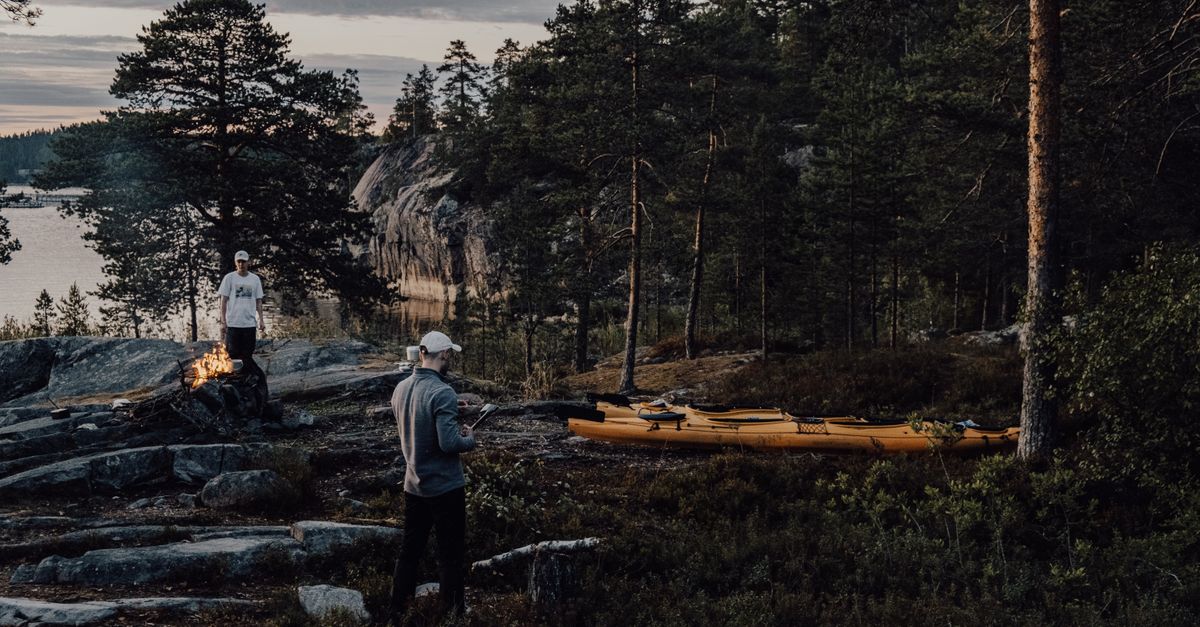
Photo: by Alena Beliaeva on Pexels
Cool Vacation in Russia: From “coolcation” to the 2030 Goals
Tourists are increasingly shunning hot beaches for Russia's northern and mountain regions. How the “coolcation” trend is forming, which places are now in the spotlight, and what the state plans for domestic tourism up to 2030?
What "coolcation" means
The term "coolcation", borrowed from international tourism slang, denotes a holiday in places with moderate temperature. In Russia it became a response to rising summer heat in traditional resort zones and to travelers' wish to spend time in comfortable climate conditions. According to experts, this is not a fleeting spike but a lasting shift in preferences, already reflected in booking statistics.
Why Russians choose coolness
- Climate factor – rising temperatures at popular seaside resorts make them less appealing for those who want comfort without exhausting heat.
- Environmental awareness – interest in trekking, hiking and other active pursuits is growing, where nature takes centre stage.
- Comfort and safety – tourists are ready to pay more for solid infrastructure, reliable service and quick access to the destination.
Studies show that almost a third of travelers this summer deliberately skipped hot coasts in favour of cooler regions. That confirms that demand for an "Alpine summer" and Scandinavian‑style holidays is gaining momentum.
Key destinations within Russia
Karelia
The north‑western region draws visitors with its lakes, forests and opportunities for kayaking and foot‑hiking. Summer temperatures stay mild, and the landscape is almost untouched.
Altai
The mountain range has long been a favourite of trekkers. Today it leads the state tourism‑development programme: both domestic and foreign visitors come for the mix of scenic vistas and growing infrastructure.
Baikal
The lake with its unique ecosystem offers a range of activities – from boat rides to mountain climbs in the surrounding ranges. Water and air temperatures in summer stay comfortable for most travellers.
Murmansk Oblast
The Arctic region provides polar lights, sea trips and a chance to see wildlife in its pristine state. Summer here is short but cool, making it ideal for those after a "northern getaway".
These regions already can compete with overseas spots on service level and price, thanks to upgraded local resorts and better transport links.
How the tourism market is changing
Booking‑platform data indicate that one in five summer trips in Russia now is a short weekend getaway. Such tours often pick natural sites where a quick "recharge" is possible without long transfers. New offers appear: eco‑tours, patriotic routes and projects aimed at families.
State support and goals to 2030
During a visit to the year‑round resort of Manzherok in the Altai Republic, Prime Minister Mikhail Mishustin announced ambitious targets: by 2030 tourism’s share of GDP should reach five percent. Today the sector already contributes over three percent, and total trips inside the country have topped 43 million, including more than three million foreign visitors.
- Simplified investment conditions for new hospitality projects.
- Development of transport infrastructure that shortens travel time to remote areas.
- Support for ecological and patriotic tourism, including the creation of specialised centres where veterans can share experience.
Special attention goes to the “SVOy path” project, which blends patriotic youth education with involving veterans as instructors. This widens the range of services and makes tourism more multidimensional.
What tourists can expect in the new setting
- Richer choice – from mountain hikes to lake kayaking, from watching the northern lights to exploring historic centres.
- Higher service level – new quality standards, better internet and mobile coverage in remote spots.
- Safety and comfort – clear rules for entrepreneurs that guarantee return on investment, and more reliable transport routes.
When planning a trip, keep seasonal quirks in mind: northern regions have a shorter summer but pleasant temperatures, while Altai and Baikal let you pair active pursuits with a chance to unwind by the water.
Practical tips
- Pick a region based on activity type – Altai suits trekking, Karelia or Baikal are better for water fun.
- Book early – popular spots fill up quickly once the season peaks, and early planning can save money.
- Mind transport – check for direct flights or convenient rail connections, especially for a short break.
- Pack gear – even in moderately warm weather mountains can turn chilly, so bring warm clothes and sturdy shoes.
- Watch the environment – choose operators that practice sustainable tourism to keep the places beautiful for the next generation.
A cool vacation in Russia is no longer an alternative – it has become part of a new travel mindset, backed by both visitor demand and state initiatives. Choosing Karelia, Altai, Baikal or Murmansk Oblast lets you blend comfort, active recreation and a glimpse of the country’s unique corners.
Based on materials from: trn-news.ru.
Ready to go to Russia?
Sign up and find cheap flights right in the chat with our bot.