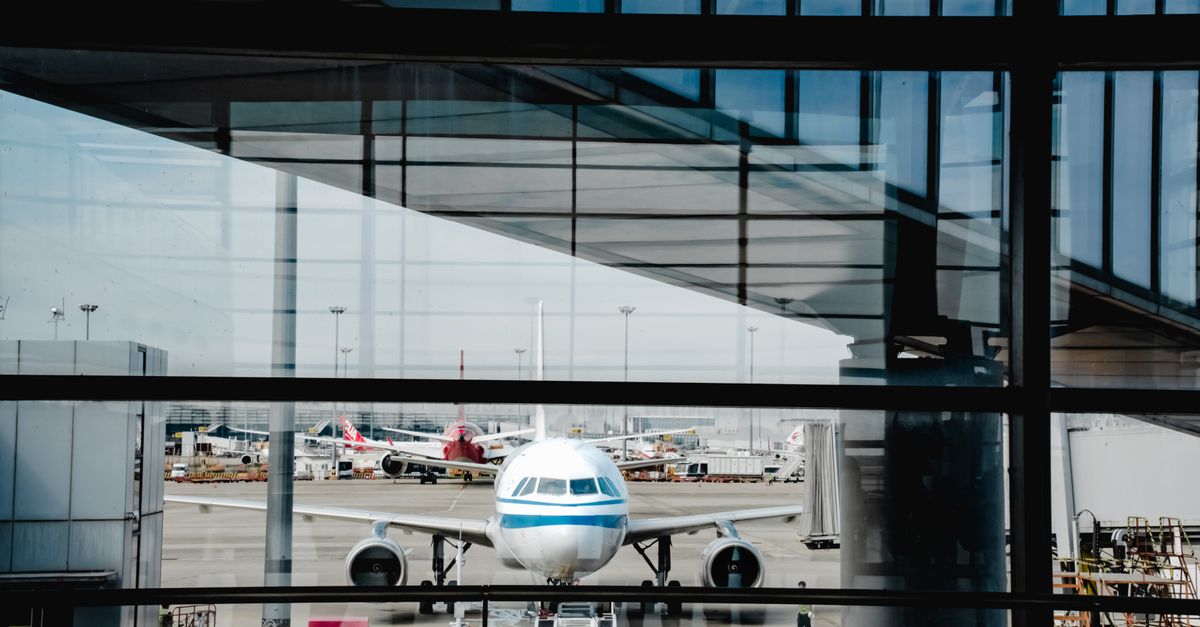
Photo: by dongfang xiaowu on Pexels
EU Sanctions on Sheremetyevo and Three Regional Airports: What Changes for Travelers
The European Union has imposed restrictions on Sheremetyevo as well as the airports of Ulyanovsk, Rostov‑on‑Don and Mineralnye Vody. Find out how these measures will affect services and flight plans.
What’s in the 21st sanctions package
At the end of July the EU announced a fresh set of restrictions that hit four Russian airports: the main Moscow hub and the airports in Ulyanovsk, Rostov‑on‑Don and Mineralnye Vody. Brussels says these facilities are used to move goods and technologies linked to the defence sector, so they fall under the transport‑related sanctions block.
Besides the airports, the package touched a wide range of targets: dozens of individuals, hundreds of companies, almost a hundred banks, several seaports and a major energy‑resource supplier. For the first time the EU added crypto‑related services to the list, arguing that they help bypass the restrictions.
How the restrictions work in practice
The core of the measures is a ban on European companies providing any services to the listed airports. That covers software supplies, terminal equipment, construction and infrastructure upgrades, as well as cargo‑handling work and fee collection. In effect, European vendors are cut off from these four hubs.
Official reaction from the airports
The administration of the biggest Moscow airport rejected the accusations, saying it is a civilian transport node that handles both passenger and cargo flights and will keep operating as usual. According to them, all operations will meet safety requirements and cooperation with partners from other countries will continue.
What this means for passengers
Experts say the direct impact on travellers will be minimal. Regular flights between Russia and EU countries have been suspended for a long time, so the new limits are unlikely to change the schedule of existing routes.
- Airlines from China, Central Asian states, India, Iran and other regions generally keep serving the affected airports.
- Passengers aiming for Europe already use transit hubs in Turkey, Armenia and elsewhere, and can fall back on Moscow’s Vnukovo airport if needed.
- Losing European suppliers could make long‑term terminal modernisation harder, but Russian airports have been operating under import substitution for several years and are hunting for alternatives.
Outlook and conclusions
The sanctions increase pressure on the infrastructure, yet under current conditions they do not lead to an immediate cut in flight numbers or airport closures. Most international traffic has already been rerouted to Asian and Middle‑Eastern destinations, and the domestic market keeps running. The long‑term effect will depend on how quickly Russian operators can replace European technology and equipment with domestic or other foreign sources.
Based on materials from: trn-news.ru.
Ready to fly to Russia?
Sign up and find cheap flights right in the chat with our bot.