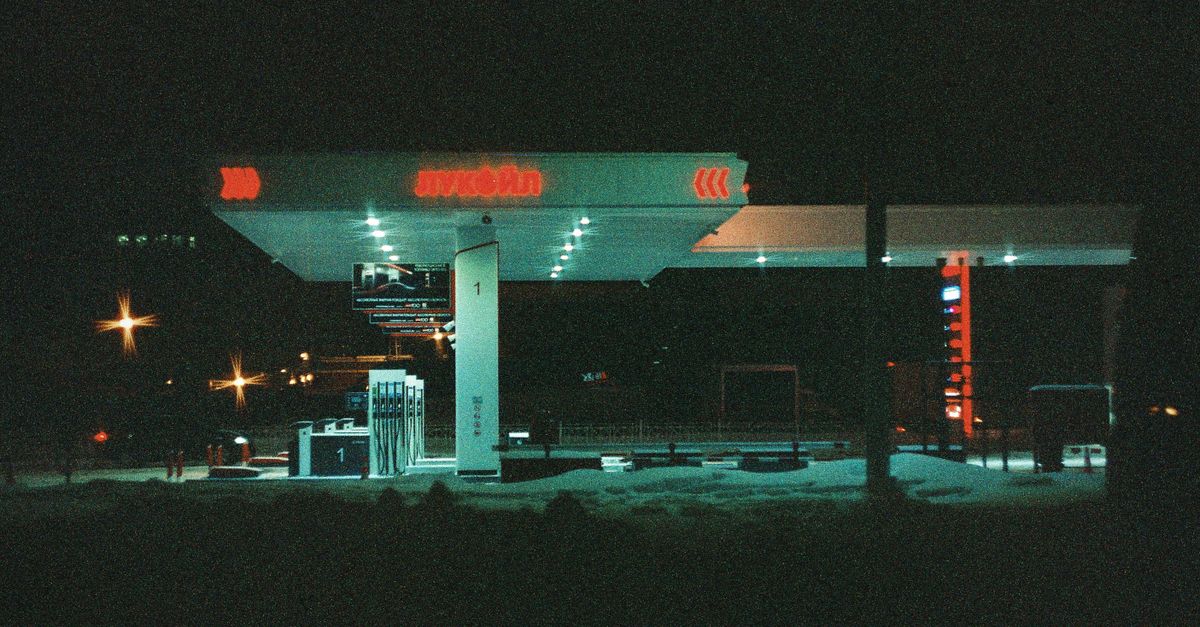
Photo: by Artyom Kulakov on Pexels
Fuel crisis reshapes Russia’s road‑tourism map: where people go instead of by car
Car trips in Russia fell by almost a fifth of the season because of fuel shortages and rising prices. Tourists are turning to trains and planes, and regions with alternative transport are gaining.
How the fuel shock hit domestic tourism
Since the start of the year Russians have made just over forty million car trips around the country – a few percent fewer than in the same period last year. The big change is the growth rate: in June the number of trips already began to drop by almost five percent, and by July the situation worsened further. The reason is simple: supply hiccups and higher pump prices have made long drives in private cars almost unaffordable.
Why the car became vulnerable
For most Russians a private car isn’t just one option, it’s the main way to get to a holiday. Industry experts estimate that about half of all summer journeys start behind the wheel. When a fuel stop turns into a long queue and the price per litre spikes, the logic flips: “refueling is a lottery,” say many road tourists. As a result, 26 % of those who had planned a trip cancelled it, and another similar share trimmed their route or chose a stay closer to home.
Regional differences: who suffered and who benefited
The sharpest decline appears in regions that are reachable almost exclusively by car. Crimea, with limited rail and air links, lost three‑quarters of its tourist flow in five days. Along the Black Sea coast from Novorossiysk to Tuapse drivers waited six‑seven hours at pumps, and many simply gave up the trip.
Conversely, destinations served by train or plane showed growth. Kaliningrad Oblast, where most visitors arrive by rail or air, saw its inflow rise by roughly ten percent. Sochi, thanks to its well‑developed aviation and railway infrastructure, also held its demand.
Switching to other transport modes
A slice of the car‑tourist crowd found alternatives in trains and planes. In Tatarstan, for example, travel agencies note that car trips could drop by 20‑30 %, while those who had planned to drive are re‑routing onto rail or air. The overall volume of travel by people who originally intended to fly or take the train stays about the same – the crisis hit the biggest segment, not the whole market.
How family trips changed
Family tours, where the car was often the most convenient way to reach a beach, also took a hit. The share of such trips in July fell by fifteen percentage points, ending up just over thirty‑five percent of all tours. Parents now weigh more carefully how far they can go without extra fuel stops.
What’s happening on the M4 "Don" highway
One of the key arteries to the Black Sea is the M4 road. In the past two weeks there have been modest improvements in fuel deliveries, but a full recovery is still not guaranteed. Road tourists keep an eye on the news and plan routes with possible pump queues in mind.
How to adapt to the new reality
- Plan the route ahead. Check fuel availability at service stations along the way and factor in possible delays.
- Consider alternative transport. Trains and planes are now more competitive on price and travel time.
- Shorten distances. Pick destinations you can reach and return from without needing multiple refuels.
- Follow fuel‑supply news. Information on stock levels changes quickly, especially in summer.
Looking ahead
The fuel crisis has shown how much domestic tourism in Russia depends on cheap, accessible gasoline. Until supply stabilises, car‑based tourism will stay under pressure, while regions with strong rail and air networks will continue to attract travelers. For tourists, the key is flexibility and the willingness to tweak plans according to the real situation on the roads.
Based on materials from: trn-news.ru, atorus.ru.
Ready to fly to Russia?
Sign up and find cheap flights right in the chat with our bot.