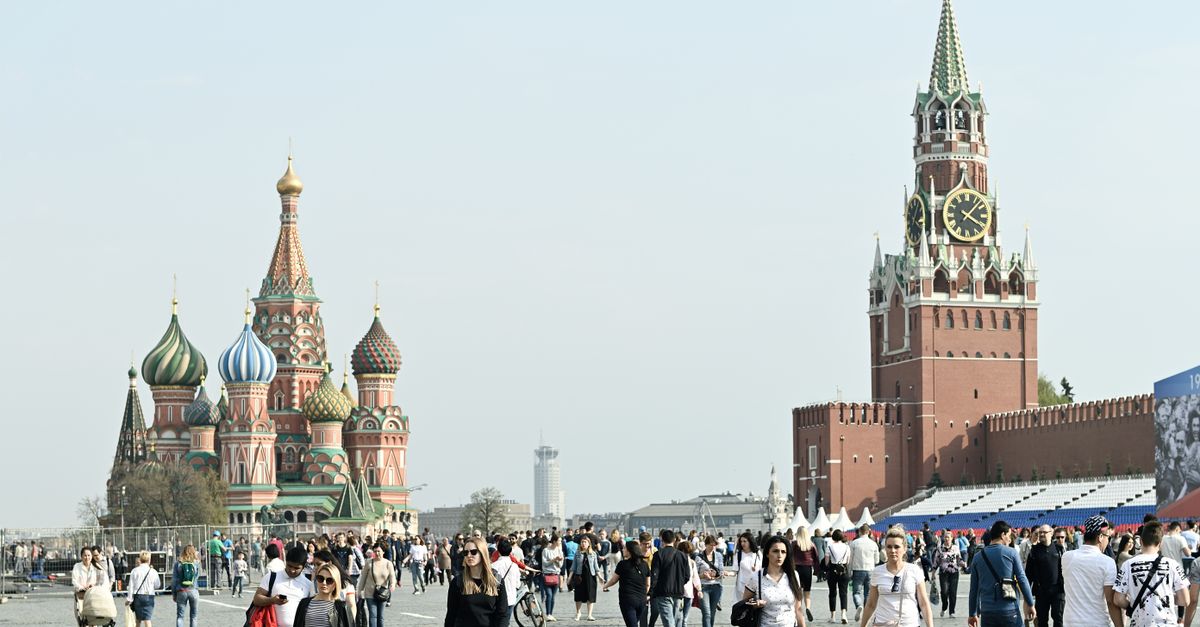
Photo: by Roman Verton on Pexels
Tourism between Russia and China: Record Growth and New Challenges in 2026
In the first quarter of 2026 the flow of tourists between Russia and China doubled, reaching 825 000 trips. Despite the success, experts see obstacles in border‑crossing car restrictions and a shortage of direct flights.
A double jump in three months
Official statistics show that in the first three months of 2026 Russians and Chinese made more than 800 000 trips together – twice as many as the same period last year. The surge became possible after a visa‑free regime was introduced and tourism ministries on both sides opened a steady dialogue.
How the flows have shifted
- From Russia to China – the number of trips rose by roughly sixty percent. Russian travellers are increasingly heading for Beijing, Shanghai and the natural corners of northern China.
- From China to Russia – growth sits at about twenty‑three to twenty‑five percent. By the end of the quarter Chinese visitors outnumbered all others, reaching 154 000 people, a 44 % jump over the previous year.
- Turkmenistan took second place among Chinese tourists in Russia, with Turkey in third.
What is holding back further expansion
Cars won’t get through
One of the biggest bottlenecks remains the inability to cross the border in private vehicles. Only motorists from partner countries with special agreements can drive across without trouble; Russians and Chinese must rely on rail or air transport.
Direct flights are still scarce
Around sixteen airlines now operate direct connections between the two countries, together offering up to 290 flights a week. Yet many Russian regions popular with Chinese travellers – such as Kamchatka, Altai, Tyumen and the far north – still lack direct flights from China. The reception infrastructure is ready, but air links lag behind.
To tackle this, the Ministry of Economic Development suggested preparing a priority list of regions for new direct routes ahead of the next joint meeting. Officials expect that cooperation with Chinese and Mongolian counterparts will speed things up.
Long‑term ambition: 10 million tourists by 2030
Russia, China and Mongolia have already agreed on a bold target: by the end of the decade the combined tourist flow among the three should hit ten million people. The strategy includes a unified route brand called "Great Tea Route", a nod to the historic eighteenth‑century trade road.
Extending the visa‑free regime until the end of 2027 gives a stable foundation for growth. The Ministry of Economic Development forecasts that 2026 will keep a roughly fifty‑percent year‑on‑year increase, with the summer season – traditionally the busiest for Chinese visitors – giving the numbers an extra push.
What to expect in the coming months
If the current trend holds, more than two million Chinese tourists could arrive in Russia by the end of 2026. That would be a sizeable contribution to the country’s overall international tourism and would deepen economic ties.
For travellers, the picture is brightening: the visa‑free regime simplifies planning, and the expanding flight network gradually makes remote Russian corners more reachable. New direct routes are expected to appear, especially to regions that already have the facilities to welcome Chinese guests.
How to get ready for the trip
- Visa status – the visa‑free arrangement lasts until the end of 2027, so a passport valid for the required period is enough.
- Transport – keep in mind that a private car cannot cross the border without a special permit; plan to travel by train or plane.
- Itinerary – watch for new direct flights, particularly if Kamchatka, Altai or Tyumen are on your list.
- Seasonality – summer draws the most Chinese tourists, but autumn and spring also offer comfortable conditions for touring Russia.
Bottom line
The surge in tourist traffic between Russia and China in 2026 shows how political moves (the visa‑free regime) and business dialogue can quickly reshape a market. Restrictions on car crossings and the lack of direct flights remain hurdles, but concrete steps to remove them are already on the table. If the current course is maintained, joint tourism could become one of the region’s key growth drivers by 2030.
Based on materials from: trn-news.ru.
Ready to go to Russia?
Sign up and find cheap flights right in the chat with our bot.