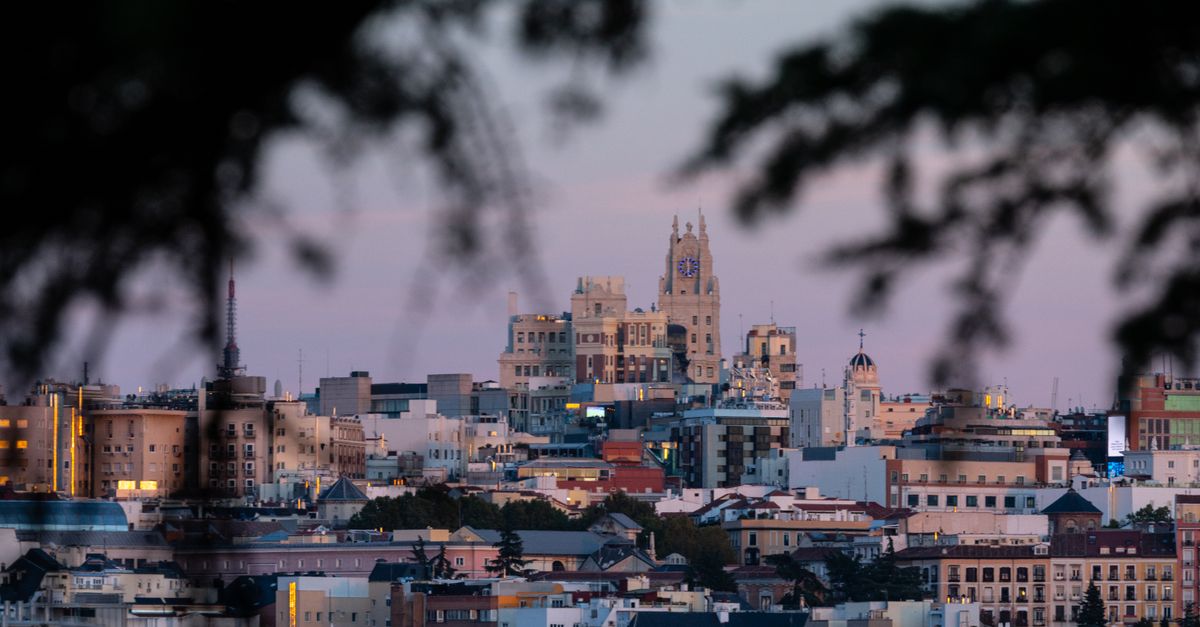
Photo: by Emilio Garcia on Pexels
Forest Fires in Central Spain: How They Affect Travel Around Madrid
In July 2026 massive forest fires broke out in the provinces of Madrid and Ávila, prompting the government to declare a state of emergency. Find out what restrictions are being imposed, how routes are changing, and what officials are advising tourists.
Fires in the Heart of Spain and the Emergency Declaration
At the start of the week several large fire fronts ignited in the central part of the country, engulfing the woodlands around Madrid and the neighbouring province of Ávila. The situation spiralled quickly: by Saturday evening the burned area already covered tens of thousands of hectares, and roughly ninety thousand people had been forced to leave their homes or take shelter in special refuges.
In response, the Spanish government decided to impose a nationwide state of emergency. It is the first time such a decree has been issued in Spain specifically because of a forest fire, and the interior minister took charge of coordinating every response.
Scale and Geography of the Blazes
The biggest hotspots were:
- The fire in the Navaluenga area of Ávila province, which has scorched about twenty‑two thousand hectares;
- The blaze in the San Martín de Valdeiglesias zone of the Madrid region, covering roughly fourteen‑and‑a‑half thousand hectares.
Both fronts are under the single command of the Military Emergency Unit (UME). The rescuers’ main task is to keep the two fire lines from merging, as there are already sections where they are closing in on each other at a distance of about fifteen kilometres.
Causes and Climate Context
Extreme heat – temperatures in some spots have risen to forty‑four degrees Celsius – and strong winds created perfect conditions for the flames to spread rapidly. Scientists link the rise in frequency and intensity of such seasons to climate change: more than a hundred thousand hectares have already burned this year, and 2026 is shaping up as one of the toughest fire seasons in recent decades.
How the Fires Feel in Madrid
The city centre itself has not been touched by flames, but smoke from the fires has reached Madrid, tinting the sky a brownish hue and leaving a distinct smell of burnt wood in the air. Authorities say the health risk is currently low, but they advise people with heightened sensitivity – seniors, children and allergy sufferers – to cut back on time spent outdoors.
Transport Restrictions and Their Impact on Travelers
Because of the fires, some roads leading to the affected zones have been closed, and public‑transport services on certain routes are limited. The most noticeable changes affect the corridors heading west from Madrid toward Ávila – a city famed for its historic centre, a UNESCO World Heritage site.
For anyone planning a road trip through central Spain, it is essential to check the latest road conditions in advance, as restrictions can be imposed at short notice. If your itinerary crosses an area where active firefighting is underway, it is wiser to postpone that leg until the situation stabilises.
Practical Tips for Tourists
- Monitor official sources – keep an eye on updates from Spanish emergency services and embassy advisories.
- Follow local authority instructions – if you are told to stay indoors or limit movement, comply.
- Check road status – before setting off, verify whether the highways you need are open, especially if you plan to travel from Madrid to Ávila.
- Rethink sightseeing plans – postponing visits to towns inside the risk zone makes sense until the fires are under control.
- Limit outdoor exposure – if you find yourself in a smoky area, try to spend less time outside, particularly if you have respiratory issues.
- Contact tour operators and hotels – confirm how the current situation affects your bookings and ask about possible itinerary changes.
What’s Happening in Neighboring Countries
Spain is not alone in battling forest fires right now. Large blazes are also raging in France and Italy across southern Europe. Hundreds of thousands of people have already been evacuated in several states, and some major events – such as a stage of the Tour de France – have been curtailed. This underscores how quickly conditions can evolve, and why official emergency briefings remain the primary guide for travelers.
Bottom Line for Travelers
Even with the state of emergency in place, Spain’s borders stay open and tourist areas untouched by the flames continue to welcome visitors. However, if your plans involve trips into the central regions where the fires are active, be prepared for schedule changes, possible travel restrictions, and the need to adapt your route.
Safety comes first. By staying informed through official channels and keeping a flexible itinerary, you can minimise risks and keep enjoying your journey through Spain, even while part of the country battles a fiery ordeal.
Based on materials from: trn-news.ru.
Ready to fly to Spain?
Sign up and find cheap flights right in the chat with our bot.