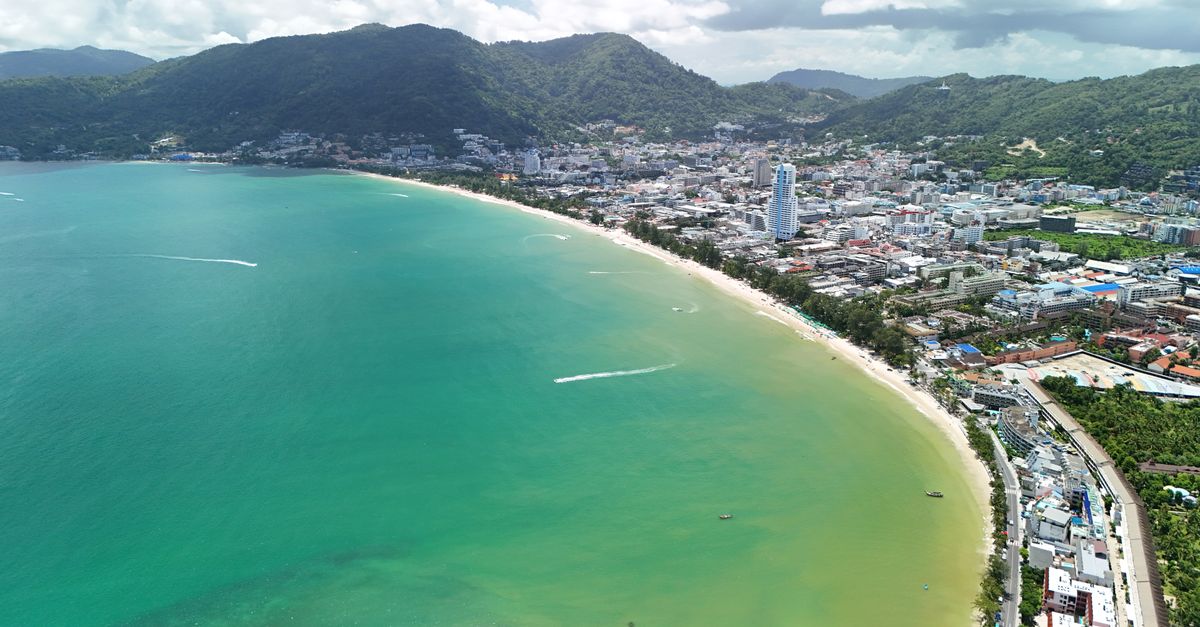
Photo: by Pimon Kumsri on Pexels
Winter Thailand for Russians: visas, flights and beach safety
From 15 September 2026 Russians can stay in Thailand visa‑free for only 30 days, and in the fourth quarter the number of direct flights from Russia dropped by almost a quarter. In addition, dangerous jellyfish are becoming more common off Phuket’s coast.
Visa regime in winter
From 15 September 2026 the old 60‑day visa‑free stay for Russians was cancelled. Now Russian citizens may remain in the country without a visa for 30 days. The rule is based on a 2005 bilateral agreement that outranks domestic acts.
If you need a longer stay, the visa‑free stamp can be extended once at an immigration office. The extension costs 1 900 baht and adds another 30 days, so you can spend up to 60 days in Thailand without applying for a separate visa.
Those who entered before 15 September on a 60‑day stamp may stay until the date written on the document. On the next entry they will receive a 30‑day stamp regardless of when the ticket was bought. Anyone planning to winter for more than two months should arrange a tourist visa in advance.
Air connections: fewer direct flights from Russia
In Q4 2026 the number of direct flights from Russia to Thailand fell 22.5 % compared with the same period a year earlier. At the same time the total volume of international flights into the country rose by about 6 % by year‑end, but the growth lagged behind that of neighbouring Vietnam, Malaysia and China.

Photo: by Optical Chemist on Pexels
Among Thailand’s five biggest source markets, Russia showed the steepest decline. Flights from China, Malaysia, India and South Korea also changed, but not as dramatically. The main routes are Bangkok and Phuket; direct service to Krabi shrank noticeably.
Experts link the cutback to rising fuel prices and the aftermath of floods in several Thai regions, which forced airlines to shift aircraft to more profitable Asian routes. Still, some Russian carriers keep serving Thailand from selected cities: for example, Siam Wings Airlines flies from Krasnoyarsk, Moscow, Yekaterinburg and Novosibirsk to Phuket, Krabi and Utapao.
Beach safety: jellyfish surge near Phuket
At the end of October an unusually high concentration of jellyfish was recorded off Phuket and nearby islands. According to the Department of Marine and Coastal Resources, the last weeks of the rainy season have seen jellyfish numbers – including species dangerous to humans – far above the normal level.
Among the specimens found on the beaches are box jellyfish, whose venom can be lethal. Stings from other jellyfish cause severe headache, fever, swelling and limb pain. Lifeguards at Patong confirm that jellyfish are now noticeably more abundant than usual.
For anyone stung, the first rule is not to rinse the wound with fresh water. First‑aid kits often contain vinegar or aloe juice, but these do not neutralise the venom of all species. In some cases special medicines or anti‑allergy injections are required, so the victim should get to a lifeguard or medical staff as quickly as possible for identification and treatment.
Jellyfish appear every rainy season when waves and currents push them toward the western shore. In May the same year the department warned about dangerous “Portuguese ships” on Karon beach and distributed first‑aid leaflets.
Practical tips for travelers
- Plan your visa: if your holiday exceeds 30 days, apply for a tourist visa ahead of time or consider the paid extension of the visa‑free stamp.
- Watch the flights: with fewer direct services from Russia you may need a layover. Check the latest schedules and be ready for possible route changes.
- Stay alert on the beaches: late October and early November bring a higher risk of jellyfish stings. When warning signs appear, limit swimming and seek help immediately if stung.
- Pack first‑aid supplies: if you intend to stay near Phuket during the rainy season, bring vinegar or aloe gel, but remember they are not a substitute for professional medical care.
Taking the new visa rules, reduced flight options and the jellyfish risk into account means a winter getaway to Thailand requires a bit more forethought. Staying informed about the current regulations and conditions will help you avoid unpleasant surprises and make the trip more comfortable.
Based on materials from: trn-news.ru.
Ready to go to Thailand?
Sign up and find cheap flights right in the chat with our bot.