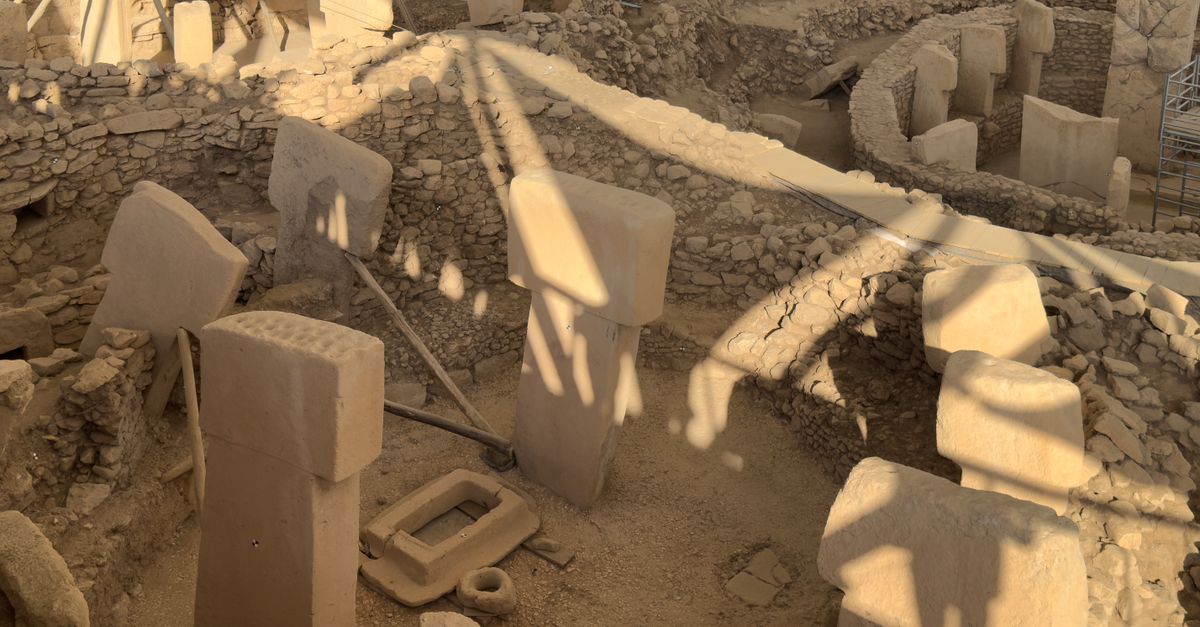
Photo: by Zülfü Demir📸 on Pexels
Turkey: From Ancient Megaliths to Safe Gastronomic Tourism
Turkey surprises: it holds 12 thousand years of history, from mysterious megaliths to the “Turkish Petra”, and tourist illness statistics keep dropping.
Why Turkey belongs on the must‑visit list
Turkey isn’t just beaches and bazaars. Beyond its borders lies a layer of archaeological finds that stretches back several millennia. In two or three days you can spot traces of cultures that predate even Mesopotamia, and you don’t have to worry about your health – recent data show a clear drop in gut‑related problems among travelers.
Ancient footprints in the heart of Anatolia
Göbekli Tepe – the cradle of temple architecture
The country’s most famous archaeological site is Göbekli Tepe. Towering stone pillars, carved with reliefs, date to more than 12 thousand years ago. People often call it a “megalithic temple” because it anticipates the sanctuary‑building tradition that later appeared in Mesopotamia.
Harran – city of winds and stone houses
In Harran you’ll see unique homes with characteristic “sails” – elongated stone façades that seem to catch the desert’s cool breezes. The town is also known for its ancient academy and mosques from the early Islamic period. A stroll through its narrow lanes feels like stepping onto a living page of history.
Ancient monasteries – spiritual oases
Scattered across the mountain ranges are small monastic complexes where frescoes and manuscripts from the early Middle Ages survive in quiet. Their remote locations make them perfect for anyone seeking solitude and a touch of the region’s spiritual heritage.
“Turkish Petra” – rock‑cut dwellings
The nickname hides a rock‑cut complex where living quarters and temples have been hewn directly into the stone. Like the famous Petra in Jordan, the rocks here form an entire settlement carved into the cliff face. The scale and the way nature and human hands have shaped the landscape are striking.
River in the desert – a life‑giving artery
A rare natural phenomenon runs through an arid stretch, creating an oasis amid the sand. Small settlements have sprung up around it, and the water itself reminds us how crucial hydrology was for the ancient peoples who inhabited this part of Anatolia.
How to plan a short but packed trip
- Duration: Two to three days are enough to see the main archaeological points without rushing.
- Transport: Renting a car or joining a local tour group works best – the roads to the sites often lie outside the main tourist corridors.
- Season: Spring and autumn offer comfortable temperatures for walking on open sites and desert scenery.
- Gear: Sturdy shoes, a hat and sunscreen are must‑haves, given how exposed most attractions are.
Health on the road: what insurers say
According to the latest reports from insurance companies, the number of claims by Russian tourists for intestinal infections in Turkey has dropped by almost half compared with the previous year. That signals continuing improvements in food‑service hygiene and hotel standards.
Why the risk is falling
- Product quality control: Restaurants and cafés are inspected more often, and local suppliers are adopting stricter storage and cooking rules.
- Tourist awareness: Travelers are better informed about how to pick safe places to eat – for example, favoring venues with high foot traffic and good reviews.
- Medical infrastructure: Modern clinics operate in the major tourist hubs, ready to provide quick help if symptoms appear.
Practical tips
- Drink only bottled water – even if the hotel tap seems fine, it’s safer to err on the side of caution.
- Skip dubious street food – choose stalls where the cooking happens in view.
- Keep hand hygiene – wash with soap before meals and after using public facilities.
- Carry a basic medicine kit – anti‑diarrheal tablets and pain relievers can be a lifesaver for minor upsets.
What to pack to feel confident
- First‑aid kit: antiseptics, anti‑diarrheal pills, painkillers, plasters.
- Sun protection: high‑SPF cream, sunglasses, hat.
- Comfortable clothing: light layers you can shed in the heat and add for cooler evenings.
- Navigator or map: many archaeological zones sit off the beaten path, so a reliable guide is useful.
Takeaways from traveling ancient Turkey
Turkey offers a rare mix: archaeological treasures that reveal millennia of history, and modern infrastructure that lowers health risks. In a few days you can stand among the megaliths of Göbekli Tepe, feel the scholarly spirit of Harran, relax in the shade of remote monasteries, and admire rock‑cut dwellings that echo Petra. At the same time, better sanitation practices make worries about food poisoning increasingly irrelevant.
When you plan the trip, follow your own interests, but remember that even a short excursion to these sites will leave vivid impressions and won’t demand extraordinary health precautions. Turkey is ready to surprise and please, provided you travel smart and bring a modest set of practical tips.
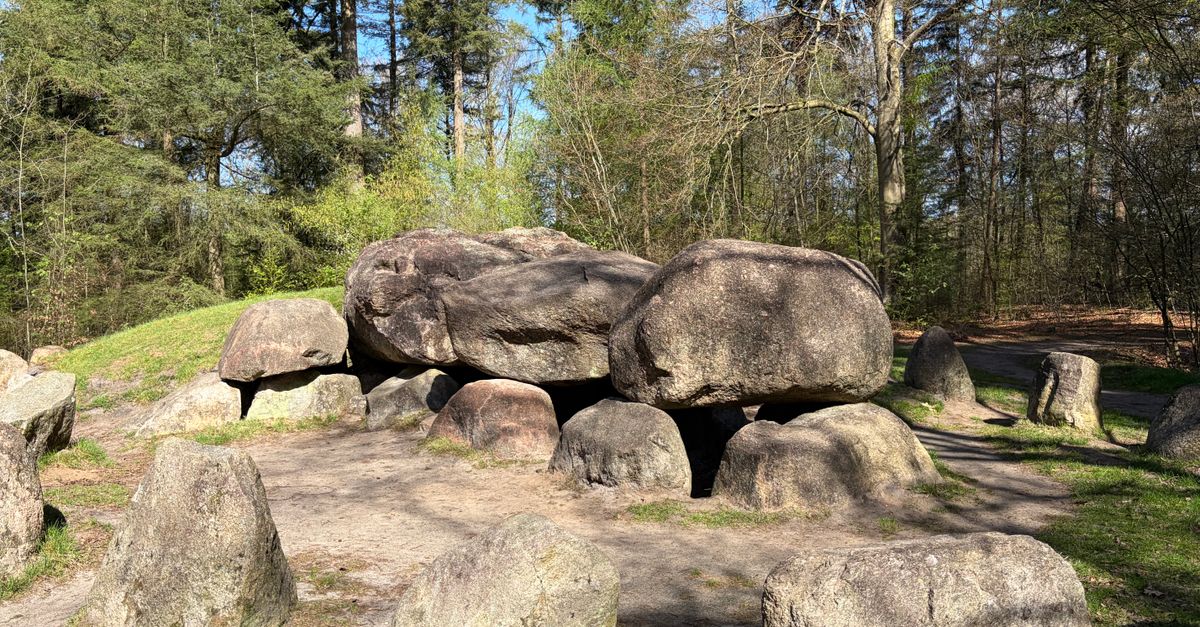
Photo: by Isabelle K. on Pexels
Based on materials from: atorus.ru.
Ready to go to Turkey?
Sign up and find cheap flights right in the chat with our bot.