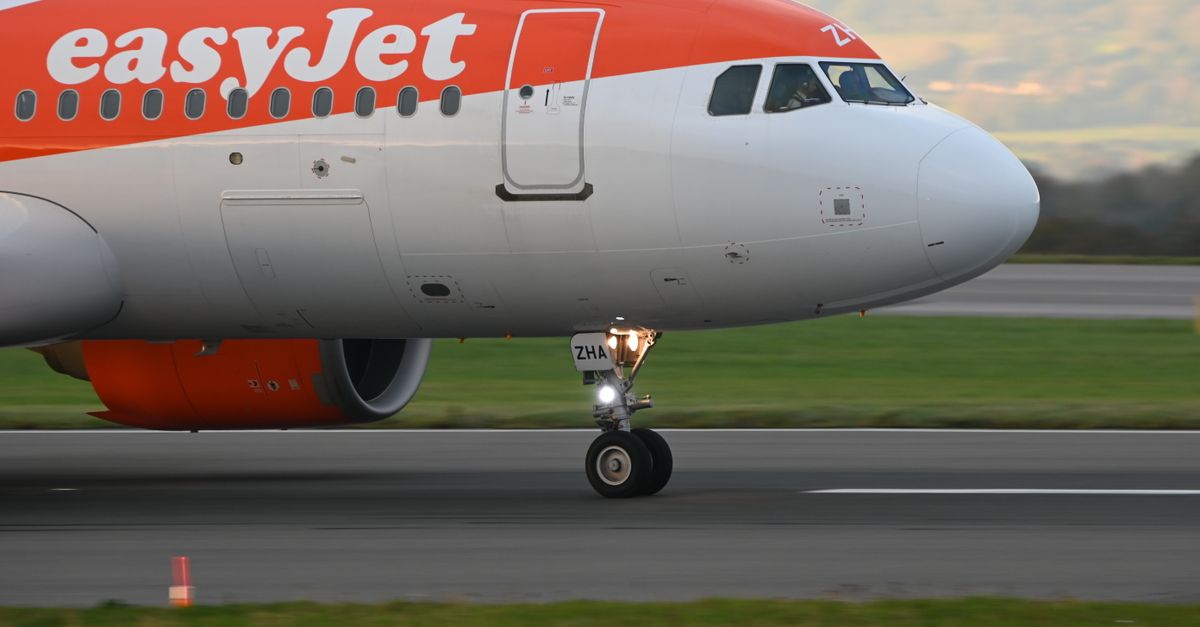
Photo: by Wayne Jackson on Pexels
Sale of easyJet to an American investor: why the deal is unusual
British low‑cost carrier easyJet, hit by rising losses, agreed to sell to US investment firm Castlelake for about £5.2‑5.5 bn. We’ll look at what lies behind the transaction and how it could affect the UK airline market.
Tough times for easyJet
The British low‑cost airline, famous for cheap European hops, found itself in financial trouble in the first half of this year. Losses swelled by almost a third, reaching several hundred million pounds. That jump in the red forced the board to hunt for ways to steady the ship.
Why a buyer had to be found
Falling revenue and climbing costs – a familiar picture for airlines fighting fierce competition and volatile fuel prices. For easyJet the picture darkened because a chunk of income normally generated by business‑class seats and extra services was capped. The result: a reported loss of roughly £377 million, a clear call to action.
The Castlelake deal
Under pressure from investors and lenders, easyJet announced it was ready to sell. The partner turned out to be US investment fund Castlelake, which put a valuation on the airline between £5.2 bn and £5.5 bn (about $7.3 bn). The agreement would hand control of the carrier over to the fund, but the exact shape of future management remains under wraps.
What makes this deal special
Most airline buyers are other carriers or large conglomerates already operating in the sector. In easyJet’s case the purchaser is an asset‑management fund, not a flight‑operator. That “outside‑industry” profile raises questions about the strategies that will be used to pull the airline out of its slump.
Possible development scenarios
- Investment‑focused approach – Castlelake could zero in on cost cuts, fleet reorganisation and a rethink of the route network, aiming to steer the company back to profit.
- Partial asset sale – if needed, the fund might look at offloading individual business units, such as rights to specific routes or leasing contracts.
- Preparation for a public listing – once the finances stabilise, an IPO with a fresh valuation could be on the table.
Each path will ripple through to passengers, from ticket prices to the reshuffling of flights.
How it could affect travel inside the UK
easyJet holds a sizable slice of the budget‑flight market, serving both domestic and international routes. Any shift in its strategy may touch the availability of cheap tickets. If the new owner leans hard on cost reduction, fares could become more competitive. On the other hand, a route‑network overhaul might see some marginal destinations disappear.
What travellers should keep in mind
- Tickets: in the short term prices are likely to stay where they are, but watch for promotions that could pop up as the airline tries to win customers back.
- Service: changes to the onboard experience will probably be gradual; core services like online check‑in and basic baggage allowance should remain.
- Flexibility: when you plan a trip, double‑check refund and date‑change policies, as airlines sometimes tweak the rules during restructuring periods.
Final thoughts
The sale of easyJet to an American investment fund is a rare illustration of how financial stress in aviation can draw capital from outside the industry. While the exact governance model is still a mystery, one thing is clear: the airline will push to regain profitability, and passengers can expect a mix of stable low fares and possible tweaks to the route map. Keep an eye on the news to see how this deal shapes your next flight across Europe.
Based on materials from: frequentflyers.ru.
Ready to go to United Kingdom?
Sign up and find cheap flights right in the chat with our bot.