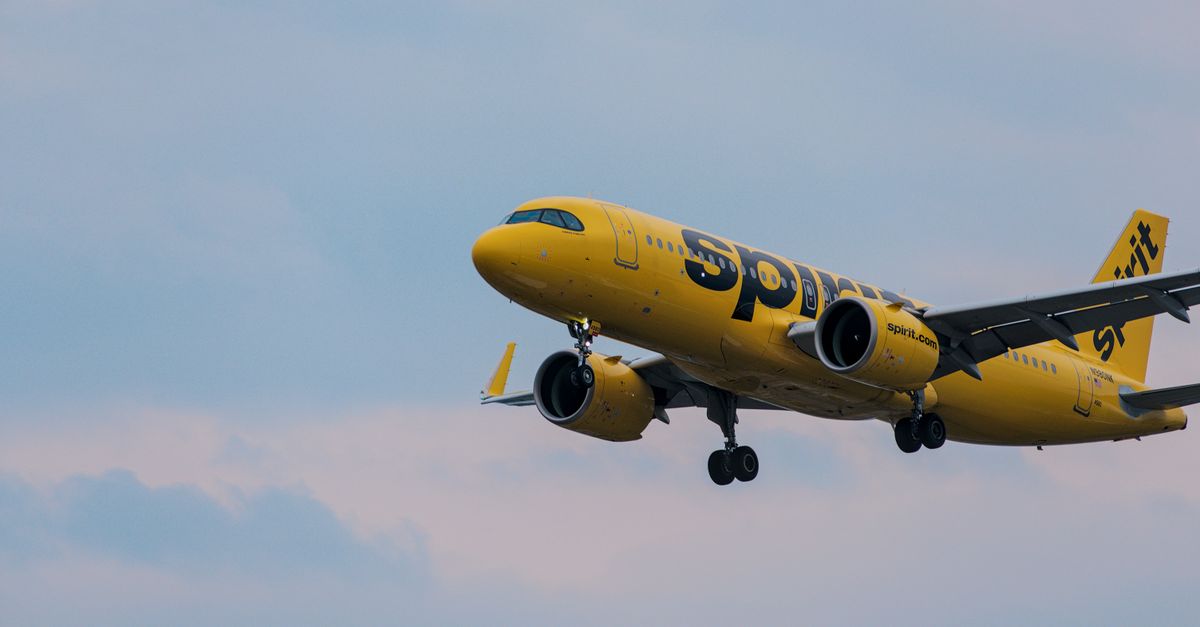
Photo: by Mehmet Suat Gunerli on Pexels
Google bought Spirit Airlines for $10 million: what’s behind the deal
Bankruptcy filings revealed that Google won the auction for the US low‑cost carrier Spirit Airlines, paying just ten million dollars. Why the tech giant is eyeing airline operations and what it could mean for travelers?
How the purchase happened
On August 14, a document filed in Spirit Airlines’ bankruptcy case confirmed that the auction ended with Google as the winner. Under the terms, the company is ready to put up ten million dollars. That’s a tiny figure for the airline industry, where deals usually run into hundreds of millions. Still, the very fact that a tech behemoth showed up among the bidders has already caught analysts’ attention.
Why Google got interested in a low‑cost carrier
- Access to travel data. Running a search engine and booking services, Google already gathers massive amounts of flight information. Owning an airline would give it a direct line to operational data, which could sharpen recommendation and pricing algorithms.
- Service integration. Plugging flights into Google Maps, Google Pay and its advertising products makes sense. A passenger could plan a trip from search to payment without leaving the familiar apps.
- Experimentation with new tech. Testing process automation, AI‑driven scheduling or even speculative projects involving drones is easier when you control your own operator.
What could change for passengers
The specifics of how Spirit will be run are still unclear, but a few directions are plausible:
- Better user experience. Integration with Google services could simplify flight search and booking, and deliver more personalized offers.
- Price optimisation. Access to analytical tools might allow more flexible fare adjustments, reacting to demand in real time.
- Tech‑driven innovations. Pilot projects on automated check‑in, biometric verification or chat‑bot customer support could appear.
Outlook for the low‑cost market
Photo: by Tuan Vy Spotter on Pexels
The deal shows that even modest sums can become strategic assets in the hands of tech firms. If Google really intends to grow an airline business, rivals may follow suit – either by seeking tech partners or by investing in their own digital upgrades.
For the sector as a whole, such a move could speed up the rollout of new services, make pricing more transparent and improve customer interaction. The lingering question is how quickly a giant like Google can adapt to the aviation world, where safety and regulation are non‑negotiable.
What travelers should keep in mind
- Possible ticket‑policy changes. A new owner might introduce different rules for cancellations or flight changes.
- Brand continuity. No official word on rebranding yet, so current offers and loyalty programmes are likely to stay as they are.
- Stay informed. Major changes are usually announced in advance, so it’s worth following Spirit’s and Google’s official channels to catch updates.
Bottom line: buying Spirit Airlines for ten million dollars is less a financial transaction than a signal that the line between technology and traditional industries is blurring. Travelers can expect their online searches to be more tightly linked to actual tickets, and the low‑cost sector to get a fresh push toward digital transformation.
Based on materials from: frequentflyers.ru.
Ready to go to United States?
Sign up and find cheap flights right in the chat with our bot.