Seven Little‑Known U.S. State Parks Where You Can Feel the Scale of National Reserves
Discover seven scenic state parks whose breathtaking landscapes, hiking and biking trails, rafting, and wildlife rival famous national parks—without the crowds.
Why State Parks in the U.S. Deserve Your Attention
When you think of traveling across America, the first names that come to mind are the national parks—Yellowstone, the Grand Canyon, Yosemite. Their fame is well earned: unique landforms, rich flora and fauna, and well‑developed infrastructure. But popularity also means congestion, especially during peak season. State parks often stay in the shadows, yet they offer equally spectacular scenery and opportunities for active recreation. Managed by individual state agencies, they usually have more flexible fee systems and fewer strict restrictions, making them an excellent choice for anyone seeking solitude.
What the Seven Parks Have in Common
All seven parks featured below share these characteristics:
- Impressive panoramic views – from rugged mountain ranges to coastal cliffs, from desert canyons to dense forests.
- A wide range of outdoor activities – marked hiking routes, bike trails, rivers suitable for rafting, and areas for wildlife watching.
- Relatively low visitor numbers – their lesser‑known status lets you enjoy nature without crowds.
- Developed yet uncrowded facilities – basic services such as parking lots, visitor centers, and simple campgrounds are available.
Quick Overview of Each Park
1. Park with Scenic Mountain Peaks
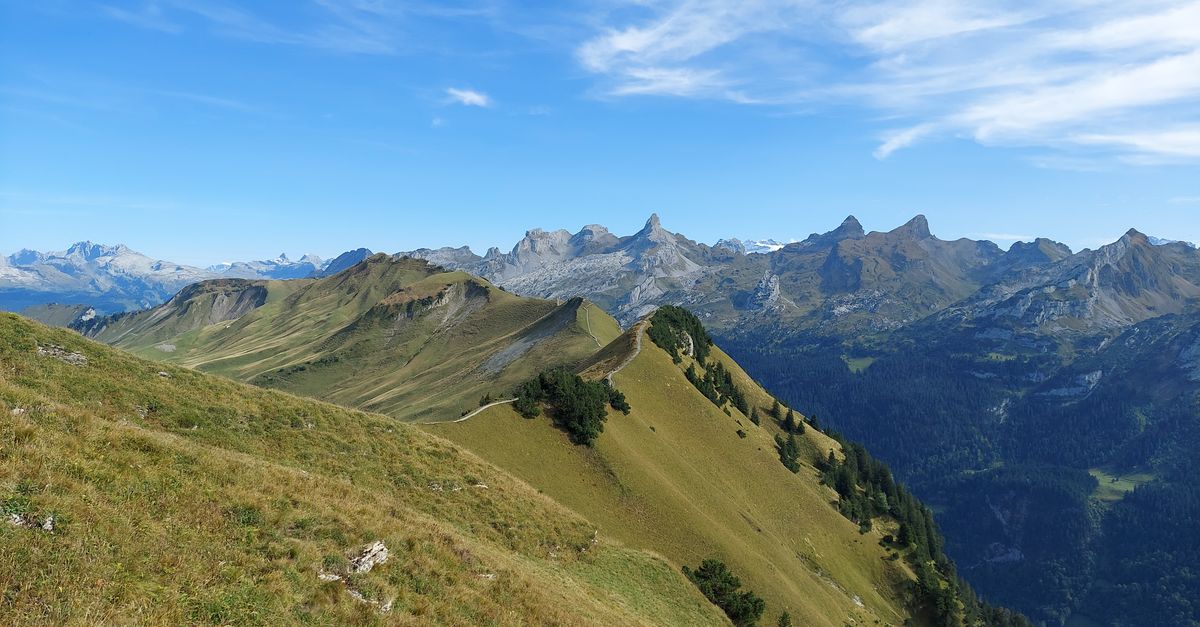
Photo: by Rishav Shaw on Pexels
This park dazzles with rocky ridges and alpine meadows. Trails of varying difficulty let both beginners and seasoned hikers soak in the vistas, and summer brings great opportunities for mountain biking.
2. Coastal Park with Dramatic Cliffs
Here ocean waves crash against towering cliffs, creating breathtaking scenery. The park is popular with kayakers and seabird watchers, and it also offers easy shoreline walks.
3. Park Where a River Forms Picturesque Rapids
A river runs through this park, perfect for rafting and kayaking. Surrounding woods provide a shady atmosphere, and numerous footpaths let you explore the area on foot.
4. Park with Expansive Desert Landscapes
Endless horizons dotted with characteristic rock formations and rare desert flora define this park. The best times to visit are early spring or autumn, when temperatures are more comfortable for hiking.
5. Park Dominated by Dense Conifer Forests
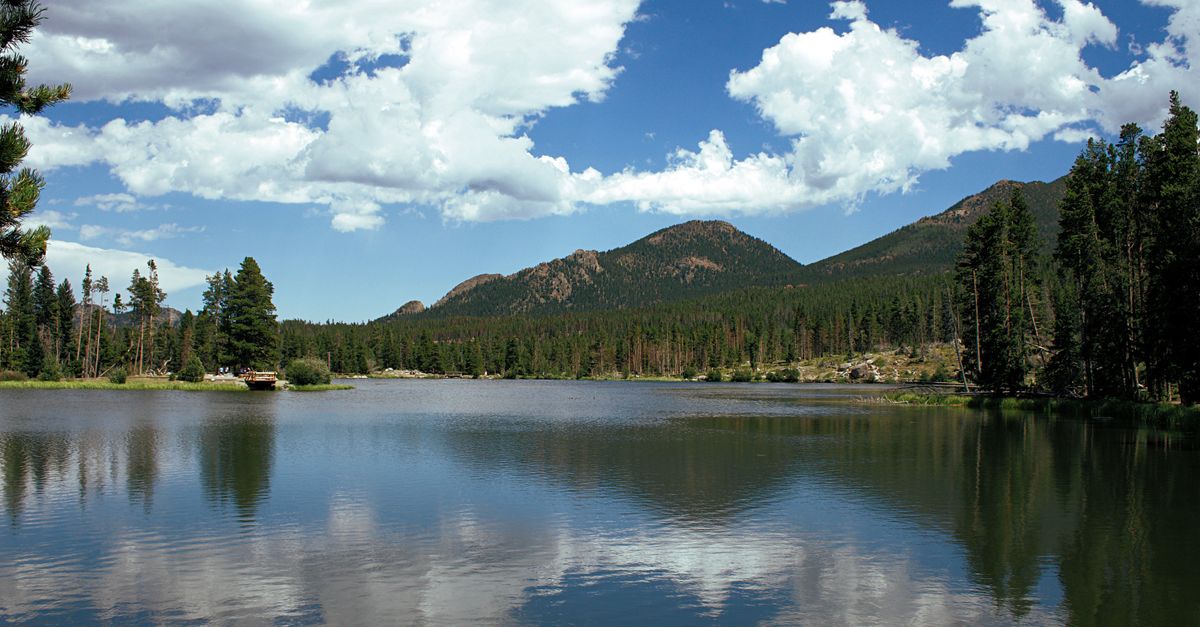
Dark, fragrant woods give a strong sense of seclusion. Trails wind through scenic valleys, and in several spots you’ll find lakes suitable for kayaking.
6. Park with Diverse Wetland Ecosystems
The wetlands attract birders and photographers. Wooden boardwalks let you move safely across the soggy terrain, and evening strolls offer the chance to hear the distinctive sounds of nocturnal inhabitants.
7. Park Where Mountains Meet Lakes
A blend of rugged ridges and crystal‑clear lakes makes this park ideal for mixed activities: hiking, fishing, swimming, and easy cycling.
How to Plan a Trip to These Parks
Choosing the Season
For most parks, the shoulder periods—early spring and late fall—are optimal. Weather is usually mild and crowds are minimal. Summer can be hot in some regions, while winter brings snow and cold that may close certain trails.
Transportation and Accessibility
State parks are often located near small towns, making car travel convenient. If you’re without a vehicle, check for regional bus routes or private shuttles offered by local tourism services.
Gear and Preparation
- Footwear: comfortable hiking boots or trail sneakers with good grip.
- Clothing: layered outfits that can adapt to changing weather.
- Water & Food: many parks have picnic areas, but it’s still wise to carry enough water.
- Navigation: maps, mobile apps, or paper guidebooks, especially if you plan to venture onto less‑marked paths.
Park Etiquette
- Follow signs – they keep you safe and protect the ecosystem.
- Leave no trace – pack out everything you bring in and use designated trash receptacles.
- Respect wildlife – observe from a distance, never feed animals, and stay clear of nests.
What to Expect from Services
Unlike many national parks that feature large visitor centers, restaurants, and souvenir shops, state parks usually provide modest amenities: restrooms, informational boards, and occasionally a small shop with basic supplies. This leaner setup gives the visit a wilder, more authentic feel.
Why Add These Parks to Your Itinerary
- Cost savings – entrance fees are often lower, and sometimes free.
- Uniqueness – each park has its own distinct atmosphere that’s hard to find in the more famous sites.
- Flexibility – fewer time restrictions and the possibility of overnight camping without advance reservations.
- Fewer crowds – the chance to enjoy nature in peace, a huge plus for photographers and outdoor meditators.
Bottom Line
The seven state parks highlighted here prove that the United States hides many hidden gems capable of rivaling famous national parks in beauty and activity variety. When planning your trip, consider the season, pack the right gear, and always follow wilderness etiquette. Doing so will reward you with unforgettable experiences and spectacular scenery—minus the crowds.
Ready to go to United States?
Sign up and find cheap flights right in the chat with our bot.