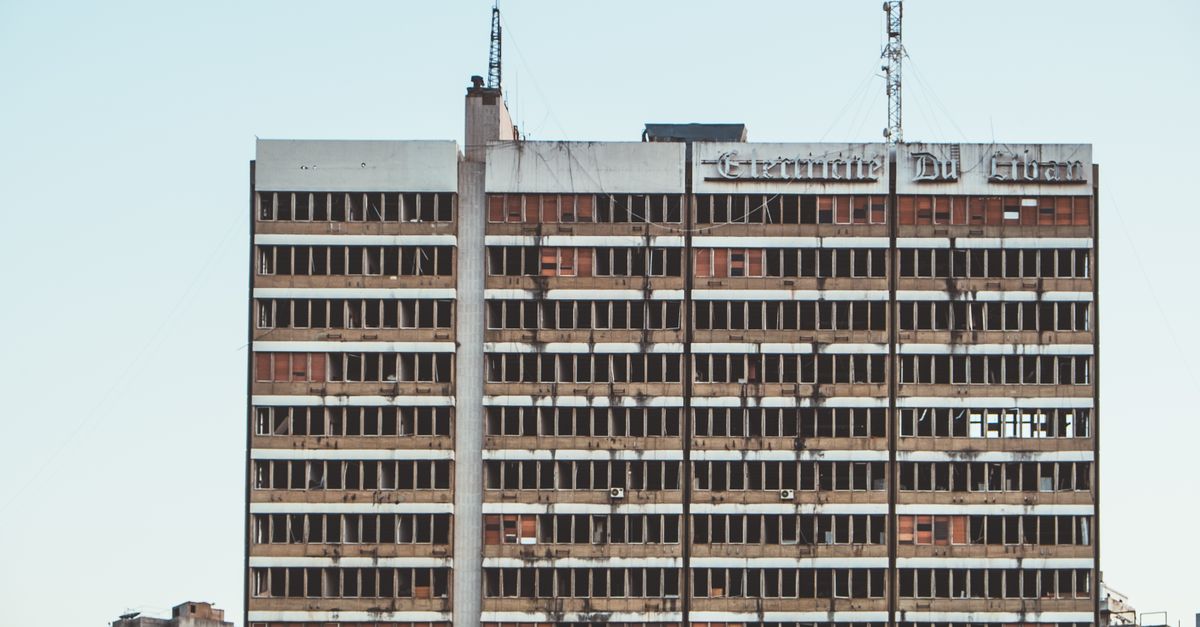
Venezuela after major earthquakes: how travel will change and what tourists should consider
Two powerful tremors at the end of June forced the closure of the main airport in Maiquetía, halted the metro and gas supply in Caracas. Find out what travel risks have emerged and how to move around the country safely.
What happened at the end of June
On the evening of June 24, Venezuela experienced two almost simultaneous earthquakes. According to the USGS, the first shock measured magnitude 7.2 with an epicenter about 160 km west of the capital, Caracas. Less than a minute later a stronger tremor struck, registering magnitude 7.5. Both events caused widespread destruction in the capital and several neighbouring regions.
Preliminary figures indicate at least 32 people were killed and around 700 injured. Dozens of buildings collapsed, rescuers are still clearing rubble and searching for victims. Authorities declared a state of emergency, and acting President Delcy Rodríguez suspended operations at a number of key infrastructure facilities.
How the transport network was affected
Simón Bolívar International Airport in Maiquetía
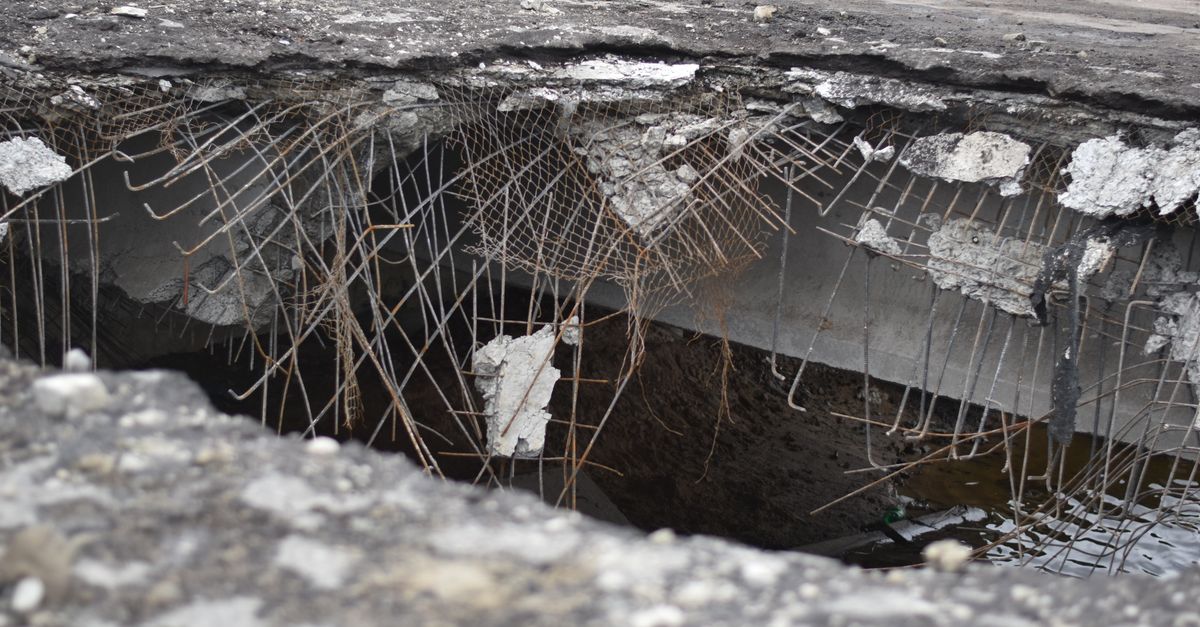
Photo: by Serhii Bondarchuk on Pexels
The main international airport, Simón Bolívar International Airport in Maiquetía, was closed due to damage. This means any flights scheduled through the capital are now in limbo: even if a ticket remains in the system, the actual operation of the flight depends on the restoration of runways, ground handling and airport access.
Metro and railways
Caracas’ metro service has been suspended, and railway connections are also temporarily out of service. This limits movement within the city and between major hubs that normally rely on rail transport.
Gas supply and utilities
The domestic gas distribution system was temporarily shut down, and some municipal services have been halted. As a result, interruptions in heating and hot water may occur, especially during the winter months.
What this means for tourists and business travelers
- Rethink itineraries – any plans that include a flight to or from Maiquetía require an immediate check of the flight status with the airline. If a flight is cancelled, you may need to re‑book through alternative airports, for example in Paraguay or Colombia.
- Limited ground transport – without metro and rail, getting around Caracas and nearby cities (La Guaira, Valencia, the northern coast) will rely solely on cars, taxis or buses, which may face congestion due to damaged roads.
- Risk of aftershocks – strong earthquakes are often followed by aftershocks. Re‑entering buildings with visible cracks without clearance from rescue authorities is unsafe.
- Restricted hotel access – some hotels in the affected zones may be closed or operating on a limited basis. It is advisable to confirm accommodation status in advance.
Practical recommendations for travelers
- Monitor official sources – keep an eye on updates from airlines, consulates and local authorities. Information about airport operations and ground transport is posted on official websites and major news agencies.
- Re‑plan your trip early – if your flight was cancelled, consider shifting the date or rerouting through neighbouring countries, taking any visa requirements into account.
- Avoid damaged structures – stay away from façades, bridges and any objects with visible cracks until rescue teams declare them safe. Do not use elevators whose condition has not been verified.
- Prepare backup communication means – in case mobile networks are disrupted, carry alternative ways to stay in touch (e.g., a satellite messenger).
- Secure disaster‑cover insurance – many insurers offer policies that cover costs related to flight cancellations and emergency evacuations caused by natural hazards.
- Expect limited services – gas outages and possible water interruptions can affect comfort. Stock up on drinking water and, if needed, arrange alternative heating sources.
What to expect in the coming days and weeks
The main question for travelers is when Maiquetía airport will resume operations. Airlines will publish flight‑status updates soon, and local authorities will report on the restoration of ground access to the capital. Damage assessments for the hospitality sector and infrastructure will become clearer as rescue work progresses.
Because Venezuela is under a state of emergency, international aid and political agreements may influence the speed of recovery. While the situation remains uncertain, it is advisable to treat the country as a high‑operational‑risk destination and plan trips with flexibility and the possibility of rapid re‑orientation.
Information is current at the time of publication and may change as events develop.
Based on materials from: trn-news.ru.
Ready to go to Venezuela?
Sign up and find cheap flights right in the chat with our bot.