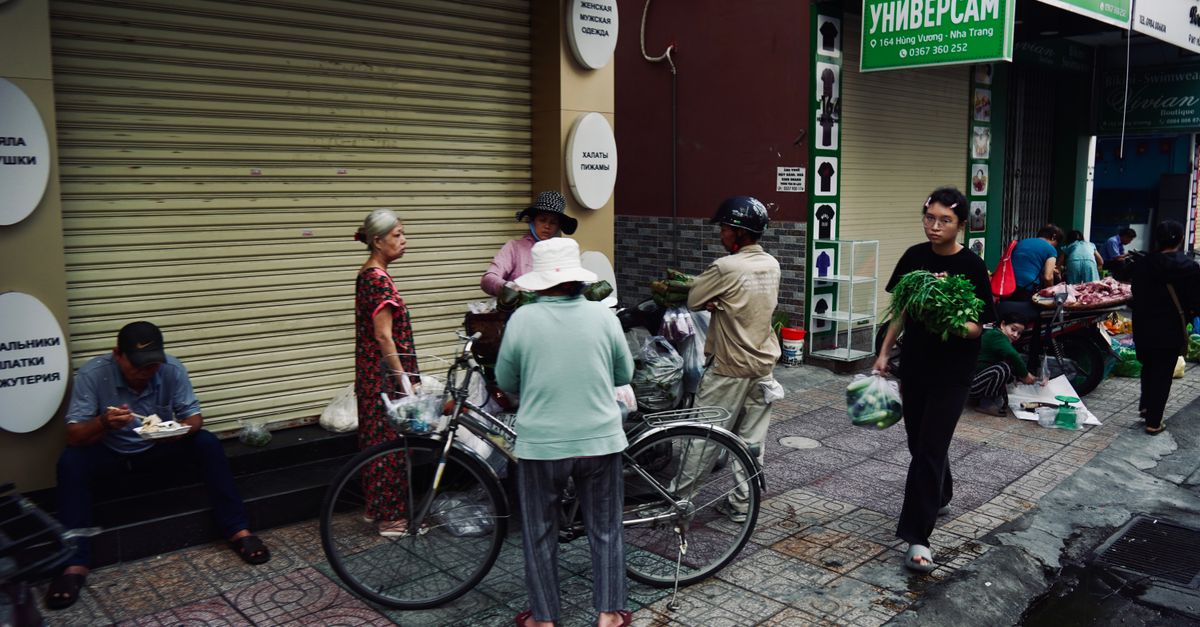
Photo: by Pham Huynh Tuan Vy on Pexels
Exotic fruits of Nha Trang: what to try and how much to cost
At Nha Trang’s markets you can find everything from simple mangoes to rare mangosteens. Learn which fruits are worth trying, how to pick ripe ones and typical October 2026 prices.
What you can buy at Nha Trang market
Nha Trang is known not only for its beaches but also for its vivid fruit bazaars. In October 2026 prices range from a few tens of thousands of dong for a small portion to almost half a kilo for rare fruits. Below is a selection of the most popular items, their taste notes and approximate prices.
Sapodilla (potato)
- Appearance – small brown fruits with a rough skin that looks like a potato.
- Inside – soft, slightly grainy flesh with hints of sweet pear, persimmon and brown sugar.
- Choose fruits that give a gentle give when pressed with a finger; a too‑hard piece will be mealy.
- Price: 20–30 k dong each (about 60–95 RUB).
Sugar‑apple (noyna)
- The fruits are covered with green “scales”, and inside lies white, creamy pulp scented with vanilla and pear.
- Eat with a spoon, discarding the hard black seeds, which are not edible.
- In October two fruits cost about 60 k dong (≈190 RUB).
Mangosteen
- Purple rind hides white segments that look like garlic cloves.
- Taste – delicately sweet‑sour with faint floral notes.
- One kilogram in October was 189 k dong (≈590 RUB), making it one of the priciest fruits.
- To reach the flesh, the rind is cut around the circumference and the top is lifted off.
Guava
- Often served sliced with the skin on, seasoned with salt and chili.
- Flavor is mildly herbaceous, moderately sweet; salt brings out the aroma, chili adds a bite.
- A kilogram in October cost about 70 k dong (≈220 RUB).
Pomelo
- Despite the green skin the fruit can be fully ripe. Inside are pinkish juicy segments, sweet and almost free of grapefruit bitterness.
- Price per kilogram in October was 40–50 k dong (≈125–155 RUB).
- Sold whole or already peeled; a common menu item is pomelo salad with shrimp and a sweet‑sour dressing.
Passion fruit
- The fruits have a slightly wrinkled purple skin, usually a sign of ripeness.
- The pulp with tiny edible seeds is sharply acidic and tropical‑smelling.
- A street‑stall portion can be bought for 20 k dong (≈60 RUB).
Rambutan
- Red or yellowish “balls” are covered with soft hairs, beneath which lies translucent flesh reminiscent of lychee.
- Taste is sweet with a light tang.
- A tray with several fruits cost 30–50 k dong (≈95–155 RUB).
Longan
- Small round fruits with brown skin grow in clusters.
- After peeling you see translucent flesh and a dark seed that looks like a dragon’s eye.
- Sweet, juicy, with faint musky notes.
- Price for a cluster or small tray – 20–30 k dong (≈60–95 RUB).
Dragon fruit (pitaya)
- Pink‑skinned varieties may have white or red flesh; the yellow pitaya with white flesh is considered the sweetest.
- The juice stains hands and clothes – keep that in mind if you plan to eat on the go.
- A kilogram of ordinary pitaya was 35–50 k dong (≈110–155 RUB), the yellow one 65–75 k dong (≈200–235 RUB).
- Sliced red pitaya sold for 45 k dong (≈140 RUB) per tray.
Papaya
- A ripe papaya shows bright orange flesh, tender and sweet; the aroma can be strong.
- In Vietnam it is also eaten unripe, grated and mixed with herbs, seafood or meat, dressed with a piquant sauce.
- A kilogram in October cost about 60 k dong (≈185 RUB), and a half (≈330 g) – 20 k dong (≈60 RUB).
How to pick a ripe fruit
- Texture – most fruits soften as they ripen. A light “give” under your fingers usually signals readiness.
- Smell – fragrant but not overpowering aromas often indicate ripeness.
- Skin – for some fruits (e.g., passion fruit) a slightly wrinkled skin is a good sign; for others (e.g., rambutan) a smooth, not dry surface is preferable.
- Colour – pomelo may stay green even when ripe, so rely on softness and scent rather than hue alone.
Where to buy fruit in Nha Trang
- Street stalls – almost every street in the tourist centre hosts small trays of sliced or whole fruit. Prices are usually listed per kilogram, per piece or per tray, so ask which unit is used.
- Xóm Mới market – a large market frequented by locals. Mornings offer the biggest selection and prices are often lower than on the streets.
- Mini‑markets – these shops often sell ready‑made fruit mixes. Example: 300 g of peeled mango cost 35.7 k dong (≈110 RUB), and a tray of sliced watermelon weighing 485 g was 17 k dong (≈55 RUB). Such packs are convenient but can be pricier than whole fruits.
- Tip for tourists – if a fruit is unfamiliar, ask the seller to show a ripe sample; you can use an online translator if you need clarification.
Practical tips
- When buying pre‑sliced fruit, check how fresh it looks – bright colour and the absence of excess liquid usually mean good quality.
- If you plan to eat on the street, bring napkins – the juice of some fruits (especially pitaya) can leave stains.
- Remember that prices may shift with season and venue, so treat the figures as guidelines rather than fixed numbers.
Starting the day at a fruit market lets you quickly get a feel for local taste traditions without spending much. In Nha Trang everyone will find something they like – from sweet “potato” to tart passion fruit.
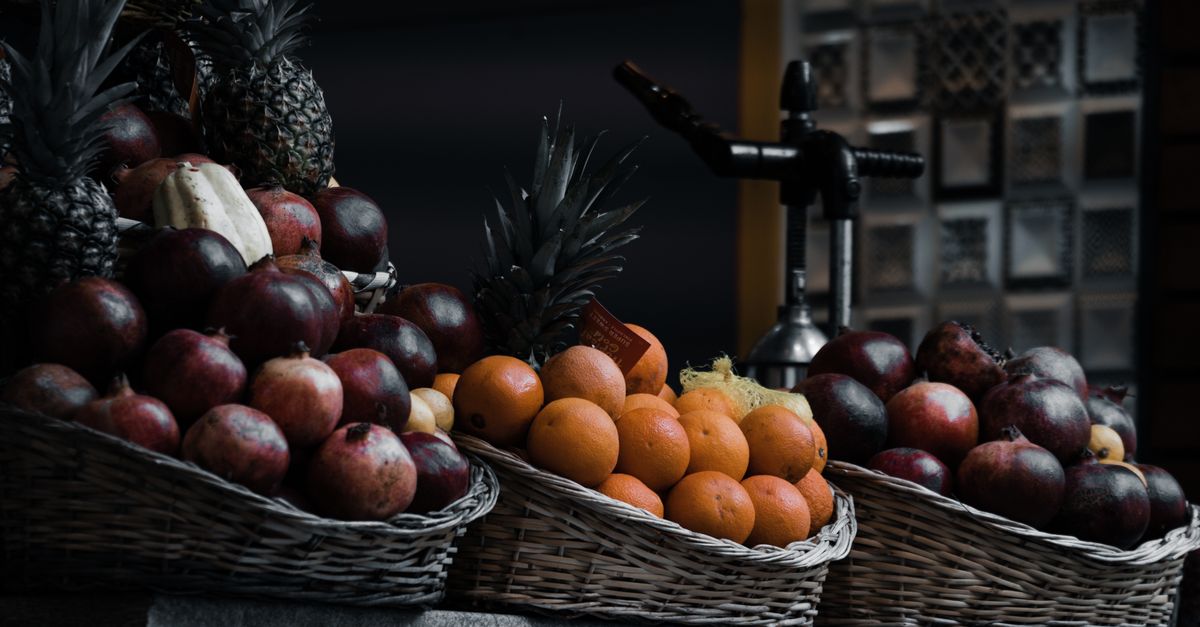
Photo: by Cihat Dede on Pexels
Based on materials from: atorus.ru.
Ready to go to Vietnam?
Sign up and find cheap flights right in the chat with our bot.