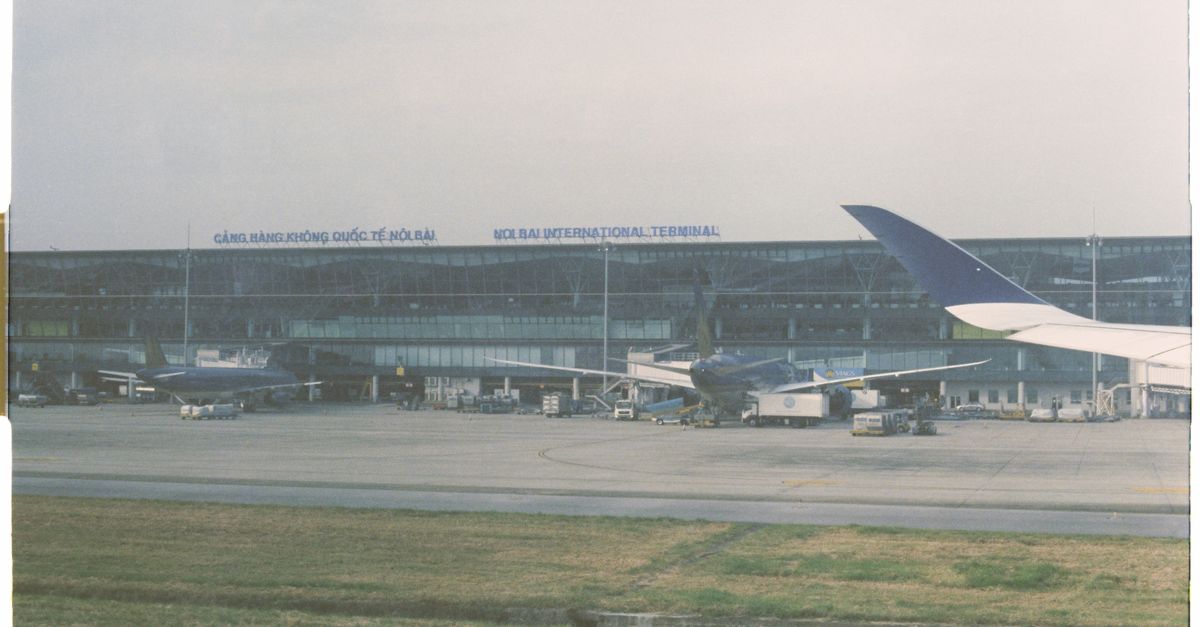
Russia looks to Vietnamese planes via wet lease
In recent talks, Russia offered Hanoi to lease Vietnamese aircraft fleets together with crew, maintenance and insurance. The transport minister said the proposals are under review.
Why Russia turned to Vietnam?
Since the start of the year, Russia has felt a growing need for extra aircraft. Shrinking fleets, a surge in demand for domestic and international flights, and curbs on new deliveries from traditional manufacturers have left a gap the government is trying to fill.
At the same time, Vietnamese airlines keep expanding their fleets, taking delivery of new types and modernising existing ones. That makes them a potential source of machines already suited to a range of climates.
What does “wet” leasing mean?

Photo: by Antoni Shkraba on Pexels
A wet lease means renting an aircraft together with everything needed to fly it – pilots, cabin crew, technical support and insurance policies. By contrast, a dry lease supplies only the airplane, leaving the lessee to provide staff and services. For Russia, the wet option cuts the time needed to get a plane into service and eases the administrative load of hiring and training crews.
How the talks went
During official meetings between Russian and Vietnamese delegations, a formal request was put on the table: Russia proposed to lease Vietnamese aircraft on wet‑lease terms. Transport Minister Andrei Nikitin confirmed the offers have already been sent to the Vietnamese side and are now being examined.
No public source has disclosed details such as the number of aircraft, types or contract length. The expectation is that Vietnam will assess the economic sense and technical compatibility.
What could happen?
If Vietnamese airlines agree, Russian carriers would gain access to additional aircraft that are ready to fly, along with crews familiar with operating in tropical conditions. That could speed up the restoration of schedules hit by the shortage of new planes.
For Vietnam, the deal would turn surplus capacity into revenue and deepen a strategic partnership with a large neighbour.
How this might affect travelers
For passengers planning trips to Russia, the possible arrival of new routes or higher flight frequencies could mean more flexible options and, perhaps, lower fares thanks to added competition.
For those eyeing Vietnam as a destination, the news signals growing international cooperation in aviation, which may eventually improve the country’s infrastructure and services.
What’s next?
Vietnamese airlines are expected to conduct a detailed analysis of the proposals, weighing financial terms, lease periods and technical requirements. After that, official statements about readiness to sign a contract could follow.
No concrete numbers or dates are available yet, but it is already clear that both sides see the exchange as a mutually beneficial move amid a global shortage of aircraft.
If you keep an eye on the aviation market, stay alert: any shift in airline fleets can quickly influence available routes and prices. In the meantime, follow official channels for more detailed updates on how this initiative unfolds.
Based on materials from: frequentflyers.ru.
Ready to go to Vietnam?
Sign up and find cheap flights right in the chat with our bot.