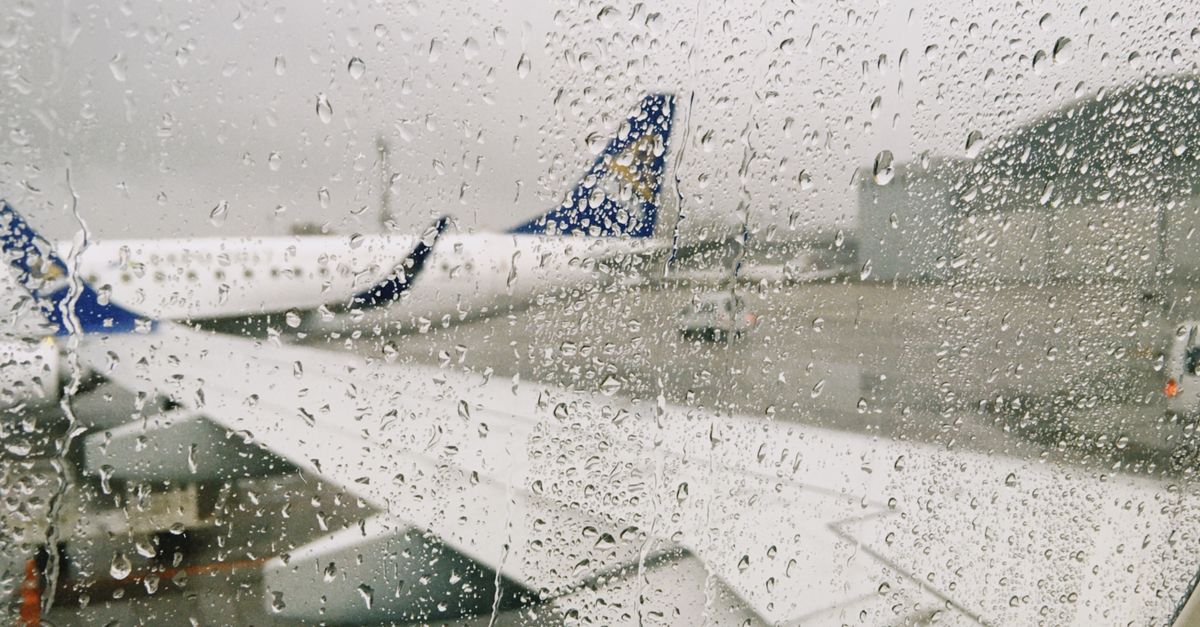
Photo: by Aibek Skakov on Pexels
After Typhoon “Dolphin”: How Weather Shifts Plans in Shanghai and Beijing
Typhoon “Dolphin” left Shanghai with damage and hundreds of flight cancellations, and its remnants dumped heavy rain on Beijing. What travelers need to know to avoid surprises on a China trip.
After the Storm – Recovery in Shanghai
The typhoon dubbed “Dolphin” slammed into China’s east coast early this week. Winds gusted up to about 150 km/h, and torrential downpours flooded streets and shopping districts in Shanghai. The city’s airports had to cancel nearly a thousand flights, cutting capacity by almost a third.
China Eastern announced a step‑by‑step return to its normal timetable, but full recovery will take a few days. For travelers, that means even a confirmed flight should be double‑checked right before departure.
Risk Zone Shifts North
When the storm’s core moved into Zhejiang province, its moist cloud mass kept drifting toward the interior. Consequently, Beijing was placed on a “red” danger level – the second tier – signalling heightened flood risk, especially in the mountains surrounding the capital.
The mix of cold northern air and lingering typhoon rain intensified the downpours. Tianjin and Hebei province also faced heavy showers, with some forecasts calling for up to twenty centimeters of rain. That much water can trigger flash floods and hamper ground transport.
What This Means for Travelers
Flight Checks and Flexible Plans
If your itinerary goes through Shanghai or Beijing, brace for possible delays and cancellations. The safest bet is to check your flight status a few hours before take‑off and keep a time buffer for rebooking.
Rebooking and Refunds
When a flight is cancelled, passengers are entitled to a ticket refund or a free rebooking onto another flight. Most Russian tour operators will help you find an alternative leg and, if needed, arrange temporary accommodation.
Getting Around Within the Cities
In Beijing and Tianjin, heavy rain may cause interruptions to the metro, buses and taxis. Build extra hours into your moves between sights, especially if your schedule includes trips to mountainous areas where flood risk is higher.
Visa Rules and Rising Tourist Flow
Russians can now visit China visa‑free, which has spurred a sharp jump in tourist numbers. That makes any hiccup in the transport network feel especially acute – more people are competing for hotel rooms and alternative flights.
How to Prepare for a Trip in Bad Weather
- Watch the forecast – official meteorological services and airport websites refresh their data every few hours.
- Keep your tour operator’s contacts handy – they can quickly suggest relocation or lodging options if trouble arises.
- Pack the essentials – waterproof clothing, sturdy shoes and a small first‑aid kit will get you through a rainy day without extra hassle.
- Plan alternate routes – if a mountain excursion looks likely to be closed, discuss possible substitutes with your guide ahead of time.
Bottom Line
Typhoon “Dolphin” left damage in Shanghai and pushed the threat northward, where Beijing and neighboring regions faced heavy downpours. For travelers, the key is staying flexible, checking flight status regularly and leaning on your tour operator’s support. With the right approach, even in wet weather you can spend time in China comfortably and safely.
Based on materials from: trn-news.ru.
Ready to go to China?
Sign up and find cheap flights right in the chat with our bot.