Photo: by Michael Giugliano on Pexels
Top 5 Must‑See Attractions in Rome
Discover Rome's top five iconic sights—from the Colosseum and Vatican to the Pantheon, Trevi Fountain, and Spanish Steps—plus practical tips for your visit.
Rome – a city where every stone holds history and every corner breathes art. Whether you’re planning a short trip or just want to refresh your knowledge of Italy’s capital, below are the five most iconic sites you should add to your itinerary. They work for a first encounter as well as for a repeat visit, because each time something new reveals itself.
1. Colosseum – the Arena of Ancient Gladiators
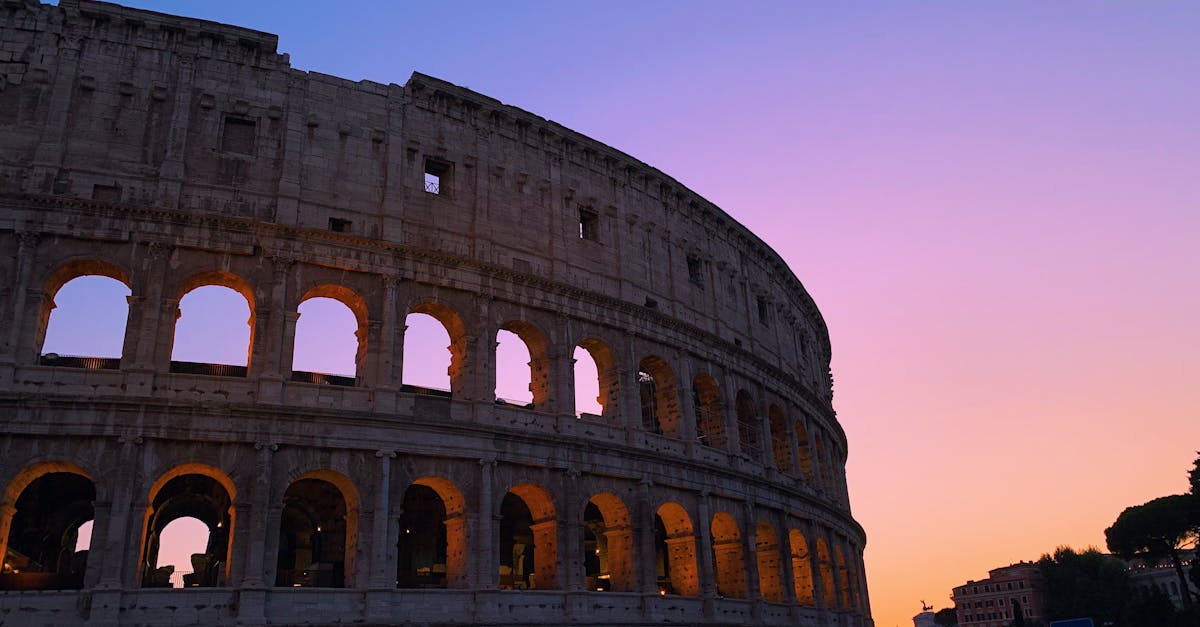
The Colosseum is the largest amphitheater of the ancient world and a symbol of the Roman Empire’s power. Its massive arches and underground levels let you imagine how spectators once watched battles and spectacles. Today you can walk through several levels, see a reconstruction of the subterranean chambers, and feel the scale of the shows that took place here. It’s advisable to rent an audio guide that explains construction details and historical context without the need to memorize dates.
What to See
- The exterior façade with its characteristic arches.
- The interior galleries where animal cages and fighter cells once stood.
- Panoramic views of the city centre from the upper levels (available in the summer season).
Practical Tip
Visit the Colosseum in the early morning, before the crowds fill the area. This will give you a better chance to notice details and take calmer photographs.
2. Vatican City – the Spiritual Center of the World
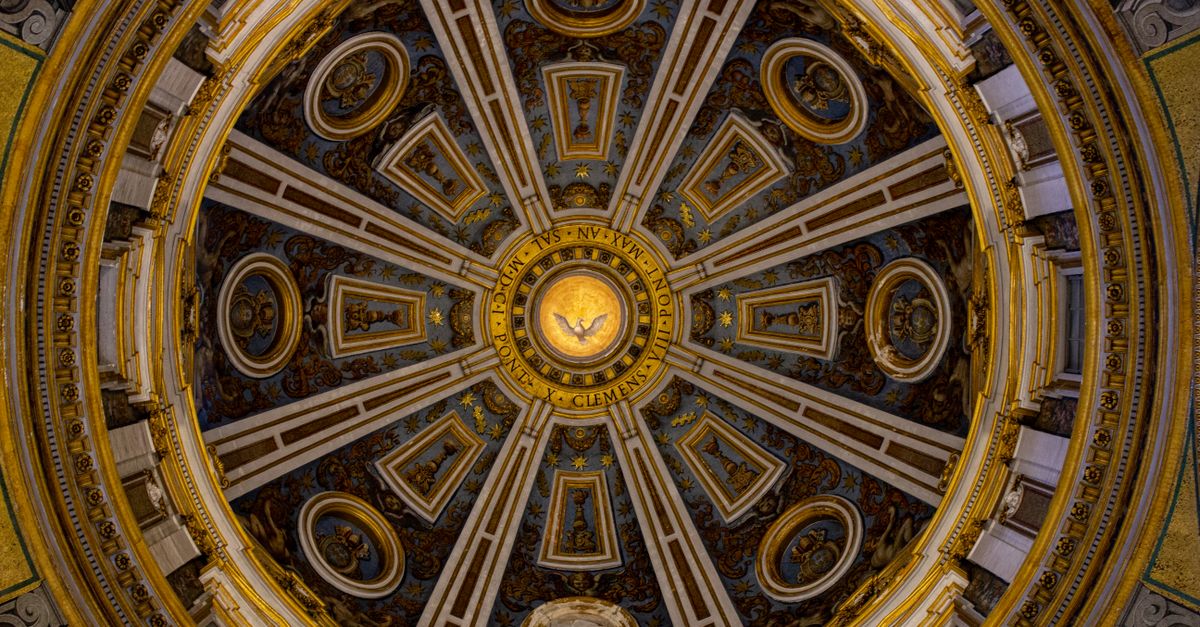
Photo: by Jorge Urosa on Pexels
Vatican City is a tiny sovereign state completely surrounded by Rome, home to some of the world’s most valuable works of art. The main attractions are St. Peter’s Basilica and the Sistine Chapel with Michelangelo’s frescoes. Inside the basilica you can see a grand altar, marble columns, and the famous “Papal Tomb” housing St. Peter’s burial site.
What to See
- St. Peter’s Basilica with its enormous dome offering a view over the city.
- The Sistine Chapel, home to the renowned frescoes The Creation of Adam and The Last Judgment.
- The Vatican Museums, which house sculptures, paintings, and ancient artifacts.
Practical Tip
Book a ticket for the Sistine Chapel online in advance to avoid long queues. Dress modestly, as religious sites enforce a dress code.
3. Pantheon – Ancient Temple Turned Church
The Pantheon is one of the best‑preserved monuments of ancient Roman architecture. Its huge dome, built without modern technology, still amazes engineers and tourists alike. Inside lies the burial place of several notable figures, including the artist Raphael.
What to See
- The majestic façade with columns and a granite portico.
- The open‑rim dome with a central oculus that lets in natural light.
- The interior, where light plays on marble floors and walls, creating a unique atmosphere.
Practical Tip
The Pantheon is open almost year‑round, and entry is usually free. However, on public holidays access can be limited, so plan your visit ahead.
4. Trevi Fountain – Where Wishes Come True
The Trevi Fountain is Rome’s largest Baroque fountain, famous for its dramatic composition of sculpture, water, and light. Tradition says tourists toss a coin over their shoulder, wishing to return to the city. The fountain is especially beautiful in the evening, when illumination highlights its details.
What to See
- The central statue of the sea god supported by marine creatures.
- Complex cascades of water that create a soothing soundscape.
- The surrounding piazza, often filled with street musicians.
Practical Tip
If you want a photo without crowds, arrive early in the morning or late at night when tourist traffic eases. Don’t forget a small coin for the traditional toss.
5. Spanish Steps – the Hub of Fashion and Romance
The Spanish Steps connect Piazza di Spagna with the Trinità dei Monti, forming a lively centre where models, artists, and casual walkers gather. At the top sits the Trinità, while at the base you’ll find the famous Barcaccia Fountain.
What to See
- Wide marble steps that are perfect for sitting and people‑watching.
- The fountain at the base, a popular backdrop for photo shoots.
- Nearby streets lined with boutiques and cafés, ideal for a break after strolling.
Practical Tip
The best time to visit is late evening, when the steps are illuminated and the atmosphere feels more intimate. If you want to catch a fashion show, keep an eye on local media announcements, as occasional open‑air events are held here.
How to Plan a Day to See Everything?
If your time is limited, try grouping nearby attractions. For example, the Pantheon and Trevi Fountain are within a short walk of each other, and the Spanish Steps connect easily via the central streets. The Colosseum and Vatican City are in different parts of town, so allocate separate half‑days for them, allowing for travel time.
General Recommendations
- Dress comfortably: Rome involves a lot of walking, and streets can be uneven.
- Carry a water bottle, especially in warm weather.
- Use public transport or walk; most sights are in the central zone where car traffic can be congested.
Rome is a city where each visit uncovers new details. We hope our list helps you see the highlights and feel the unique atmosphere of the Eternal City.
Ready to go to Italy?
Sign up and find cheap flights right in the chat with our bot.