Photo: by Sinitta Leunen on Pexels
Venice: What to See and How to Spend Time in the City of Water
Practical guide to Venice: main attractions, tips on getting around and ideas for an unforgettable stay in the unique city of northern Italy.
Introduction
Venice is one of the most recognizable cities in the world, located in the northern part of Italy on the Adriatic Sea lagoon. The city is built on more than a hundred small islands, linked by a network of canals and bridges. It is this unique water infrastructure that makes Venice special, and its historic heritage attracts millions of tourists each year.
How to get to Venice
The most convenient way to reach Venice is to fly into Marco Polo International Airport, which lies a few kilometres from the historic centre. From the airport to the central districts you can take a water taxi, a bus or a train; the journey usually takes about 30–45 minutes depending on the chosen transport.
Main districts and their character
- Historic centre — here are concentrated the main sights such as St. Mark’s Square, the Doge’s Palace and the main commercial bridge. The streets are narrow and traffic is limited to gondolas and vaporetto.
- Lagoon islands — these include the famous ceramic and glass centres as well as quieter rural settlements where you can see the traditional Venetian way of life.
- Neighbourhoods outside the centre — locals live in these areas, there are fewer tourists and the atmosphere is more relaxed. It’s a good place to look for authentic cafés and small shops.
Must‑see attractions
St. Mark’s Square
The heart of Venice, home to St. Mark’s Basilica with its mosaics and campanile, as well as the famous Campanile. The square often hosts concerts and public events.
Doge’s Palace (Palazzo Ducale)
Located next to the square, the palace is a masterpiece of Venetian Gothic. Inside you can see luxurious rooms, art collections and the famous Bridge of Sighs that connects the palace with the prison.
Grand Canal
The main waterway stretching from St. Mark’s Square to the San Tommaso district. Vaporetto, gondolas and private boats run along the canal. A walk along the canal lets you admire a variety of building façades, from Gothic palaces to modest residential blocks.
Rialto Bridge
The oldest bridge over the Grand Canal, linking the two banks of the commercial district. From its upper walkway you get a good view of the canal and the surrounding buildings.
Islands of Murano, Burano and Torcello
- Murano is famous for its glass‑making tradition; you can watch glass being blown and buy handcrafted pieces.
- Burano is renowned for its brightly coloured fishermen’s houses and lace craft.
- Torcello is the oldest of Venice’s islands, where ruins of early Christian churches and archaeological sites are preserved.
Getting around the city
There are no roads for cars in Venice, so water transport is the main way to get around. Several options exist:
- Vaporetto — public water buses that connect the main islands and districts. Tickets can be bought at machines or ticket offices, and travel cards help you save if you use them frequently.
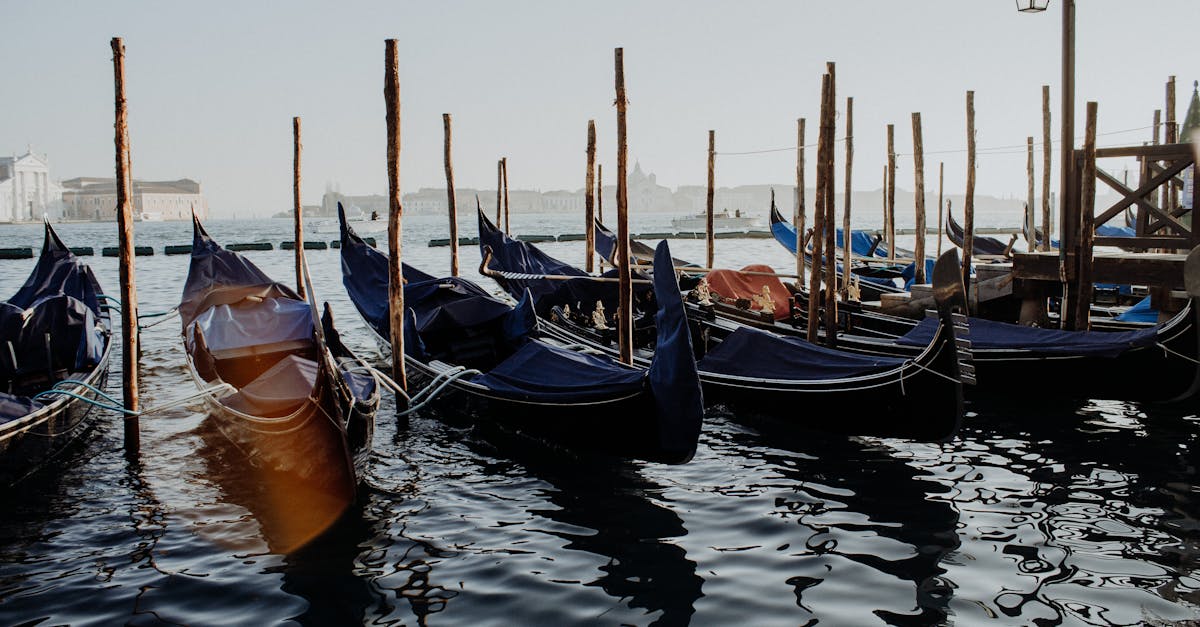
- Gondolas — a traditional way of moving, more expensive and mainly intended for romantic rides. Be sure to confirm the duration and price in advance.
- Water taxis — a faster and more flexible option that takes you directly to your destination without stops, but the price is higher than the vaporetto.
- Walking — in the central districts most attractions are within a short walk, so strolling through narrow lanes and over bridges is an excellent way to feel the city’s atmosphere.
Practical tips for travelers
- Choose the right time to visit: early morning and late evening are usually less crowded, and the light at those times is especially beautiful for photos.
- Dress for the weather: in summer Venice can be hot and humid, so light clothing and comfortable shoes are advisable. In autumn and winter the weather can be cool and rainy, so bring waterproof clothing.
- Watch your belongings: in crowded places, especially squares and on public transport, keep an eye on your personal items.
- Respect the locals: in some residential neighbourhoods noise may be considered a disturbance, so try to stay calm, especially in the evening.
- Plan your routes ahead: although the vaporetto covers most of the city, some islands require separate lines. Water‑transport maps are usually available at tourist information centres.
Where to eat and relax without over‑the‑top recommendations
Venice has many traditional trattorias serving seafood, pasta and regional wines. In the central districts you’ll often find restaurants with terraces that overlook the canals. For a light snack, small cafés offering coffee, pastries and fresh juices are ideal. If you want a quiet break, look for cozy spots away from the main tourist routes where you can simply sit and watch city life.
Conclusion
Venice is not only an open‑air museum, but also a living city where tradition intertwines with modern life. When planning your trip, take the specifics of water transport into account, choose the right time for popular sites and remember simple rules of respect for the locals. This approach will let you get the most out of the unique city on water and leave you with vivid, and most importantly, authentic memories.
Ready to go to Italy?
Sign up and find cheap flights right in the chat with our bot.