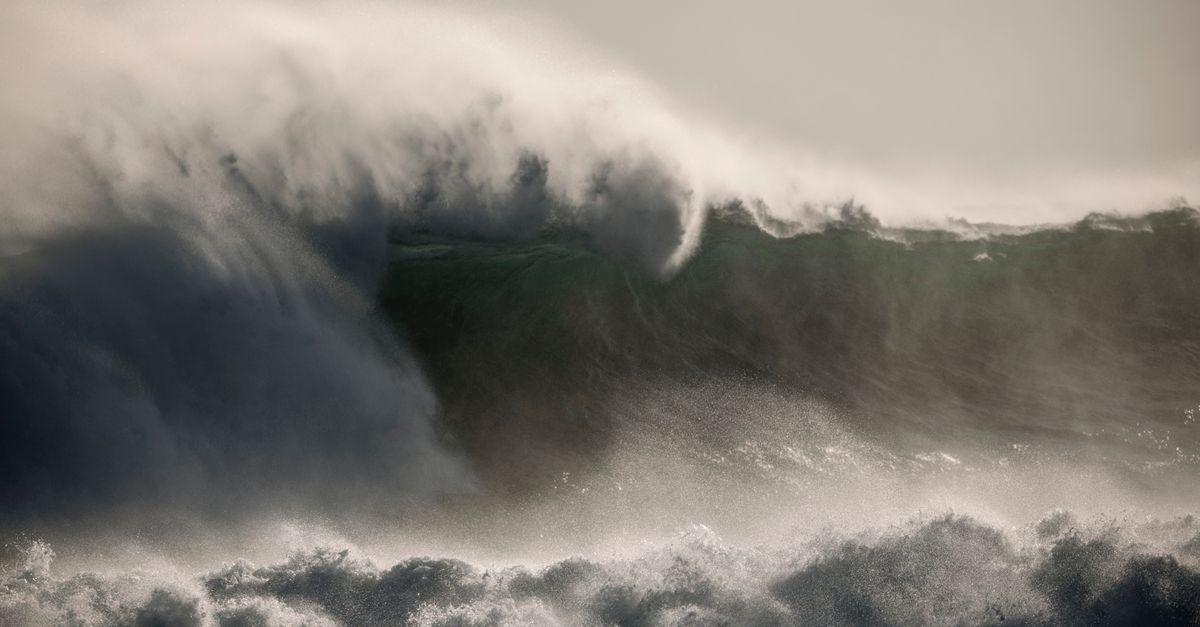
Photo: by 정규송 Nui MALAMA on Pexels
How to act in Japan during an earthquake and tsunami warning: practical tips
On July 28 a magnitude 7.1 quake struck Kyushu, followed by a tsunami alert of about one metre. Find out what precautions tourists in Japan’s coastal areas should take.
What happened and why it matters
On July 28 a strong underground jolt was recorded in Kumamoto Prefecture on the southern island of Kyushu, with a preliminary magnitude of 7.1. The tremor hit in the late afternoon local time, the epicentre lying roughly 10 km beneath the seabed. On the Japanese Shindo intensity scale the quake earned the top, seventh level – the highest rating for surface impact.
Almost immediately after the seismic event the Japan Meteorological Agency (JMA) issued a tsunami warning for waves about a metre high. The alert covered the coastal zones of the Ariake and Yatsushiro seas, and emergency signals were sent to families and tourists in seven Kyushu prefectures: Kumamoto, Nagasaki, Kagoshima, Fukuoka, Saga, Oita and Miyazaki.
Japan and seismicity: why such events are common
The country sits in the so‑called Pacific Ring of Fire, where several tectonic plates collide. About a fifth of all magnitude‑6‑plus quakes worldwide occur here. Small tremors are recorded in Japan every few minutes, so both the population and the infrastructure are used to rapid responses.
Early‑warning system: how it works
Japanese authorities have built one of the most advanced alert networks. When a strong shake is detected, sensors pick up the ground motion and automatic messages are pushed to mobile phones, TV sets and loudspeakers. The text usually tells you where to go and gives an estimate of when the first wave might arrive.
For tourists this means that even if you don’t speak Japanese you’ll still get a clear signal – often just the words “Evacuate” or “Tsunami”. So keep your phone on, and don’t mute it while you’re in a coastal area.
What to do if you hear the alarm
- Don’t waste a second – leave the beach, promenade or any low‑lying spot right away. The safest height is at least 5‑10 m above sea level.
- Head for higher ground – a hill, a park, a building with an external staircase. If there’s no natural rise nearby, look for the tallest building that isn’t in a collapse‑risk zone.
- Don’t go back to the water – even if the first wave was small, later ones can be much larger. Wait for the official all‑clear.
- Watch official sources – in Japan tsunami information appears on screens in public transport, in news apps and via radio broadcasts.
How to behave on public transport
If you’re on a train, subway or bus, listen to staff announcements. During a quake trains usually stop automatically and doors may stay open so passengers can get out quickly. Don’t try to step onto the platform if a tsunami signal sounds – follow the signs to the station exit that leads to higher ground.
Be ready for possible outages
Energy companies in the region say nuclear plants are fine, but minor power cuts can happen. Pack spare batteries, a flashlight and, if you can, a small first‑aid kit. It’s also wise to carry a copy of your passport and the emergency numbers (110 for police, 119 for rescue services).
If you’re staying in a hotel or rented accommodation
Most Japanese hotels have alert systems and multilingual instructions. When the signal sounds, follow staff directions – they normally evacuate guests to designated safe zones. If you’re in a private apartment, learn in advance where the stairs and exit routes are.
After the first wave: what’s next
Once the initial wave passes, authorities keep monitoring. Expect additional waves for several hours. Don’t rush back to the beach until the warning is officially lifted. In some cases movement in coastal zones may be restricted – watch the signs and media reports.
Psychological side: stay calm
For most visitors such events are stressful. Japanese people are trained to keep their cool, and the alert system is designed to curb panic. Breathe steadily, keep your phone’s notifications on and remember that most alerts are preventive, not reactive.
Quick checklist for travelers
- Keep your phone on and the volume up.
- Memorise the local emergency numbers.
- Know where the nearest high points are.
- Store a digital copy of your passport and important documents.
- When you hear “Evacuate”, leave low‑lying areas immediately.
- Wait for the official all‑clear, even if the first wave was modest.
Bottom line
Seismic activity is part of daily life in Japan, but the country has built effective protection mechanisms. For tourists the key is simple: don’t ignore the signals, move quickly to safe spots and obey local instructions. Follow these basics and the risk to your health and safety stays low, leaving you with pleasant memories rather than a drama.
Based on materials from: trn-news.ru.
Ready to fly to Japan?
Sign up and find cheap flights right in the chat with our bot.