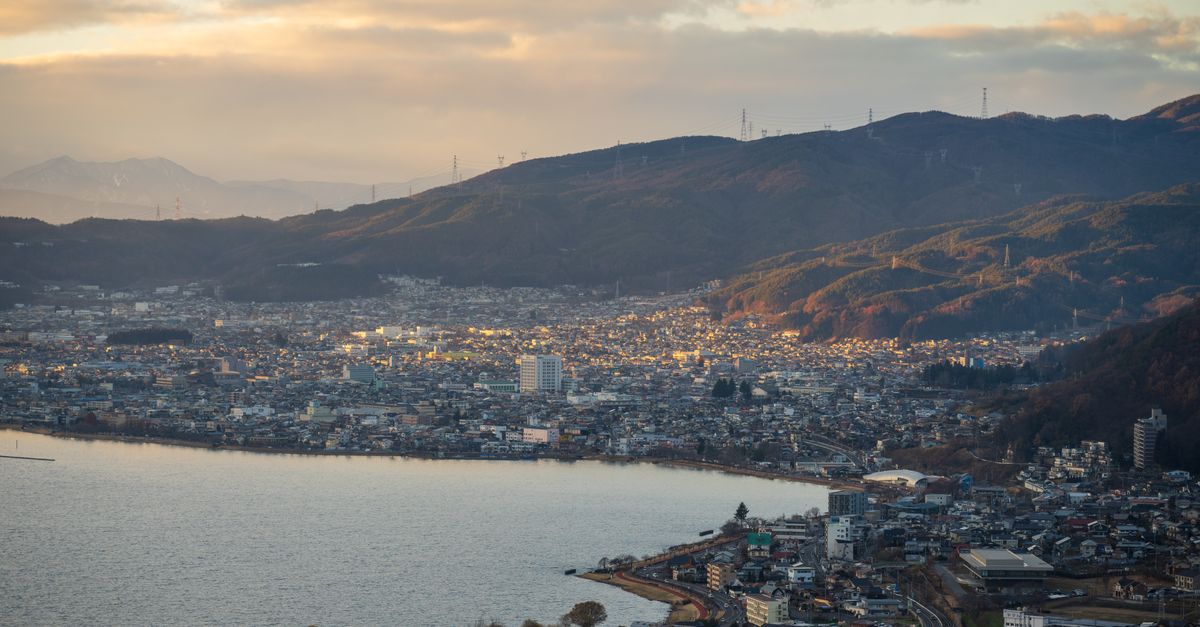
Photo: by Guohua Song on Pexels
Strong earthquake in northeastern Japan: impact on Russian tourists
A powerful magnitude‑around‑7.2 earthquake struck northeastern Japan. According to tour operators, Russian travelers were unharmed and main routes remain open.
What happened in northeastern Japan?
Earlier this week a strong seismic event was recorded in the coastal areas of Iwate Prefecture. According to the Japan Meteorological Agency, the magnitude was about 7.2, while the initial estimate from the U.S. Geological Survey was slightly lower – around 6.9. The epicentre was off the east coast, and the tremors were felt in several northern regions of the country. A tsunami warning was issued immediately after the quake, but it was lifted shortly thereafter.
How did tour operators react?
For the tourism market the main concern is whether routes and guest safety are affected. Information from Russian tour operators indicates that no complaints have been received from travelers currently in Japan. Organized groups are continuing their itineraries as planned, and there are no reports of injured Russian tourists. A temporary suspension of Shinkansen services on northeastern lines was only for infrastructure checks; service resumed once the inspections were completed.
Impact on popular routes
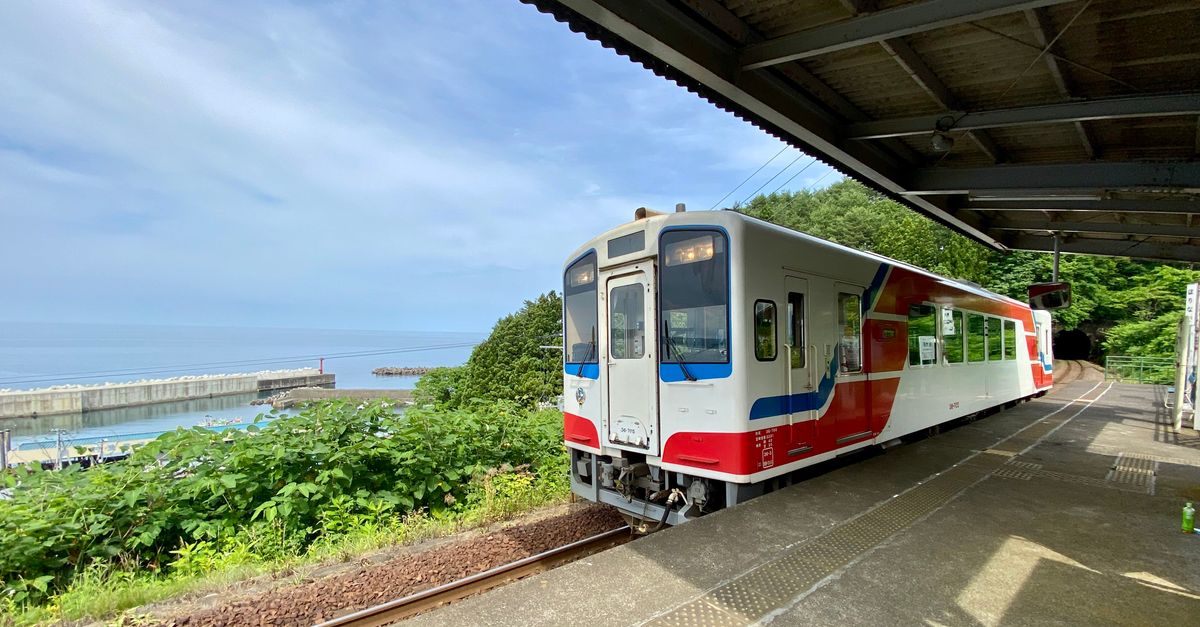
Photo: by Natsuko Aoyama on Pexels
The northeastern region is not among the most frequently visited spots for Russian tourists. The core programmes usually cover Tokyo, Kyoto, Osaka, Nara, Hakone, Mt. Fuji and the island of Hokkaido. Therefore, even with a strong shock in Iwate, most itineraries that run through central and southern Japan remain unchanged.
What could change?
- Transport – inspection of railway lines and airports in the epicentre area; minor delays may occur if needed.
- Local excursions – some small tours in the northeastern prefectures could be temporarily halted.
- Notifications – heightened attention to messages from hotels, guides and local services.
Practical recommendations for travelers
- Monitor official channels – Japanese authorities publish seismic updates quickly. Subscribe to alerts from your tour operator and your hotel.
- Check train schedules – if routes are altered, Shinkansen operators post the latest information on their websites and mobile apps.
- Stay in touch with your guide – in a group, your guide will be the first source of up‑to‑date instructions.
- Do not ignore local warnings – even if your itinerary does not pass through the affected area, general safety advice can be useful.
- Be prepared for slight delays – infrastructure checks may cause minor timetable adjustments; this is normal.
Tourism trends in Japan
Despite occasional seismic events, Japan remains one of the fastest‑growing destinations for Russian visitors. According to the Japan National Tourism Organization (JNTO), almost 195 000 Russians visited the country in 2025 – almost double the figure from the previous year. The growth is driven by pent‑up demand, the desire to see cherry blossoms, autumn maples and New Year celebrations, as well as a greater willingness to tackle more challenging routes.
What to do if you are already in Japan?
- Keep communication with your host – hotel, tour operator, guide.
- Regularly check official railway and airport websites.
- Follow basic safety rules: have the emergency number handy, know the nearest shelters and obey local authorities' instructions.
Bottom line
The strong quake in Iwate did not cause serious disruptions to the tourism infrastructure and did not affect Russian travelers. Main routes across Japan continue to operate normally, and tour operators are closely monitoring the situation and informing clients of any changes. For those planning a trip, the key is to stay informed about local notices and follow basic precautionary measures.
Based on materials from: trn-news.ru.
Ready to go to Japan?
Sign up and find cheap flights right in the chat with our bot.