Mauritania: desert mysteries, ancient cities and a nearly tranquil coast
Mauritania draws travelers with its rare UNESCO ancient towns, endless deserts and the enigmatic “Eye of the Sahara”, yet it remains one of Africa’s least‑visited countries.
Why Mauritania stays in tourists' shadow
Many travelers steer clear of this country: the infrastructure is modest and major tourist routes are almost non‑existent. Still, that very "emptiness" gives a sense of untouched wilderness – you can find spots where human traces are barely visible and nature runs its own course.
What’s worth seeing
Ancient towns protected by UNESCO
Mauritania shelters several towns that have become symbols of Islamic architectural heritage. Their narrow lanes, mud‑brick houses and centuries‑old mosques seem frozen in time. Strolling through these settlements feels like stepping into a medieval North‑African storybook.
The “Eye of the Sahara” – a mysterious circular crater
Out in the desert lies a massive geological feature known as the Richat Structure or the “Eye of the Sahara”. From above it appears as an almost perfect ring surrounded by concentric circles. The site attracts not only geologists but also photographers hunting for unusual landscapes.
Coastal fishing villages
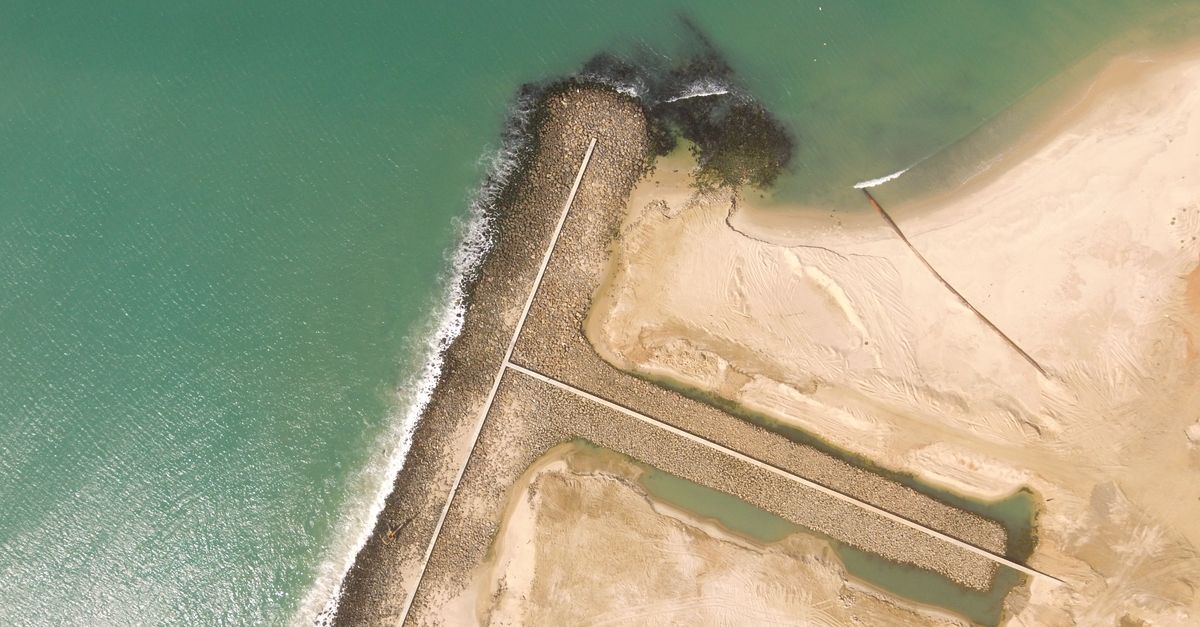
The quiet Atlantic shoreline of Mauritania is dotted with small settlements where hundreds of tiny boats head out to sea each day. Here you can watch traditional fishing methods, hear elders recount old sea routes and, if luck is on your side, taste freshly caught fish in local eateries.
How to prepare for the trip
- Season: aim for a period when desert heat is milder and the coast isn’t too windy. That usually means the gap between the end of the dry season and the start of the heavier rains.
- Transport: between major points you’ll mainly travel by road – buses or hired 4×4s. Roads in desert zones can be sandy, so choose a reliable vehicle.
- Safety: some regions call for extra caution, especially the remote desert stretches. It’s wiser to travel in a group or with a local guide.
- Visa and paperwork: most visitors receive a visa on arrival, but double‑check the latest requirements at the consulate.
- Communication: mobile coverage reaches the main towns, but the signal can disappear in the desert. Pack spare batteries and paper maps.
What to expect from the locals
Mauritanians are known for their hospitality. Even with modest tourism numbers, they are often eager to share stories about their culture, traditions and daily life. Respect local customs, especially in religious sites, and you’ll be met with genuine warmth.
Bottom line
Mauritania offers a chance to see Africa without the usual tourist clichés: ancient towns where time seems paused, desert landscapes that put nature’s scale into perspective, and quiet fishing villages where life moves at its own measured rhythm. If you enjoy journeys where each step reveals something new, this country deserves a look.
Based on materials from: atorus.ru.
Ready to fly to Mauritania?
Sign up and find cheap flights right in the chat with our bot.