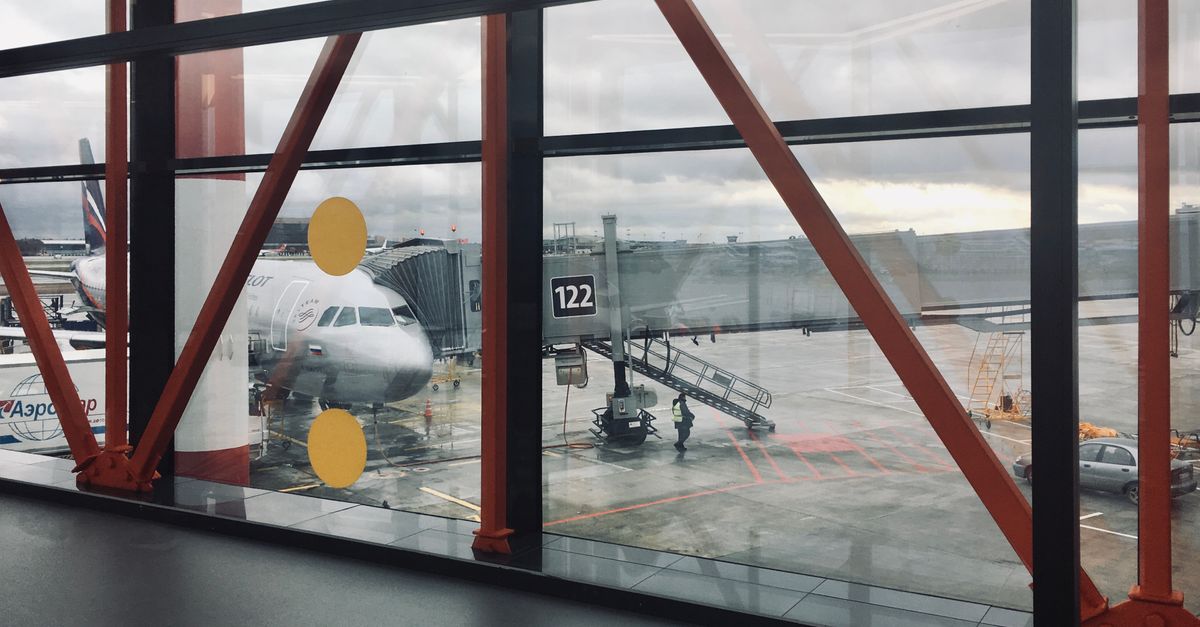
Photo: by Daniel Ponomarev on Pexels
How Delays, Tech, and Ancillary Services Are Changing Flights in Russia
In 2026 the number of long‑duration flight delays in Russia doubled, and airlines are turning to AI tools and extra services to keep schedules and boost revenue.
Growth of Long Delays
Since the start of 2026, stats show flights delayed more than two hours are twice as common as in the same period last year. At the same time only every second aircraft actually departs on time. That creates noticeable discomfort for passengers and adds pressure on airport operations.
Technological response to the chaos
One way to fight the mass disruptions has been to embed AI agents into flight‑planning systems. Boeing, through its Jeppesen ForeFlight unit, added a set of intelligent assistants to the Airflow platform. Their tasks include:
- quickly rebuilding the schedule after a cancellation or delay;
- reallocating crews while respecting availability and regulatory limits;
- optimizing costs linked to resource re‑routing.
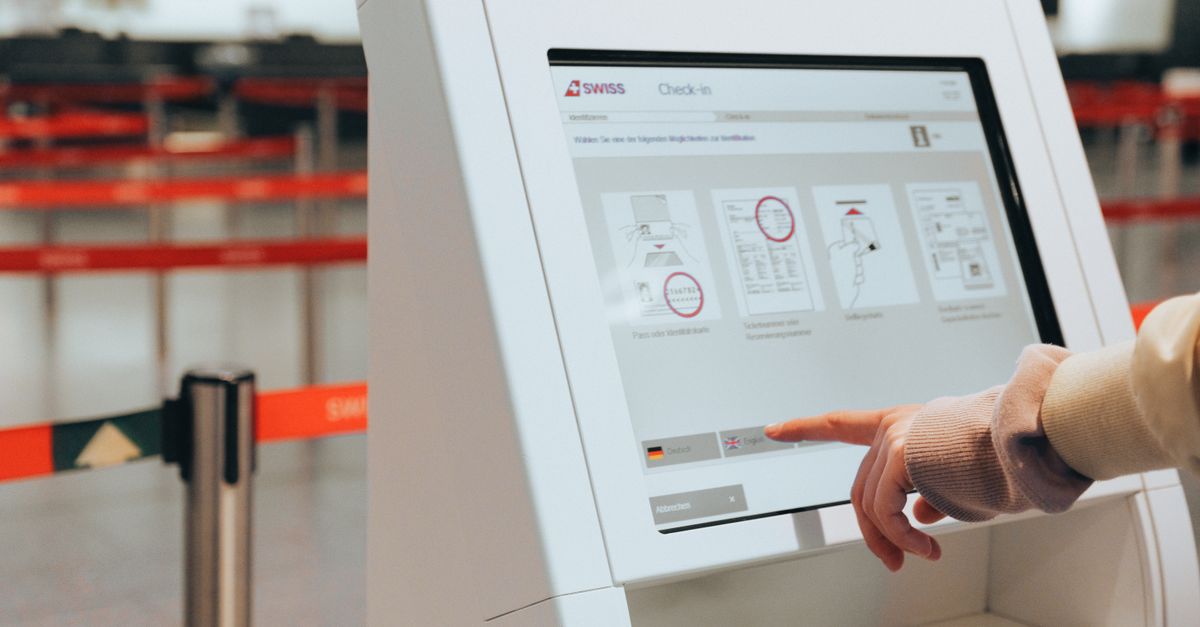
Photo: by Anna Shvets on Pexels
The first three agents have already been tested at a handful of airlines, where they proved they can cut idle time and reduce cascade delays. Their rollout is still limited, but the early results show automated tools can speed up reactions to unexpected events.
Ancillary services as a new revenue source
Alongside the tech upgrades, carriers are squeezing more money out of services that aren’t tied directly to the ticket. According to the Yearbook of Ancillary Revenue by IdeaWorksCompany, most major airlines (over half of the 58 studied) see ancillary income climbing. The most popular add‑ons are:
- paid baggage and seat selection;
- priority boarding and fast‑track security;
- onboard meals sold separately from the base fare;
- paid Wi‑Fi and other digital services.
These options let airlines offset part of the losses caused by delays and lower their reliance on the base fare. For travelers it means the price of a flight becomes more flexible: you can pay only for the services you actually need.
What this means for travelers
The mix of rising delays, AI tools, and expanding ancillaries is shaping a new reality for Russian air travel. On the one hand, automation helps restore schedules faster, potentially shortening the fallout from large‑scale hiccups. On the other, the growing menu of paid extras makes the ticket price less predictable.
If you’re planning a trip, keep a few practical tips in mind:
- check your flight status right before departure; airline apps and tracking services often refresh in real time;
- if you value a guaranteed seat, consider buying a priority seat or fast‑track security;
- on long flights, decide ahead of time whether you’ll need paid Wi‑Fi, so you don’t get surprised by extra charges in the air.
Outlook
Should the current trends continue, we can expect AI to play an even bigger role in schedule management. Systems that can forecast possible disruptions and automatically suggest alternatives may become industry standard. At the same time, competition over ancillary services will intensify, likely spawning new options and more flexible pricing.
For passengers the key is to stay informed and use the planning tools at hand. When every second flight might stray from the timetable, a proactive approach to flight preparation becomes not just advice but a necessity.
Based on materials from: frequentflyers.ru.
Ready to go to Russia?
Sign up and find cheap flights right in the chat with our bot.